Standalone nutritional supplement

A standalone nutritional supplement is a formulated food product designed to provide balanced nutrition in a convenient, often liquid or powder form. It typically contains a blend of proteins, carbohydrates, fats, vitamins, and minerals, and is widely used in clinical, sports, or dietary management contexts. Its origins are in modern nutritional science, with products like Ensure or Boost being common examples.
🍽️ Nutrition at a glance
It is generally balanced in macronutrients, offering a moderate amount of protein and carbohydrates with controlled fat content. Key nutrients include a comprehensive mix of vitamins and minerals, with a rough calorie ballpark of 200-300 kcal per serving.
Nutrition breakdown
| Calories | 250 kcal |
| Protein | 16 g |
| Carbs | 33 g |
| Fat | 7 g |
| Fiber | 3 g |
| Sugar | 14 g |
| Sodium | 350 mg |
| Vitamin A | 300 mcg |
| Vitamin C | 60 mg |
| Calcium | 350 mg |
| Iron | 4 mg |
| Potassium | 450 mg |
| Vitamin D | 5 mcg |
| Vitamin B12 | 1.5 mcg |
| Zinc | 4 mg |
Per 1 bottle (237 mL) · estimated, varies by recipe
💡 What's interesting
These supplements are unique for their role in medical nutrition therapy, helping individuals meet dietary needs when whole food intake is insufficient. They are often fortified with specific nutrients to support recovery, weight management, or athletic performance.
🍽️ Related dishes
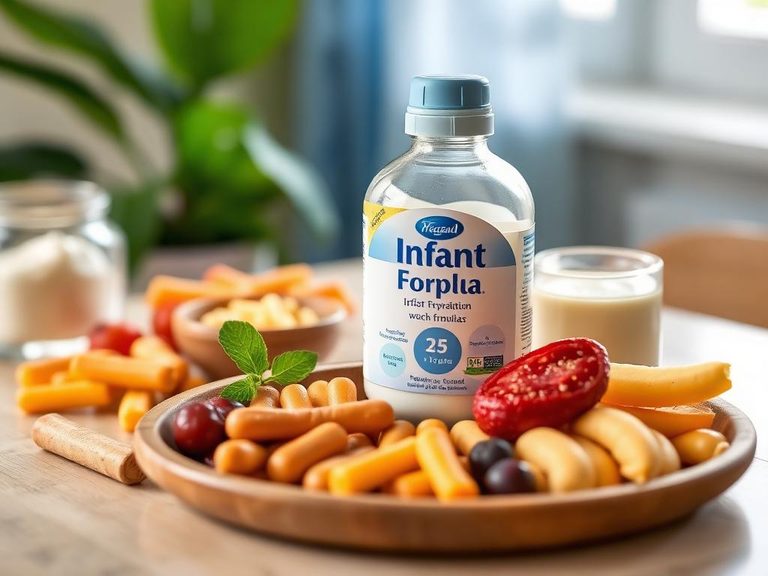 Infant formula and nutritional supplements
 Nutritional supplements and meal replacements
 Nutritional supplements and meal replacement drinks
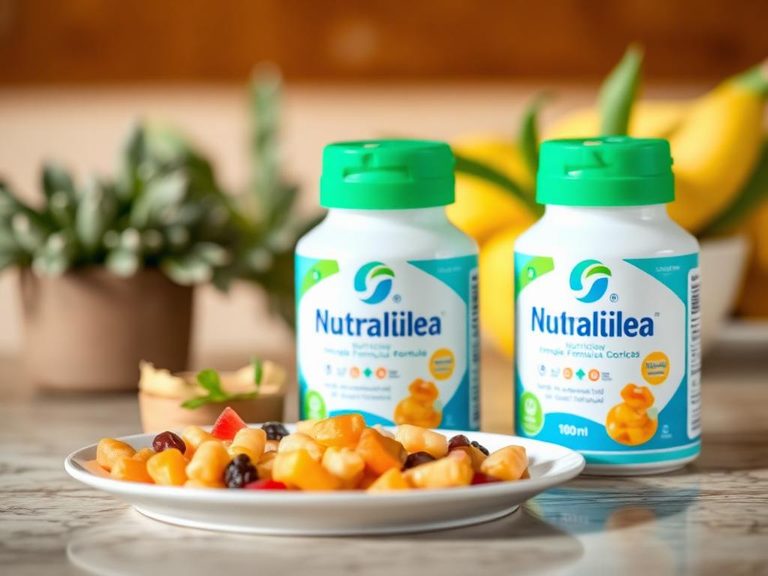 Nutritional Supplement in Infant Formulas
 Nutritional supplement in purees
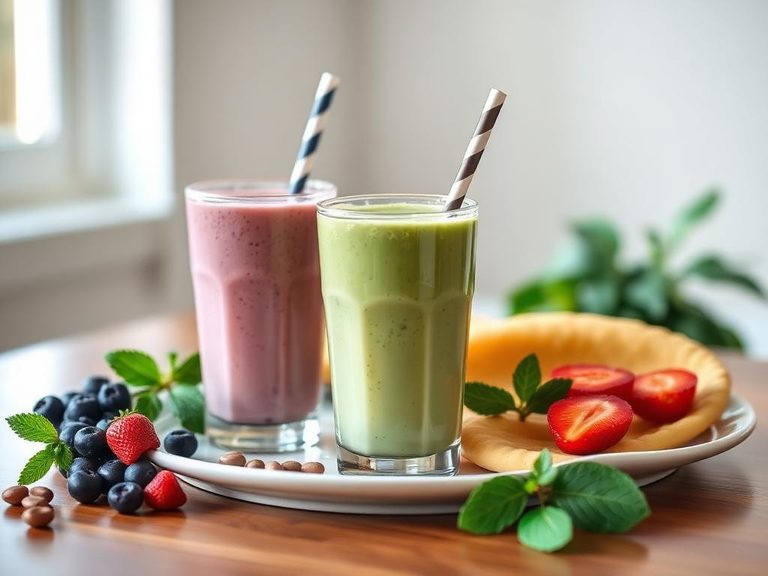 Nutritional supplement shakes
 Base for high-protein nutritional supplements
 Post-Discharge Nutritional Support