

Standalone infant feeding
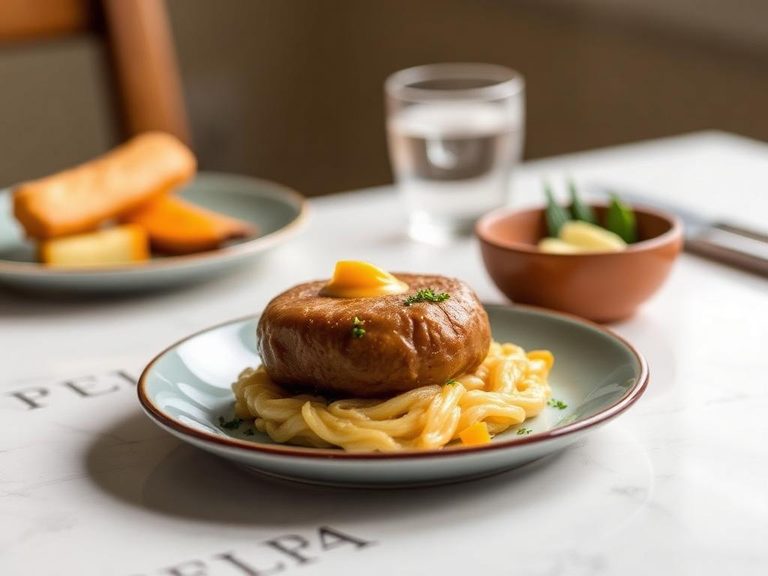
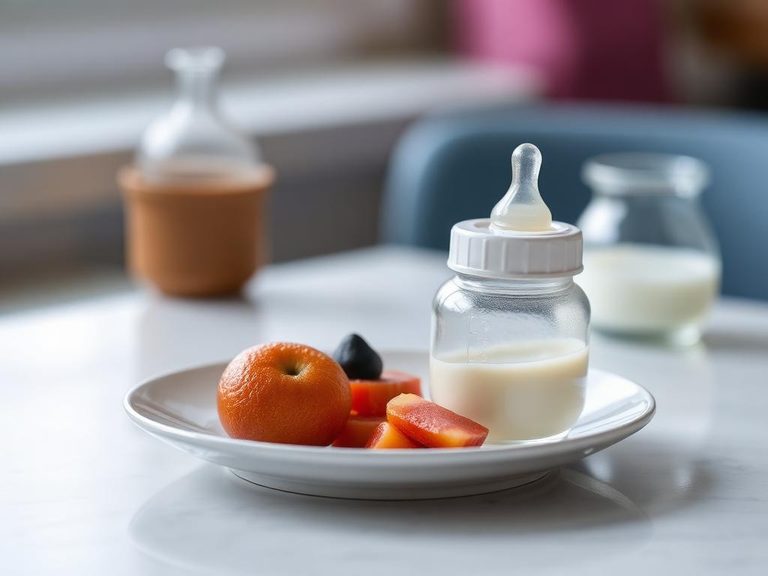
Standalone infant feeding refers to the practice of providing a baby with a complete, balanced meal in a single serving, often using fortified baby cereals or purees. These meals typically include a mix of grains like rice or oatmeal, along with added vitamins and minerals, and are designed to be a convenient, all-in-one nutrition source for infants. Originating from modern baby food practices, it is widely used in many countries to support a baby's transition to solid foods.
🍽️ Nutrition at a glance
This dish is generally high in carbohydrates from grains, with moderate fat and protein, and is fortified with essential nutrients like iron, zinc, and vitamins. A typical serving contains around 100-150 calories, making it a calorie-dense option for growing infants.
Nutrition breakdown
| Calories | 80 kcal |
| Protein | 2 g |
| Carbs | 11 g |
| Fat | 3.5 g |
| Fiber | 0 g |
| Sugar | 11 g |
| Sodium | 30 mg |
| Calcium | 100 mg |
| Iron | 1.8 mg |
| Vitamin A | 60 µg |
| Vitamin C | 12 mg |
| Vitamin D | 1.0 µg |
| Vitamin E | 1.5 mg |
| Potassium | 120 mg |
| Phosphorus | 60 mg |
Per 1 bottle (120 mL) · estimated, varies by recipe
💡 What's interesting
What makes standalone infant feeding unique is its focus on convenience and nutritional completeness, often tailored to meet the specific developmental needs of babies. Culturally, it reflects the growing trend of ready-to-eat baby foods that simplify feeding for busy parents while ensuring balanced nutrition.
🍽️ Related dishes
AI estimate may be inaccurate · Terms