Sports Drink
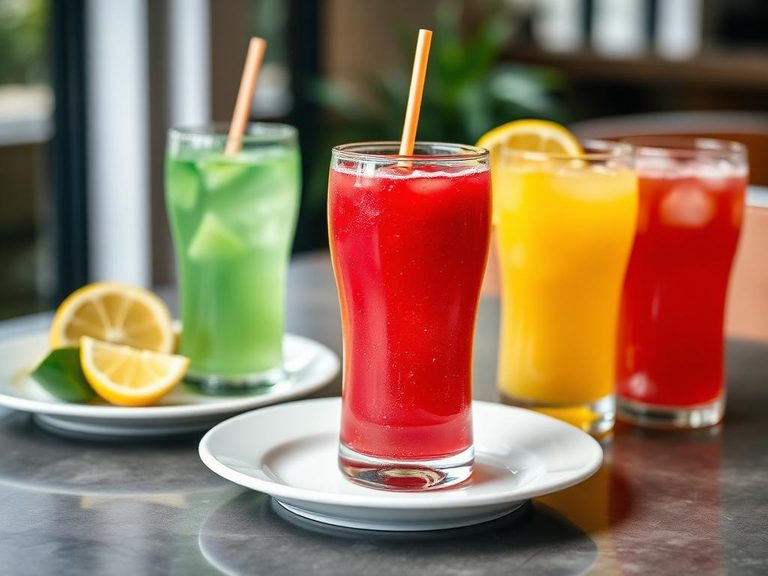
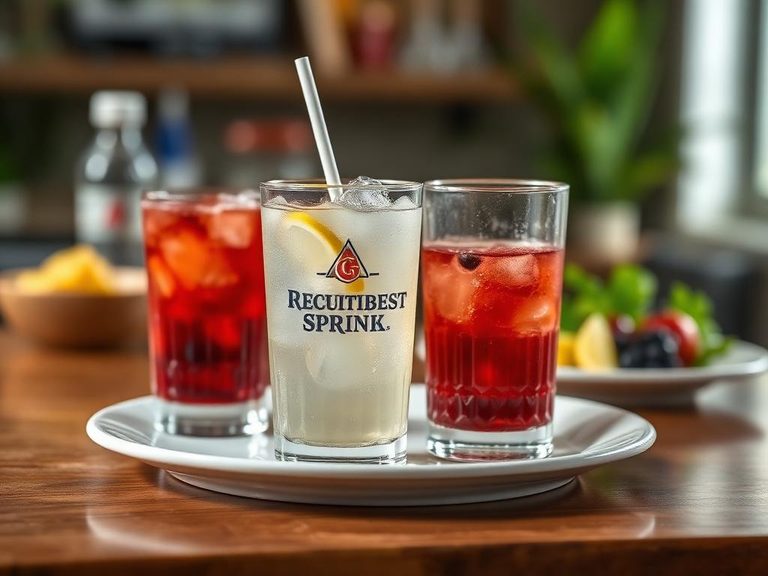
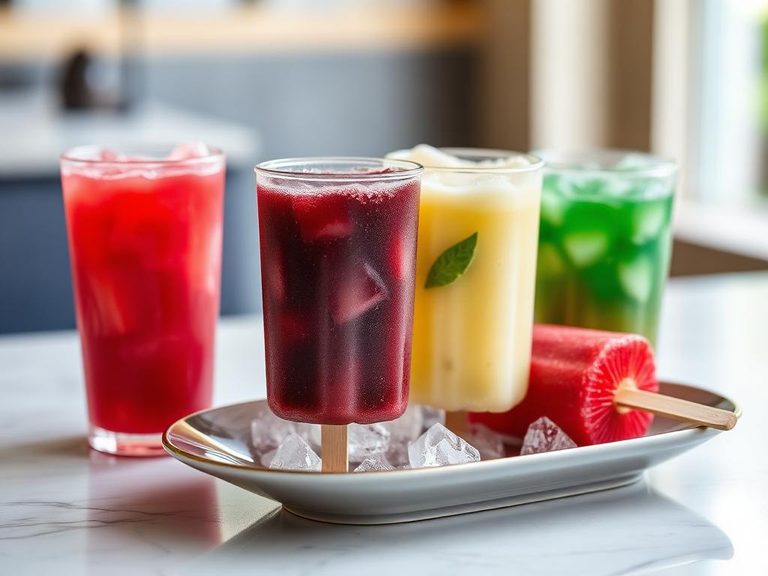
A sports drink is a flavored, electrolyte-enhanced beverage designed to rehydrate and replenish the body during or after intense physical activity. Its typical ingredients include water, sugars like high-fructose corn syrup or sucrose, electrolytes such as sodium and potassium, and artificial colors and flavors. Originating in the United States in the mid-20th century, it was developed for athletes to combat dehydration and fatigue.
🍽️ Nutrition at a glance
Sports drinks are high in carbohydrates from added sugars, providing a quick source of energy, while containing negligible fat and protein. Key nutrients include electrolytes like sodium and potassium to support fluid balance, with a standard 20-ounce bottle containing around 140 calories.
Nutrition breakdown
| Calories | 140 kcal |
| Protein | 0 g |
| Carbs | 36 g |
| Fat | 0 g |
| Fiber | 0 g |
| Sugar | 34 g |
| Sodium | 270 mg |
| Potassium | 75 mg |
| Magnesium | 0 mg |
| Calcium | 0 mg |
| Vitamin C | 0 mg |
| Vitamin B6 | 0.2 mg |
| Vitamin B12 | 0.3 mcg |
| Niacin (B3) | 1 mg |
| Pantothenic Acid (B5) | 0.5 mg |
Per 1 bottle (591 g) · estimated, varies by recipe
💡 What's interesting
Culturally, sports drinks have transcended athletics to become a popular everyday beverage, often marketed for general hydration and recovery. Nutritionally, their formulation is based on scientific principles to mimic the body's sweat composition, making them a targeted tool for fluid and electrolyte replacement.