Specialized baking for infant consumption
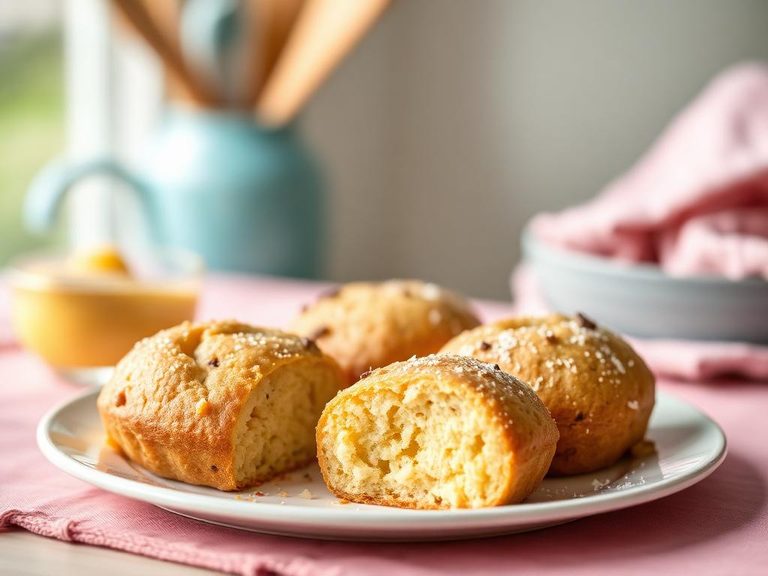
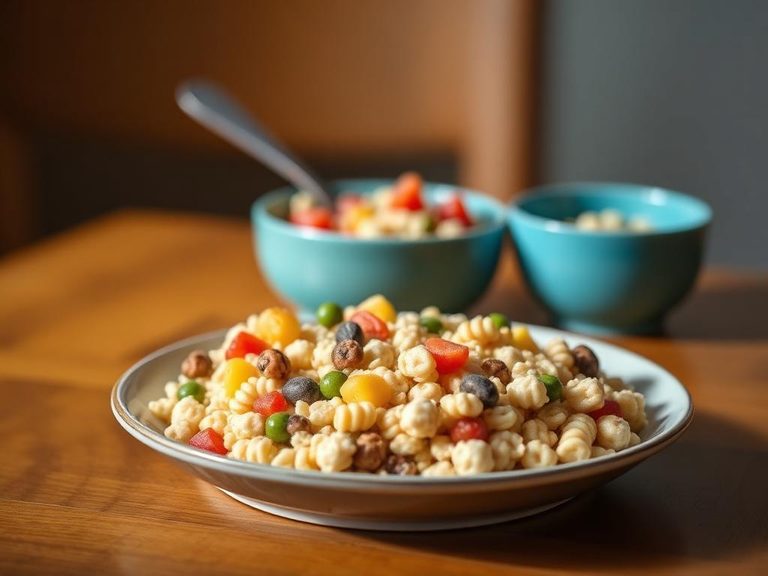
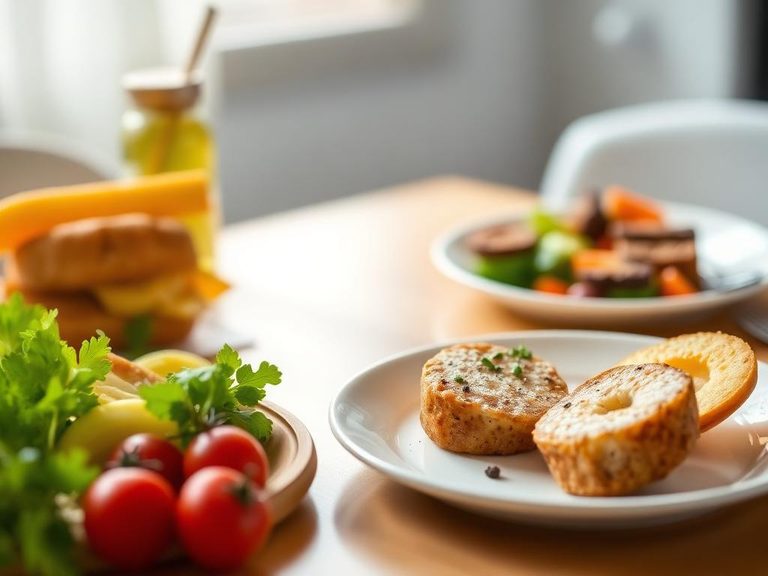
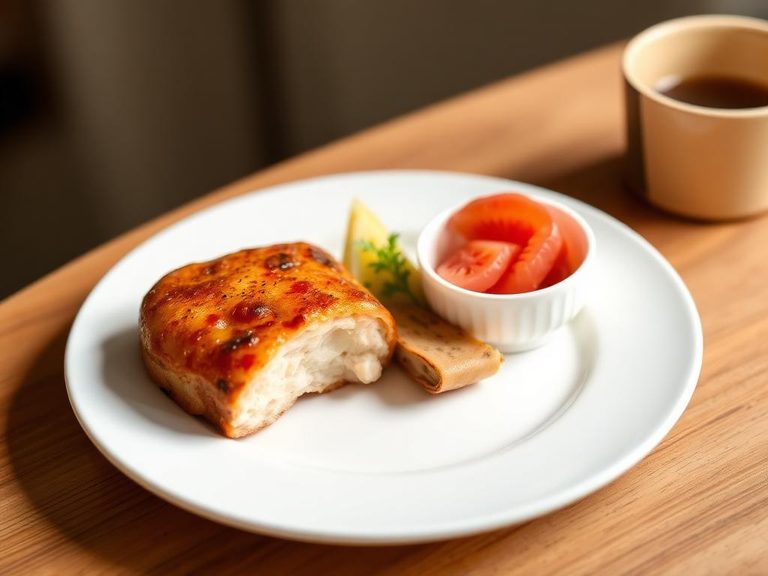
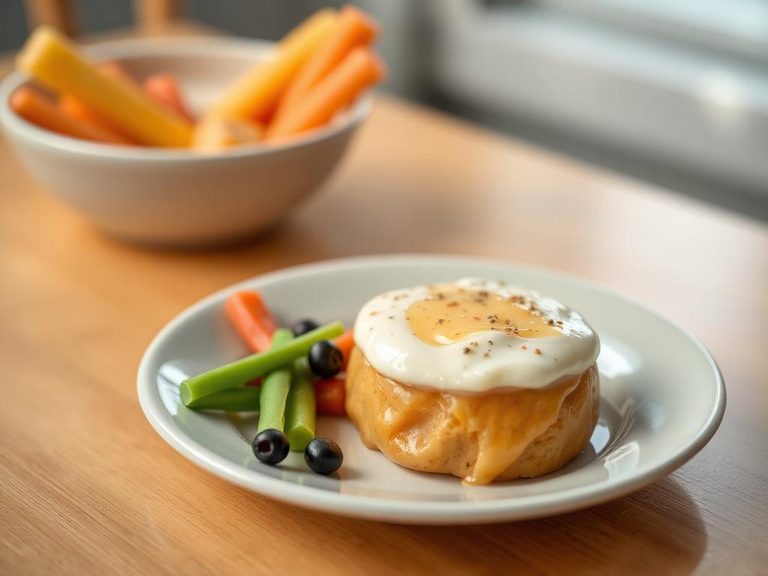
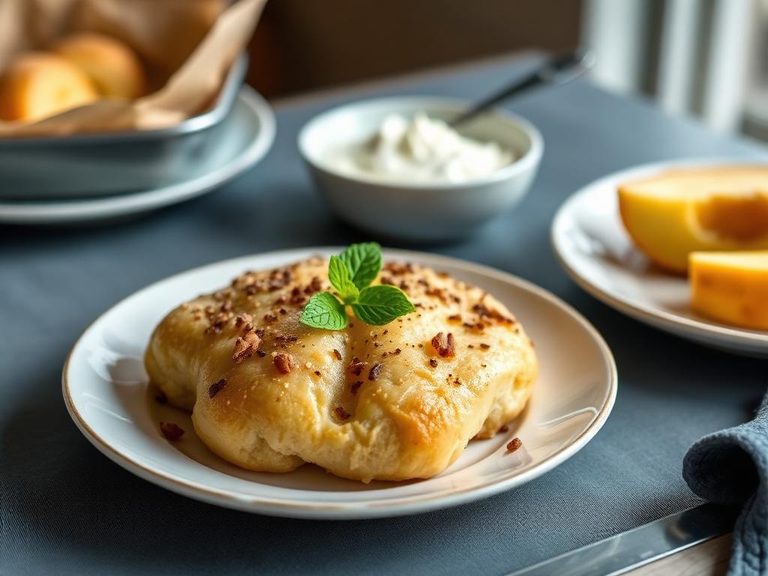
Specialized baking for infant consumption refers to homemade or commercial baked goods specifically formulated for babies and toddlers, typically around 6-12 months old. These are soft, easily dissolvable foods like teething biscuits, mini muffins, or puffs, made from simple, nutrient-dense ingredients such as whole grain flours, fruits, vegetables, and healthy fats. The practice is common in many cultures, with variations like European rusks or Asian rice-based snacks.
🍽️ Nutrition at a glance
These baked goods are generally balanced but often higher in carbohydrates for energy, with moderate protein and healthy fats for growth. They are designed to be nutrient-rich, providing essential vitamins and minerals like iron, calcium, and B vitamins, with a typical serving ranging from 50 to 150 calories.
Nutrition breakdown
| Calories | 110 kcal |
| Protein | 3 g |
| Carbs | 18 g |
| Fat | 3 g |
| Fiber | 2 g |
| Sugar | 5 g |
| Sodium | 30 mg |
| Iron | 1.5 mg |
| Calcium | 60 mg |
| Potassium | 120 mg |
| Vitamin B1 (Thiamin) | 0.1 mg |
| Vitamin B6 | 0.1 mg |
| Magnesium | 25 mg |
| Zinc | 0.5 mg |
| Phosphorus | 70 mg |
Per 2 mini oat & banana muffins (60 g) · estimated, varies by recipe
💡 What's interesting
What makes this category unique is its dual focus on safety and developmental support: the texture is carefully engineered to dissolve easily to prevent choking while encouraging chewing, and recipes often omit added sugar, salt, and common allergens or introduce them in controlled ways. Nutritionally, it's a practical way to pack multiple food groups into a single, baby-friendly format.