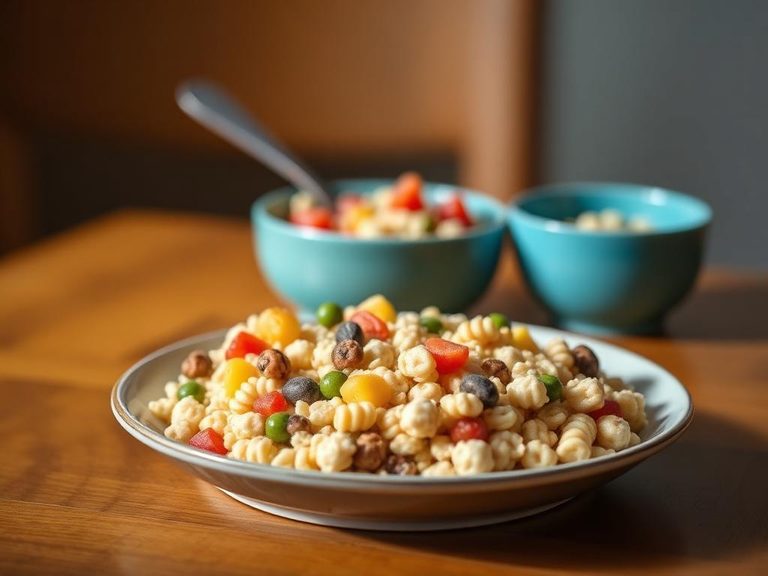
Specialized infant diet

A specialized infant diet, often referred to as 'baby food' or 'infant formula,' is a carefully formulated nutritional product designed to meet the complete dietary needs of infants from birth up to around 12 months of age. It typically comes in two main forms: a liquid formula (made from cow's milk, soy, or hydrolyzed proteins) and a range of pureed or soft-solid foods introduced during weaning. This diet is a modern, science-based invention developed in the 19th and 20th centuries to provide safe, standardized nutrition for infants when breastfeeding is not possible or as a complement to it.
🍽️ Nutrition at a glance
This diet is designed to be nutritionally complete and balanced, with a macronutrient profile that closely mimics human breast milk—moderate in fat and carbohydrates, with adequate protein. It is fortified with a comprehensive array of vitamins and minerals, including iron, vitamin D, and DHA, to support rapid growth and brain development, with a typical formula serving providing around 100-120 kcal.
Nutrition breakdown
| Calories | 120 kcal |
| Protein | 2.2 g |
| Carbs | 13 g |
| Fat | 6.5 g |
| Fiber | 0 g |
| Sugar | 10 g |
| Sodium | 60 mg |
| Vitamin D | 1.0 mcg |
| Iron | 1.5 mg |
| Calcium | 100 mg |
| DHA (Omega-3) | 10 mg |
| Vitamin A | 70 mcg |
| Zinc | 0.8 mg |
| Potassium | 90 mg |
| Phosphorus | 55 mg |
Per 1 bottle of prepared infant formula (120 ml or 4 fl oz) · estimated, varies by recipe
💡 What's interesting
What makes this 'diet' unique is that it is not a single dish but a highly engineered, regulated food category. Its composition is strictly standardized by international guidelines (like those from the WHO) to ensure safety and nutritional adequacy, making it one of the most scientifically scrutinized foods in existence.