Smoothie base for toddlers
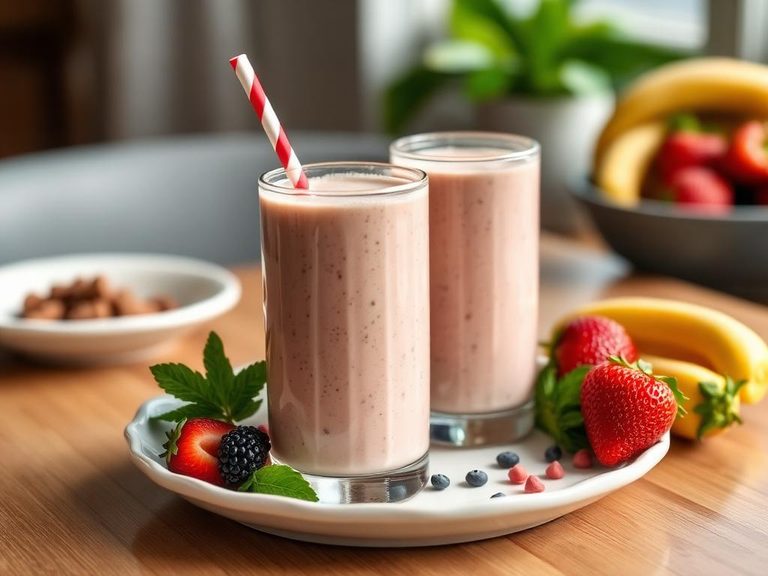
A smoothie base for toddlers is a blended, creamy mixture designed as a nutritious starting point for young children's drinks, typically featuring mild, naturally sweet fruits like banana or mango, a liquid such as milk or yogurt, and sometimes vegetables like spinach for added nutrition. It originates from modern home cooking practices in Western countries, particularly the United States and Europe, as a convenient way to introduce solids.
🍽️ Nutrition at a glance
This base is generally balanced, offering a good mix of carbohydrates from fruits for energy, some protein from dairy or alternatives, and healthy fats if seeds or nut butters are included. A typical serving provides key nutrients like vitamin C, potassium, calcium, and fiber, with a rough calorie range of 100-150 per small cup serving.
Nutrition breakdown
| Calories | 150 kcal |
| Protein | 3 g |
| Carbs | 30 g |
| Fat | 3.5 g |
| Fiber | 4 g |
| Sugar | 18 g |
| Sodium | 40 mg |
| Potassium | 450 mg |
| Vitamin C | 45 mg |
| Calcium | 120 mg |
| Iron | 1.2 mg |
| Vitamin A | 150 mcg RAE |
| Vitamin B6 | 0.3 mg |
| Magnesium | 40 mg |
| Folate | 60 mcg |
Per 1 cup (240 g) · estimated, varies by recipe
💡 What's interesting
Culturally, it reflects a global trend toward baby-led weaning and homemade, whole-food nutrition for infants, moving away from processed baby foods. Nutritionally unique is its adaptability; it can be fortified with nutrient-dense additions like chia seeds or avocado to support toddler growth without added sugars.
🍽️ Related dishes
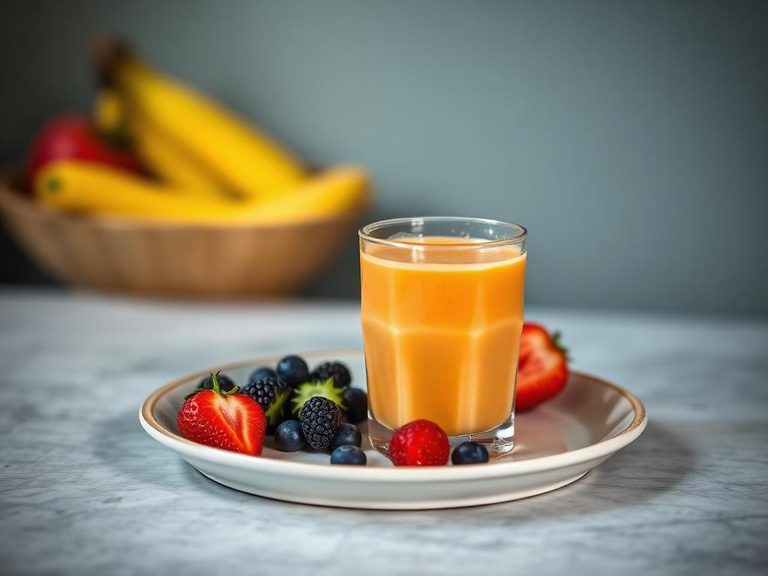 Formula-based smoothie for older toddlers
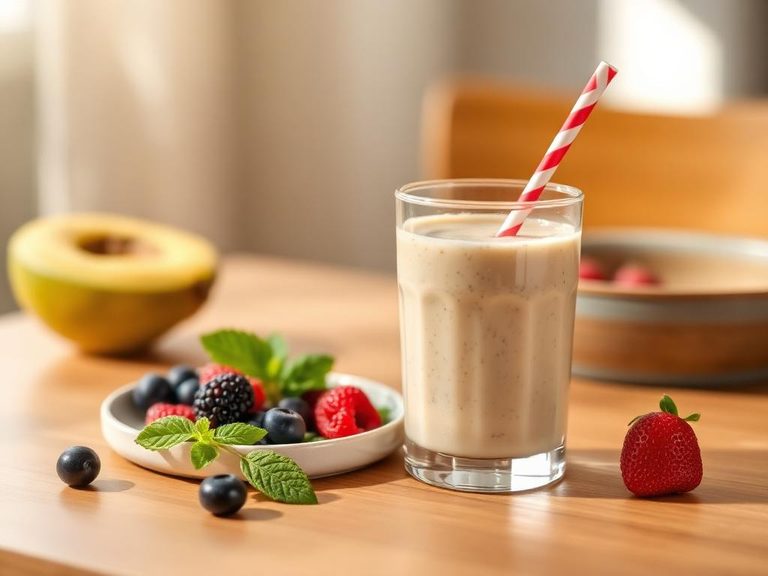 Formula-based smoothie for toddlers
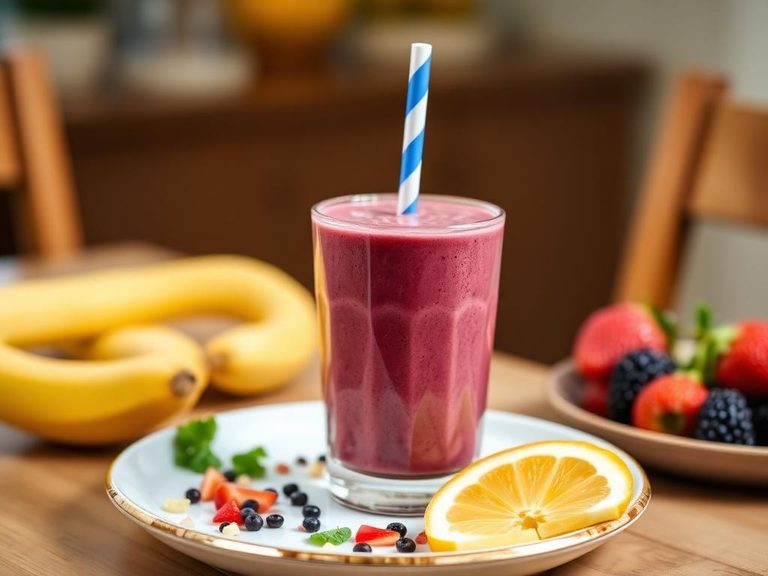 Added to smoothies for toddlers transitioning off formula
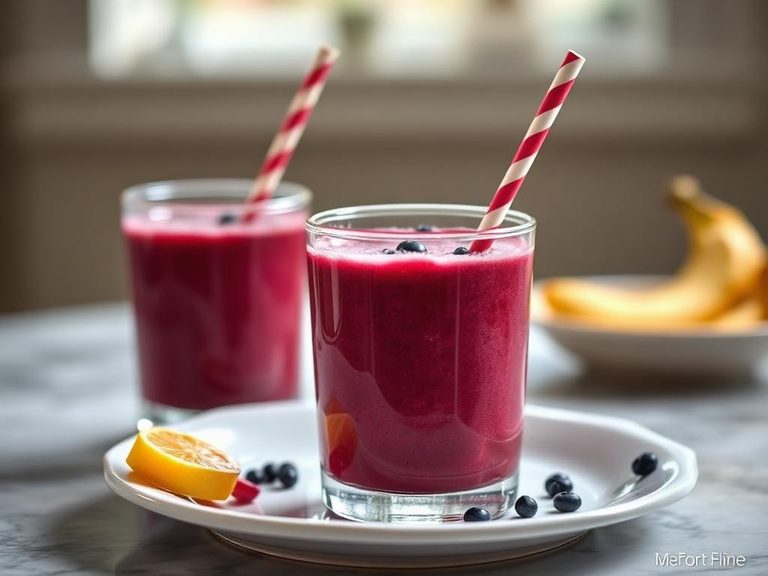 Fortified smoothies for toddlers
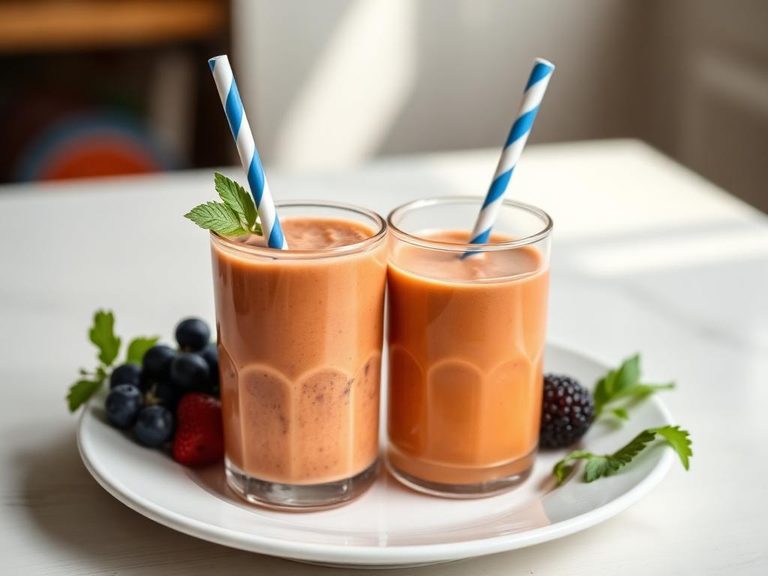 Used as a base for smoothies for older toddlers
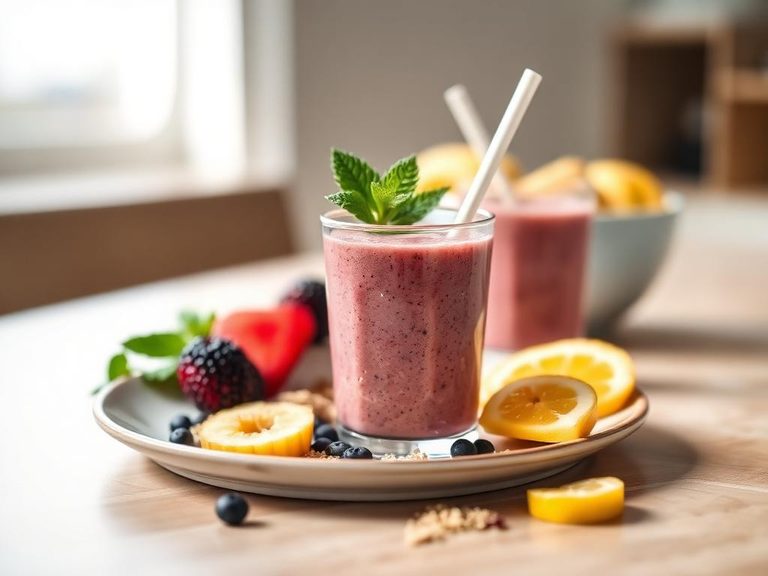 As a base for soothing smoothies for older toddlers
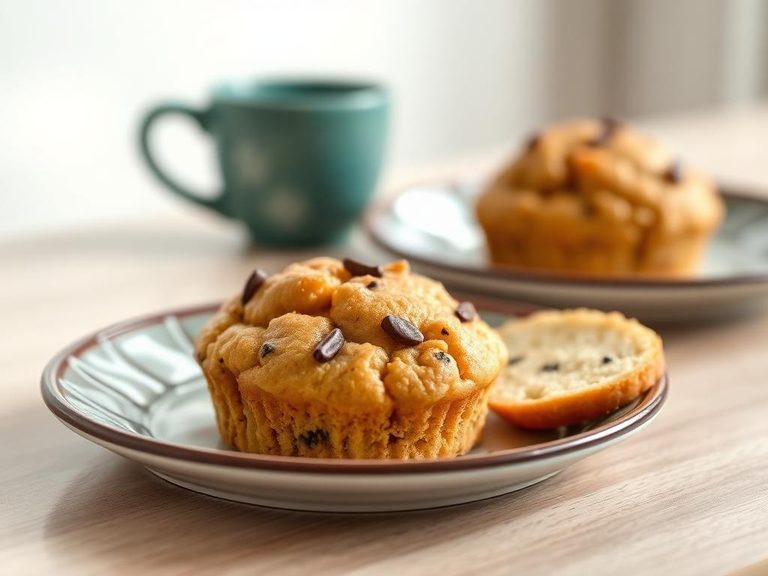 Formula incorporated into baked goods for toddlers
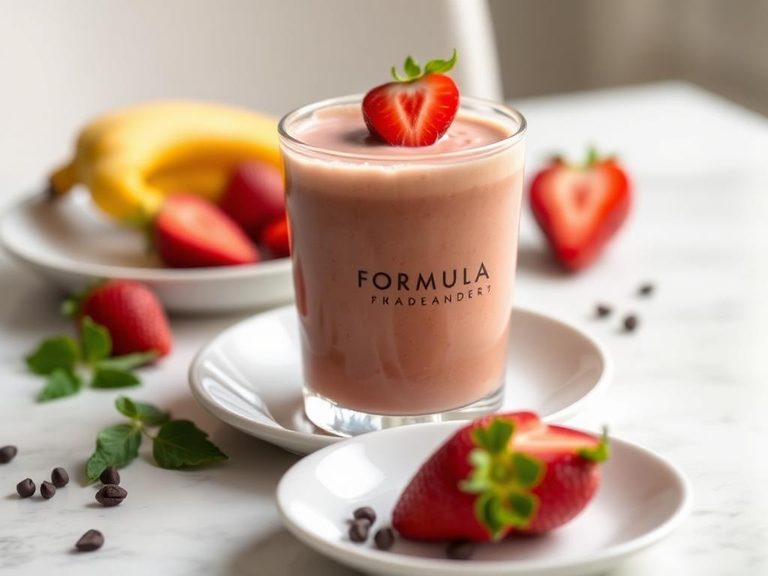 Formula as a base for toddler smoothies