

Side Dish
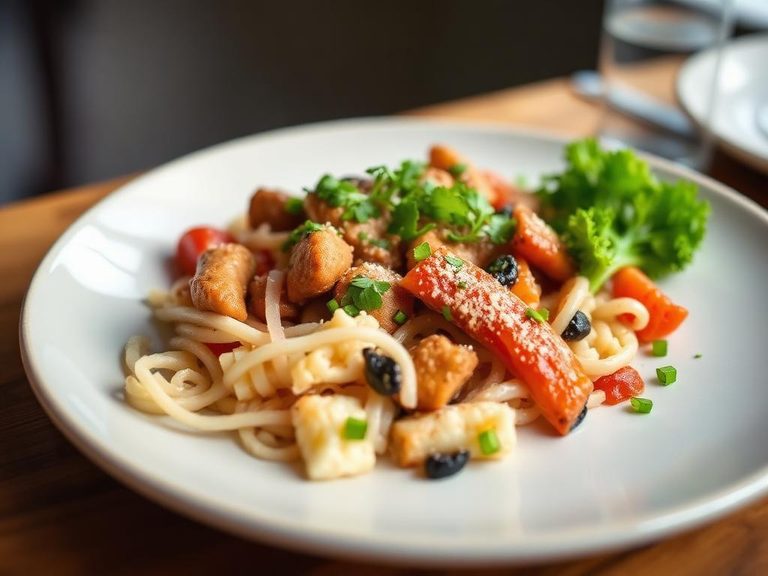
Side Dish is a broad category of food served alongside a main course to complement and enhance the meal. Common examples include steamed vegetables, rice, potatoes, or salads, with ingredients varying widely by region and cuisine. It originates from culinary traditions worldwide, from Asian stir-fried greens to European roasted root vegetables.
🍳 View the full Side Dish recipe →
🍽️ Nutrition at a glance
The nutritional profile of a Side Dish depends heavily on its preparation; for instance, a vegetable-based side is typically low in calories and fat while providing fiber and vitamins, whereas a starch like rice or potatoes offers more carbohydrates for energy. A typical serving ranges from 50 to 200 calories, with key nutrients like vitamin C, potassium, or iron depending on the ingredients used.
Nutrition breakdown
| Calories | 80 kcal |
| Protein | 2 g |
| Carbs | 12 g |
| Fat | 3 g |
| Fiber | 4 g |
| Sugar | 3 g |
| Sodium | 200 mg |
| Vitamin A | 300 mcg RAE |
| Vitamin C | 15 mg |
| Vitamin K | 40 mcg |
| Potassium | 350 mg |
| Magnesium | 25 mg |
| Calcium | 50 mg |
| Iron | 1.5 mg |
| Folate | 60 mcg |
Per 1 cup (150 g) · estimated, varies by recipe
💡 What's interesting
Culturally, Side Dishes often reflect local agricultural practices and seasonal availability, such as kimchi in Korean meals or coleslaw in American barbecue. Nutritionally, they can balance a meal by adding essential micronutrients or fiber that might be lacking in the main dish, promoting a more well-rounded diet.
AI estimate may be inaccurate · Terms