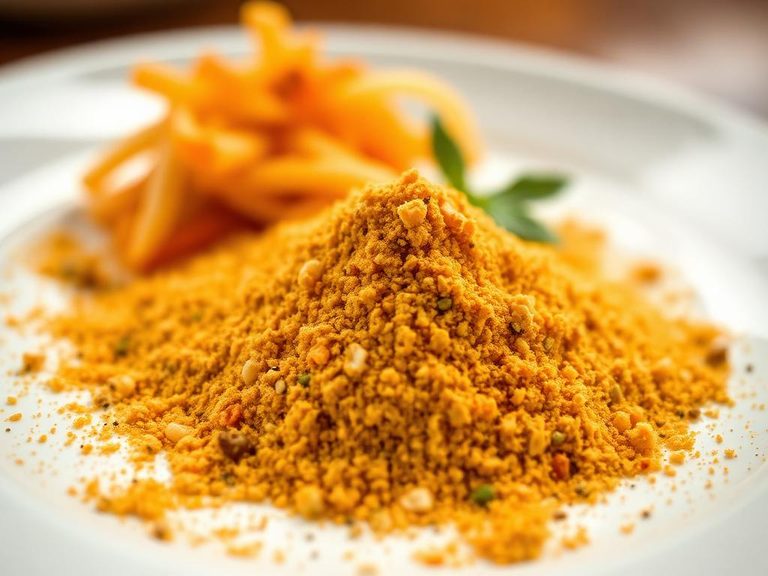
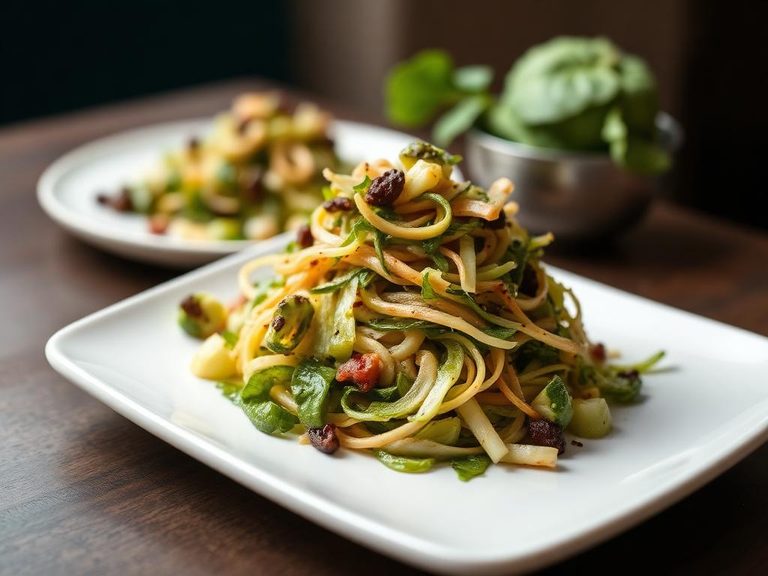
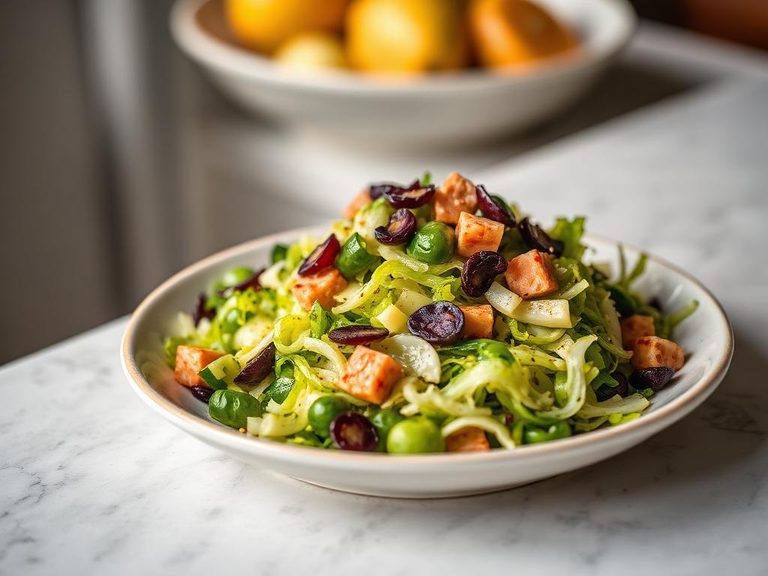
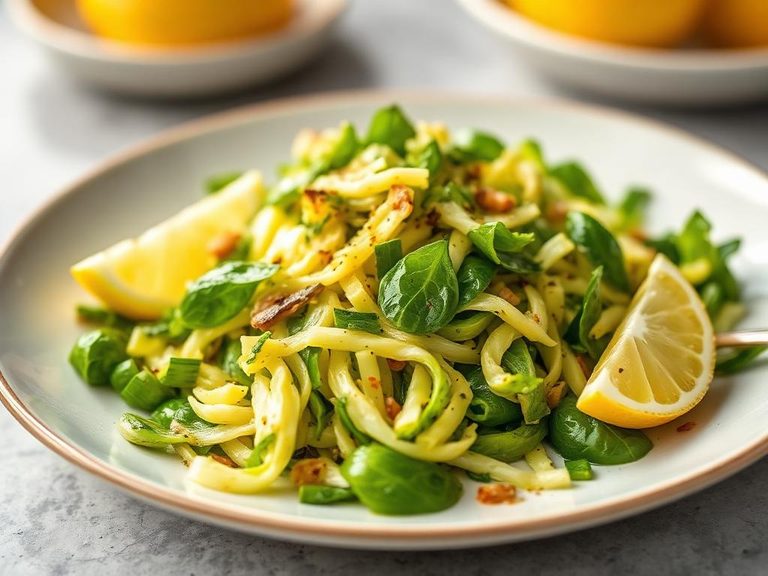
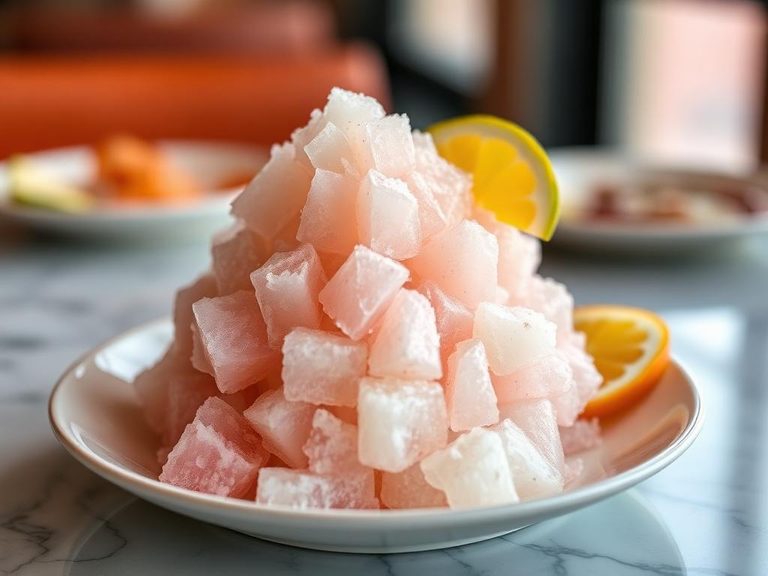
Shaved and used as a seasoning or soup ingredient
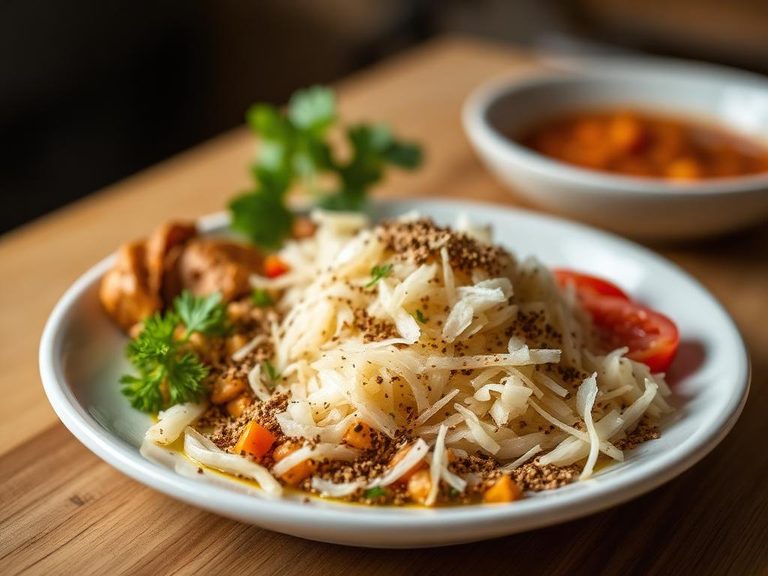
Dried shrimp is a common ingredient in many Asian cuisines, particularly in Chinese, Southeast Asian, and Japanese cooking. It is made by sun-drying or dehydrating small shrimp, concentrating their flavor into a potent, umami-rich seasoning. It's often used whole, crushed, or shaved into soups, stir-fries, and sauces.
🍽️ Nutrition at a glance
Dried shrimp is a high-protein, low-carb food with a significant amount of sodium. A typical serving provides a concentrated dose of minerals like calcium, selenium, and B vitamins, with a calorie count that varies based on the specific product and serving size.
Nutrition breakdown
| Calories | 110 kcal |
| Protein | 22 g |
| Carbs | 1 g |
| Fat | 1 g |
| Fiber | 0 g |
| Sugar | 0 g |
| Sodium | 1800 mg |
| Calcium | 180 mg |
| Selenium | 40 mcg |
| Phosphorus | 150 mg |
| Vitamin B12 | 2.5 mcg |
| Iron | 2 mg |
| Magnesium | 35 mg |
| Zinc | 1.5 mg |
| Niacin (B3) | 2 mg |
Per 1/4 cup (40 g) · estimated, varies by recipe
💡 What's interesting
Culturally, dried shrimp is a cornerstone of umami in many cuisines, often referred to as 'the MSG of the sea' for its ability to deepen savory flavors. Nutritionally, the drying process concentrates nutrients, making it an excellent source of calcium (from the edible shells) and protein relative to its weight.