

Served alongside a green salad

A green salad is a fresh, crisp dish typically made from a mix of leafy greens like lettuce, spinach, or arugula, often combined with other raw vegetables. It is a universal side dish found in cuisines worldwide, from simple American garden salads to more elaborate European composed salads. It is most commonly served chilled or at room temperature.
🍽️ Nutrition at a glance
This dish is generally low in calories, carbohydrates, and fat, making it a light, hydrating side. Its key nutrients are dietary fiber, vitamins A, C, and K, and minerals like potassium and folate, depending on the specific greens and toppings used.
Nutrition breakdown
| Calories | 15 kcal |
| Protein | 1.5 g |
| Carbs | 2.5 g |
| Fat | 0.2 g |
| Fiber | 1.5 g |
| Sugar | 0.5 g |
| Sodium | 10 mg |
| Vitamin K | 100 µg |
| Vitamin A | 300 µg RAE |
| Folate | 60 µg |
| Vitamin C | 8 mg |
| Potassium | 200 mg |
| Manganese | 0.2 mg |
| Iron | 0.8 mg |
| Calcium | 30 mg |
Per 1.5 cups (about 100 g) · estimated, varies by recipe
💡 What's interesting
Culturally, a green salad is a versatile canvas that reflects local agriculture and seasons, from a classic French salade verte to a Middle Eastern fattoush. Nutritionally, the fat-soluble vitamins (like A and K) in the greens are better absorbed when paired with a fat-based dressing, making the common vinaigrette a nutritionally synergistic choice.
🍽️ Related dishes
 Served alongside soup or chili
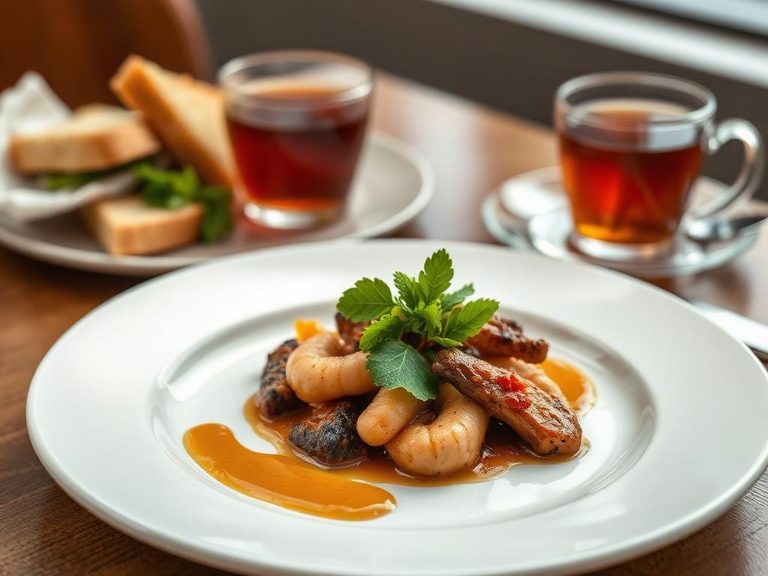 Served alongside pilot bread and tea
 Served alongside fruit and nut butter
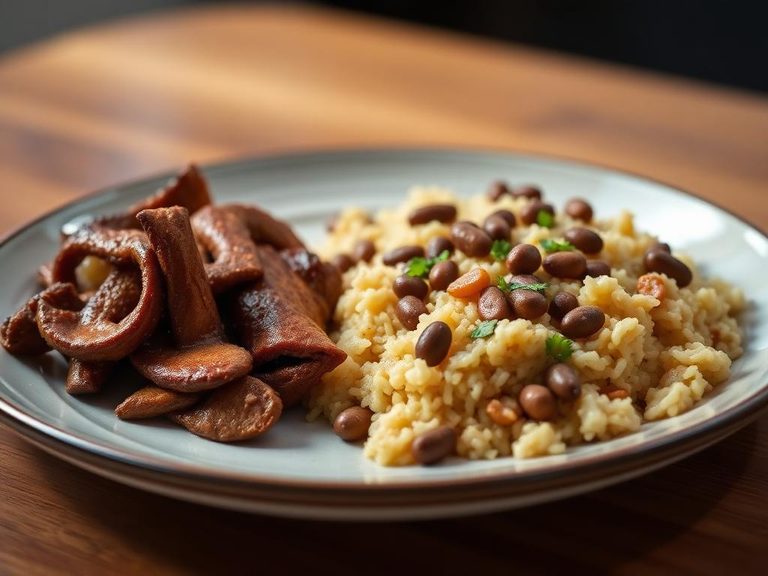 Served alongside Arroz con Gandules
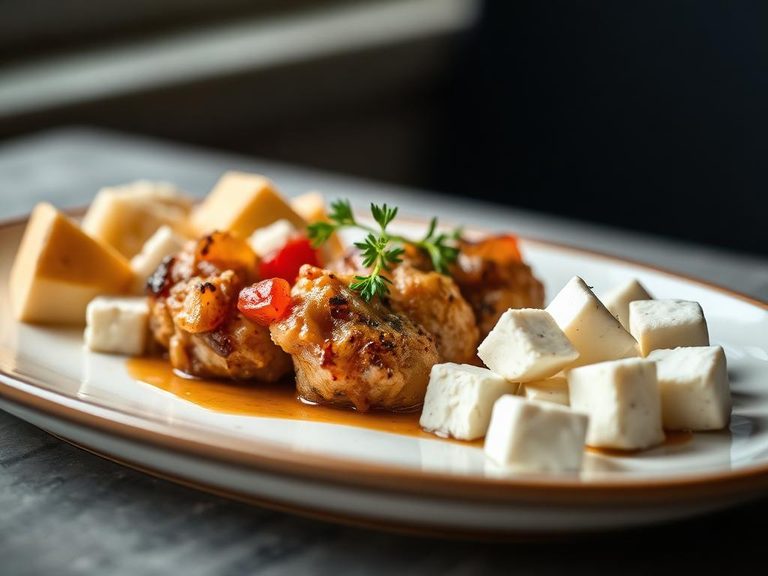 Served alongside soft cheese cubes
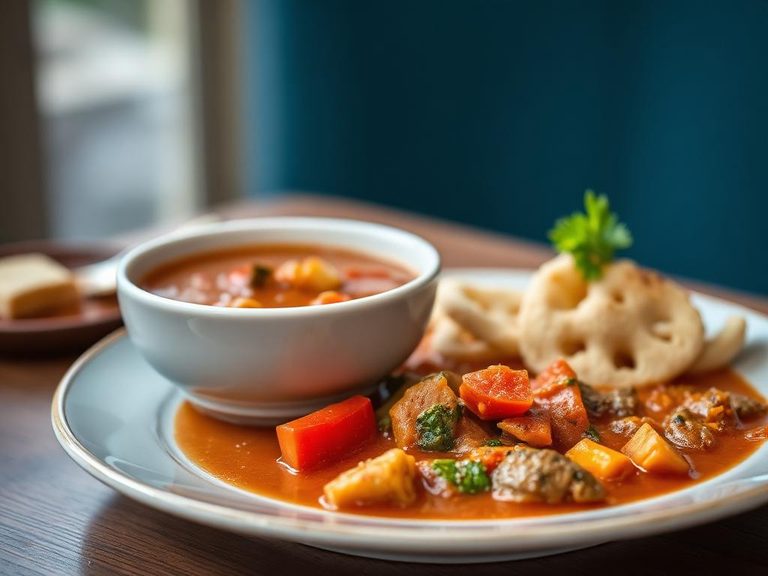 Served alongside a hearty soup or stew
 Served alongside cheese boards and charcuterie
 Served alongside a piece of fruit as a balanced snack
AI estimate may be inaccurate · Terms