Sauternes
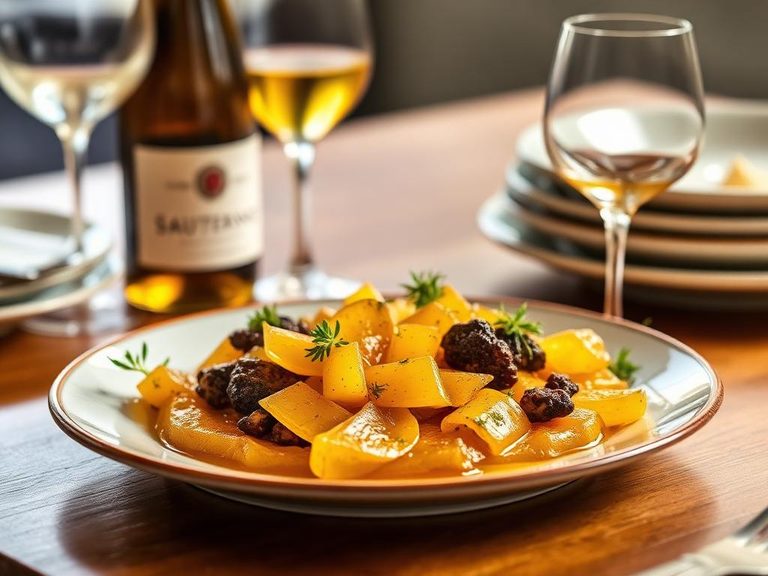
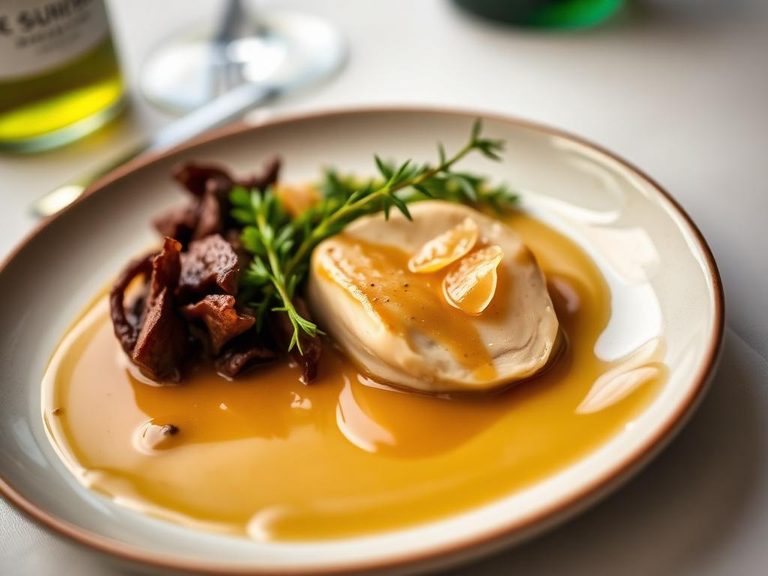
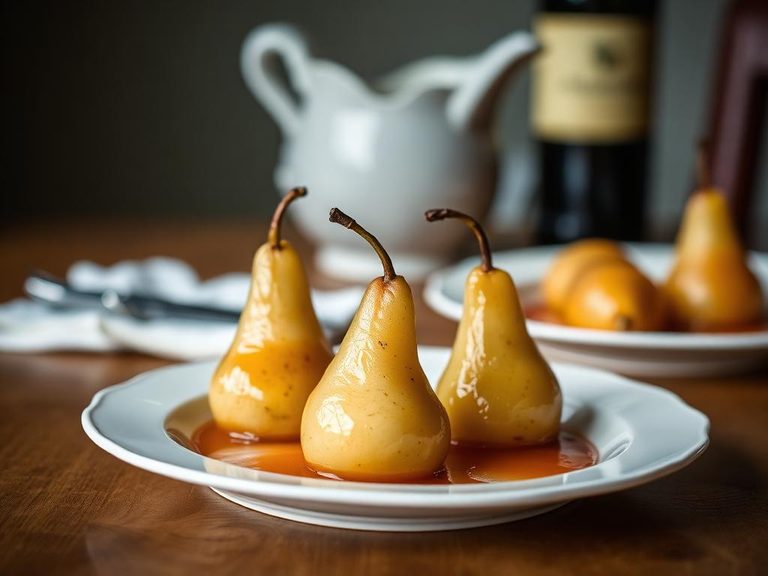
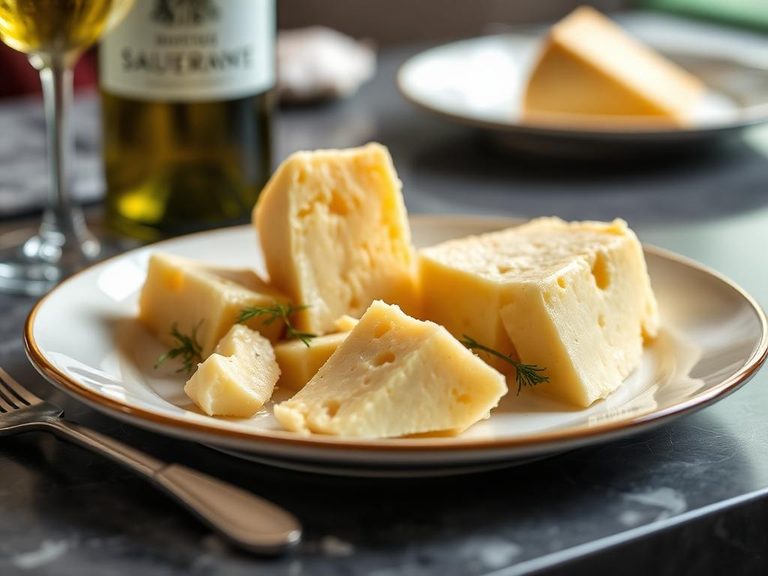
Sauternes is a luxurious French dessert wine from the Bordeaux region, renowned for its golden color and rich, sweet flavor. It is primarily made from Sémillon, Sauvignon Blanc, and Muscadelle grapes affected by 'noble rot' (Botrytis cinerea), which concentrates their sugars and acids. The wine is typically served chilled as an accompaniment to desserts or as a standalone treat.
🍽️ Nutrition at a glance
As a sweet wine, Sauternes is high in carbohydrates and sugars, with minimal protein or fat. A standard serving provides a quick source of energy (calories from alcohol and sugar) and contains trace amounts of minerals like potassium and antioxidants from the grapes.
Nutrition breakdown
| Calories | 120 kcal |
| Protein | 0 g |
| Carbs | 12 g |
| Fat | 0 g |
| Fiber | 0 g |
| Sugar | 10 g |
| Sodium | 5 mg |
| Potassium | 80 mg |
| Manganese | 0.1 mg |
| Iron | 0.2 mg |
| Phosphorus | 15 mg |
| Vitamin B6 | 0.02 mg |
| Riboflavin (B2) | 0.01 mg |
| Niacin (B3) | 0.1 mg |
| Antioxidants (Phenolics) | Variable |
Per 1 glass (120 ml) · estimated, varies by recipe
💡 What's interesting
Sauternes is unique because its signature flavor and complexity come from a beneficial fungus, Botrytis cinerea, which dehydrates the grapes on the vine and transforms their composition. It is one of the world's most age-worthy sweet wines, with top examples developing profound honeyed, apricot, and botrytized notes over decades.