

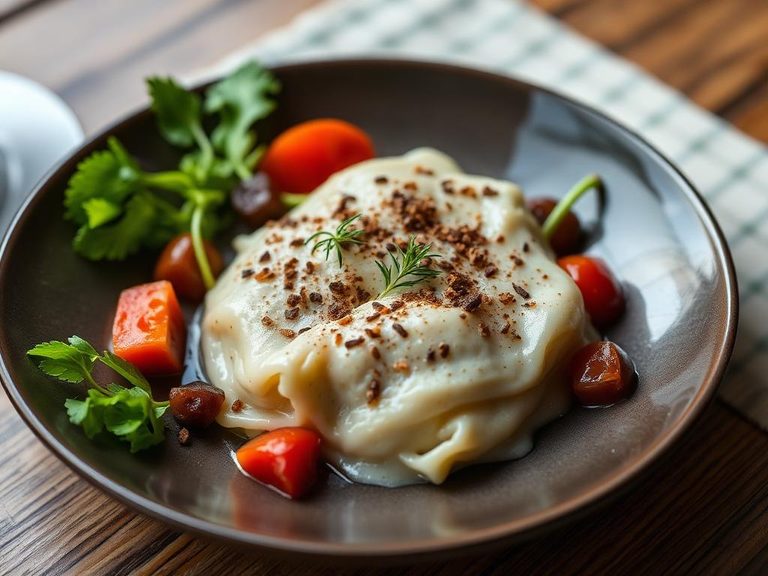
Risotto (Italy)
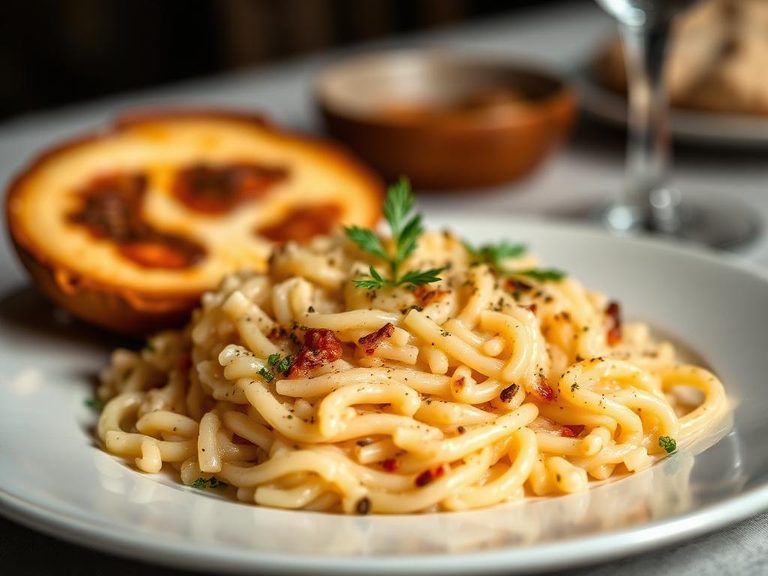
Risotto is a classic Italian rice dish known for its creamy, velvety texture, achieved by slowly stirring and cooking short-grain rice like Arborio or Carnaroli in broth. It typically starts with a base of onions sautéed in butter or oil, followed by the rice, white wine, and gradual additions of hot broth, often finished with butter and Parmigiano-Reggiano cheese. Originating in Northern Italy, particularly regions like Lombardy and Piedmont, it's a staple of Italian cuisine.
🍳 View the full Risotto (Italy) recipe →
🍽️ Nutrition at a glance
Risotto is primarily a high-carbohydrate dish due to the rice, with moderate fat content from butter, cheese, and sometimes meat broth, and relatively low protein unless enriched with additions like seafood or chicken. A standard serving provides a good source of energy and some essential minerals like selenium and manganese from the rice, along with calcium and protein from the cheese, with a rough calorie range of 400-600 per serving depending on ingredients.
Nutrition breakdown
| Calories | 400 kcal |
| Protein | 10 g |
| Carbs | 55 g |
| Fat | 15 g |
| Fiber | 2 g |
| Sugar | 2 g |
| Sodium | 800 mg |
| Potassium | 350 mg |
| Phosphorus | 200 mg |
| Calcium | 150 mg |
| Iron | 3 mg |
| Magnesium | 40 mg |
| Vitamin A | 150 mcg RAE |
| Vitamin B1 (Thiamin) | 0.3 mg |
| Folate | 100 mcg DFE |
Per 1 cup (240 g) · estimated, varies by recipe
💡 What's interesting
Culturally, risotto embodies the Italian principle of 'cucina povera' (peasant cooking), transforming simple, affordable ingredients into a luxurious dish through technique and patience. Nutritionally, its slow-cooking method allows the starches in the rice to release gradually, creating a naturally creamy texture without relying heavily on cream, which distinguishes it from many other creamy dishes.
🍽️ Related dishes
AI estimate may be inaccurate · Terms