

Rice
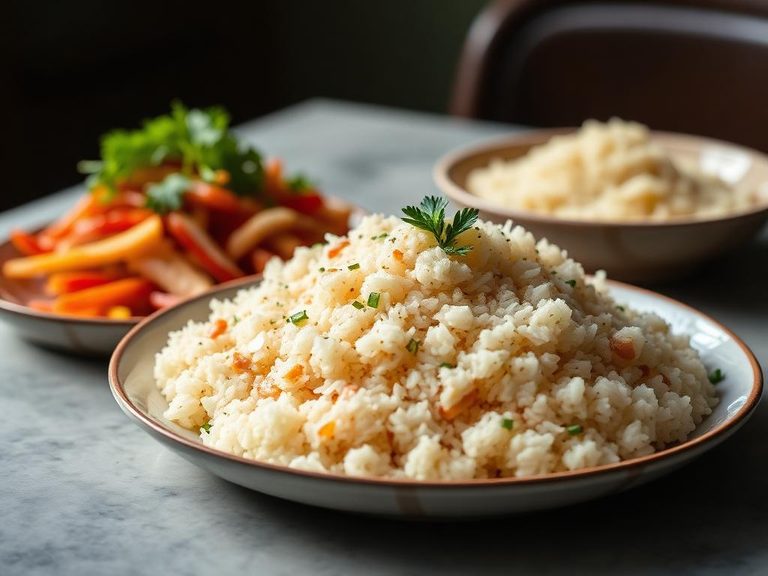
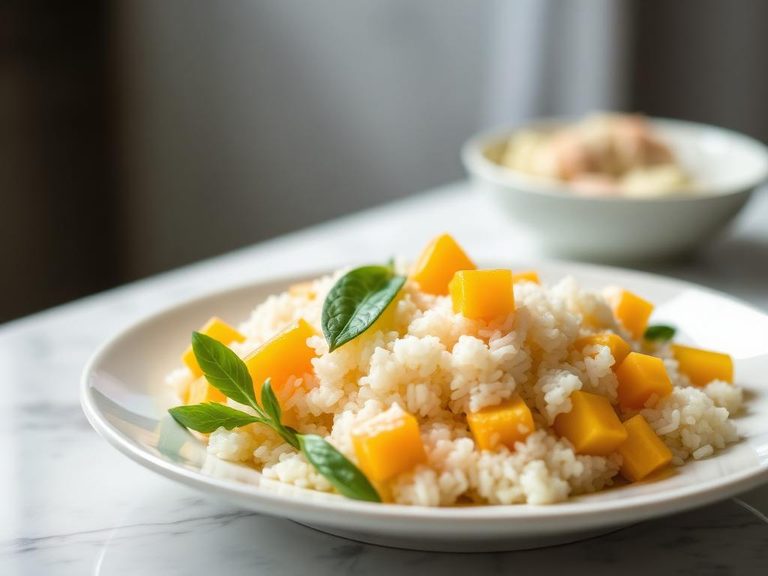
Rice is a versatile staple grain, typically prepared by boiling or steaming, and is a dietary cornerstone for over half the world's population. It originates from Asia, with thousands of varieties cultivated globally, and is often served as a simple side or as the base for complex dishes.
🍽️ Nutrition at a glance
Rice is primarily a high-carbohydrate food, providing a good source of energy, with minimal fat and some protein. A standard one-cup serving of cooked white rice contains roughly 200 calories and offers essential nutrients like manganese and B vitamins.
Nutrition breakdown
| Calories | 205 kcal |
| Protein | 4.3 g |
| Carbs | 44.5 g |
| Fat | 0.4 g |
| Fiber | 0.6 g |
| Sugar | 0.1 g |
| Sodium | 1 mg |
| Manganese | 1.1 mg |
| Selenium | 19.1 mcg |
| Thiamine (B1) | 0.2 mg |
| Niacin (B3) | 2.3 mg |
| Folate (B9) | 92 mcg |
| Iron | 1.9 mg |
| Magnesium | 12 mg |
| Phosphorus | 68 mg |
Per 1 cup (158 g) cooked · estimated, varies by recipe
💡 What's interesting
Rice is culturally significant in many societies, symbolizing fertility and prosperity, and is central to rituals and celebrations. Nutritionally, its unique ability to be easily digested makes it a vital food for infants and individuals with digestive sensitivities.
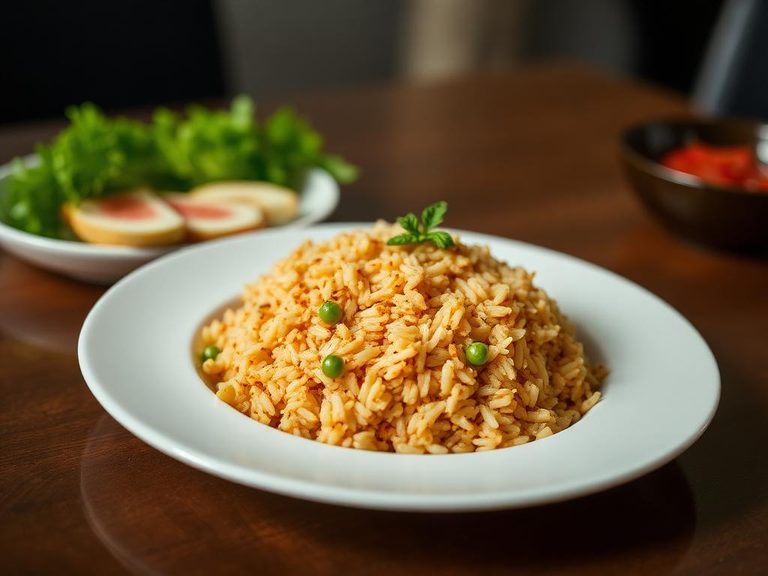
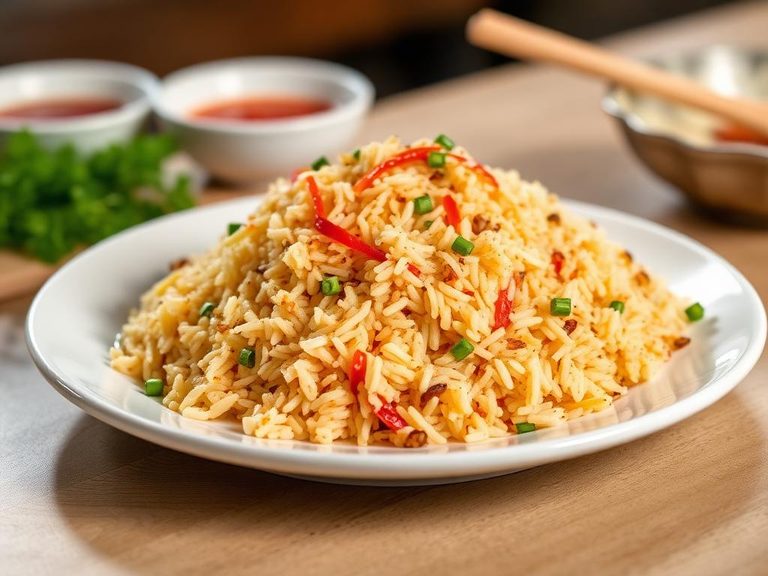
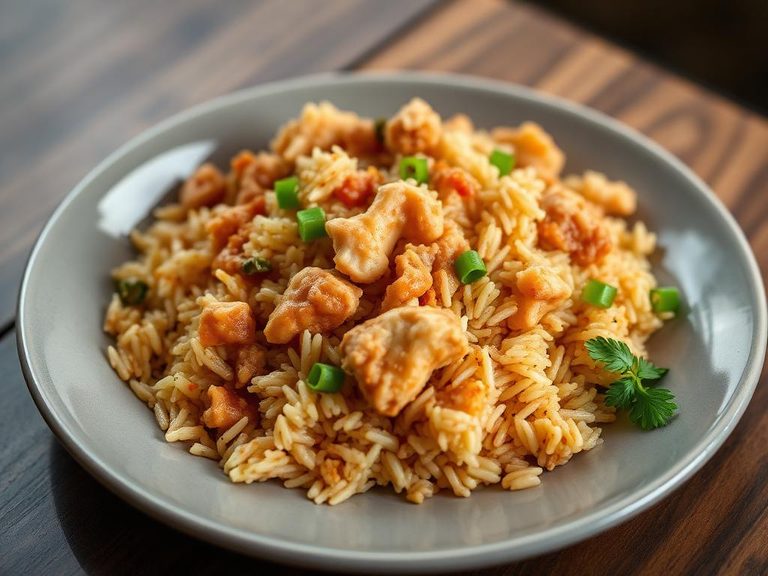
🍽️ Related dishes
AI estimate may be inaccurate · Terms