

Ras el Hanout
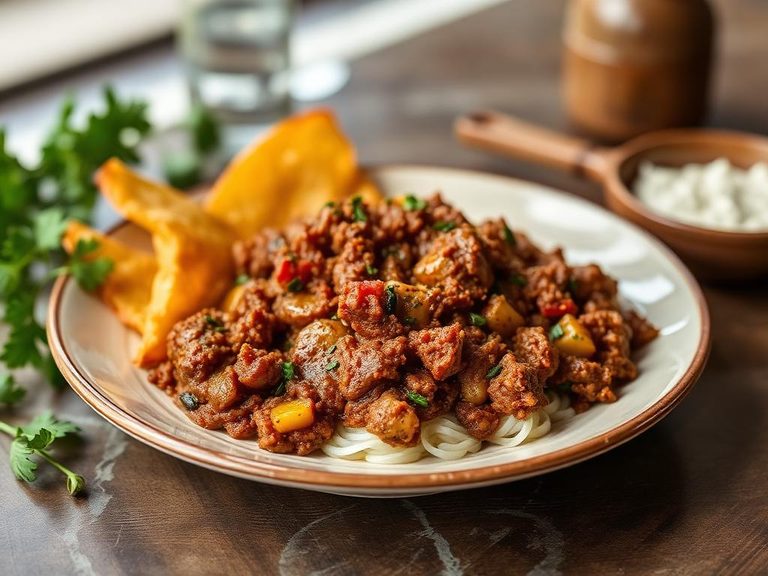
Ras el Hanout is a complex North African spice blend, meaning 'head of the shop' in Arabic, signifying the best spices the merchant has to offer. It typically includes a mix of warm, aromatic spices like cardamom, cumin, clove, cinnamon, nutmeg, mace, allspice, dry ginger, turmeric, pepper, and sometimes floral notes like rose petals or lavender. It originates from the Maghreb region, particularly Morocco, Tunisia, and Algeria, and is a cornerstone of their culinary identity.
🍳 View the full Ras el Hanout recipe →
🍽️ Nutrition at a glance
As a spice blend, Ras el Hanout is used in small quantities and is not a significant source of calories, carbs, fat, or protein. Its key nutritional contribution comes from the potent antioxidants and anti-inflammatory compounds found in its constituent spices, such as curcumin from turmeric and gingerol from ginger.
Nutrition breakdown
| Calories | 20 kcal |
| Protein | 0.5 g |
| Carbs | 4 g |
| Fat | 0.5 g |
| Fiber | 1.5 g |
| Sugar | 0.5 g |
| Sodium | 5 mg |
| Iron | 1.2 mg |
| Manganese | 0.8 mg |
| Copper | 0.1 mg |
| Calcium | 30 mg |
| Magnesium | 15 mg |
| Vitamin A | 150 IU |
| Vitamin C | 1 mg |
| Phosphorus | 10 mg |
Per 1 tablespoon (6 g) · estimated, varies by recipe
💡 What's interesting
What makes Ras el Hanout culturally unique is that there is no single definitive recipe; each spice merchant and family often has their own secret blend, sometimes containing over 30 ingredients, making it a true 'signature' of the shop or household. Nutritionally, its complexity means it delivers a broad spectrum of bioactive compounds in a single spoonful, acting as a concentrated source of phytonutrients.
🍽️ Related dishes


AI estimate may be inaccurate · Terms