Rainbow Jelly
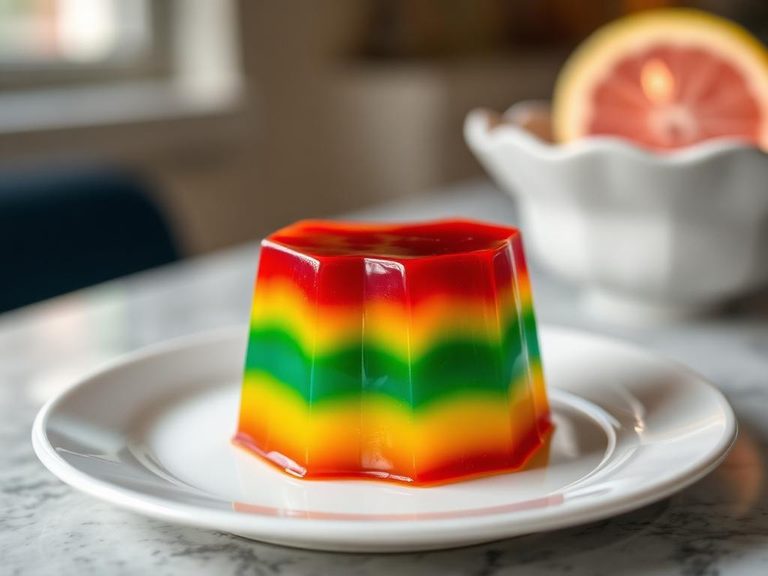
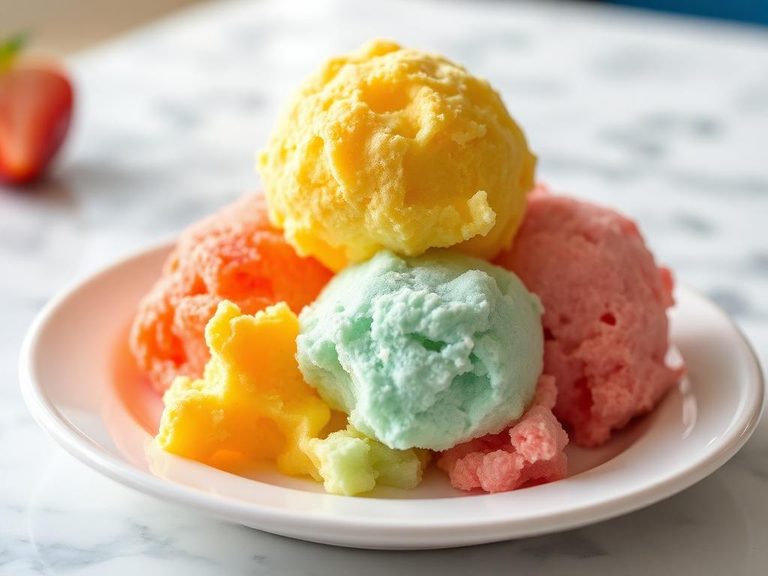
Rainbow Jelly, also known as 'Liangfen' or 'Cendol' in various Southeast Asian cuisines, is a vibrant, refreshing dessert made from layered or mixed starch-based jellies, often flavored with pandan, coconut milk, and palm sugar. It's a popular street food and dessert in countries like Thailand, Malaysia, and Indonesia, typically served chilled with a sweet syrup and sometimes a sprinkle of toasted coconut or peanuts.
🍽️ Nutrition at a glance
This dish is primarily a source of simple carbohydrates from the starch jelly and sugars, with minimal protein or fat unless coconut milk or nuts are added generously. A typical serving contains around 150-250 calories, providing quick energy and some hydration, but limited in essential vitamins or minerals.
Nutrition breakdown
| Calories | 120 kcal |
| Protein | 0.5 g |
| Carbs | 30 g |
| Fat | 0 g |
| Fiber | 0 g |
| Sugar | 25 g |
| Sodium | 30 mg |
| Calcium | 10 mg |
| Iron | 0.1 mg |
| Potassium | 15 mg |
| Vitamin C | 0 mg |
| Magnesium | 5 mg |
| Phosphorus | 10 mg |
| Zinc | 0.05 mg |
| Manganese | 0.1 mg |
Per 1 cup (240 g) · estimated, varies by recipe
💡 What's interesting
Culturally, Rainbow Jelly is a festive treat often associated with celebrations and hot weather, showcasing the creative use of natural colorants like pandan (green) and butterfly pea flower (blue). Nutritionally, it's a fun way to enjoy a cool snack, though it's more about delight and tradition than significant nutritional value.