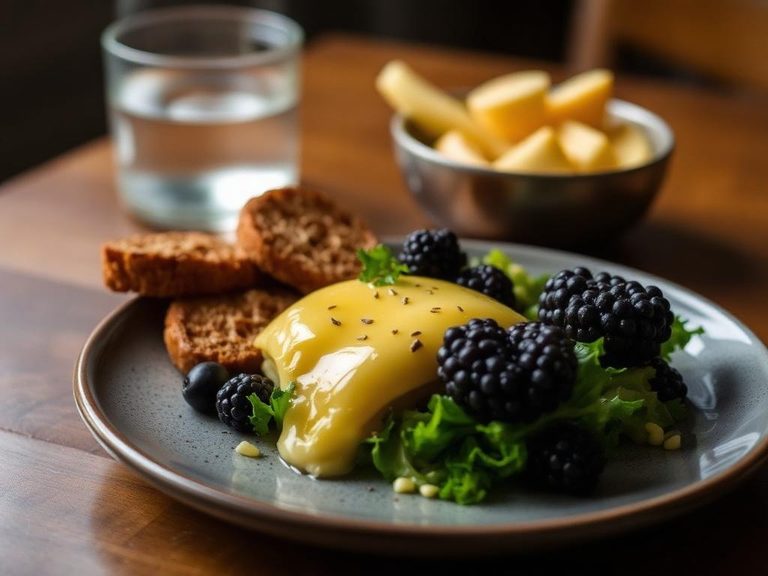
Post-illness recovery feeding
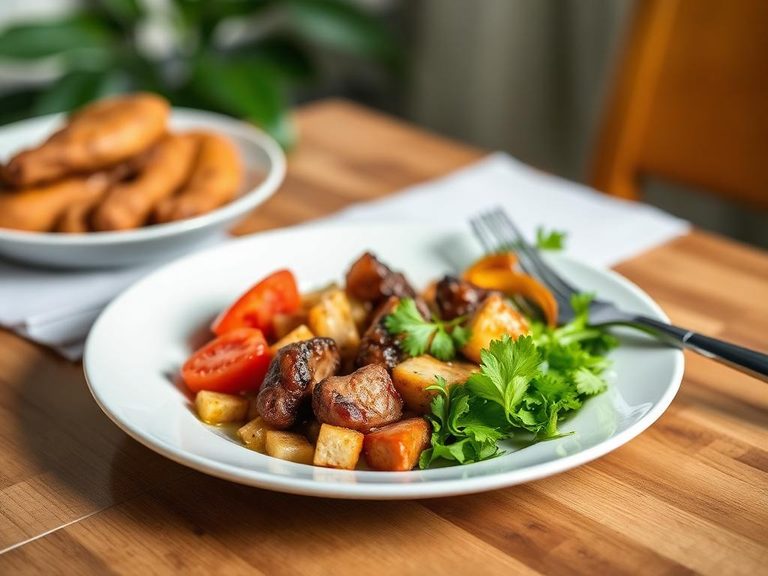
Post-illness recovery feeding, often called 'congee' or 'jook' in Chinese culture, is a warm, savory rice porridge traditionally served to those recovering from sickness. It is made by slowly simmering rice in a large amount of water or broth until it breaks down into a smooth, easily digestible consistency, and is commonly flavored with ginger, scallions, and sometimes lean protein like chicken or fish.
🍽️ Nutrition at a glance
This dish is primarily a source of easily digestible carbohydrates for gentle energy, with minimal fat. It provides essential electrolytes like sodium and potassium for rehydration, and a serving typically ranges from 150 to 250 calories, depending on added ingredients.
Nutrition breakdown
| Calories | 180 kcal |
| Protein | 4 g |
| Carbs | 35 g |
| Fat | 2 g |
| Fiber | 1 g |
| Sugar | 0 g |
| Sodium | 400 mg |
| Potassium | 120 mg |
| Sodium | 400 mg |
| Iron | 1.5 mg |
| Magnesium | 20 mg |
| Phosphorus | 50 mg |
| Niacin (B3) | 2 mg |
| Manganese | 0.5 mg |
| Selenium | 6 mcg |
Per 1 bowl (300 g) · estimated, varies by recipe
💡 What's interesting
Culturally, it is a cornerstone of traditional Chinese medicine and home care, believed to be gentle on the stomach and to help restore 'qi' (vital energy). Nutritionally, its unique value lies in its high water content and broken-down starches, which make it exceptionally soothing and hydrating for a sensitive digestive system.