

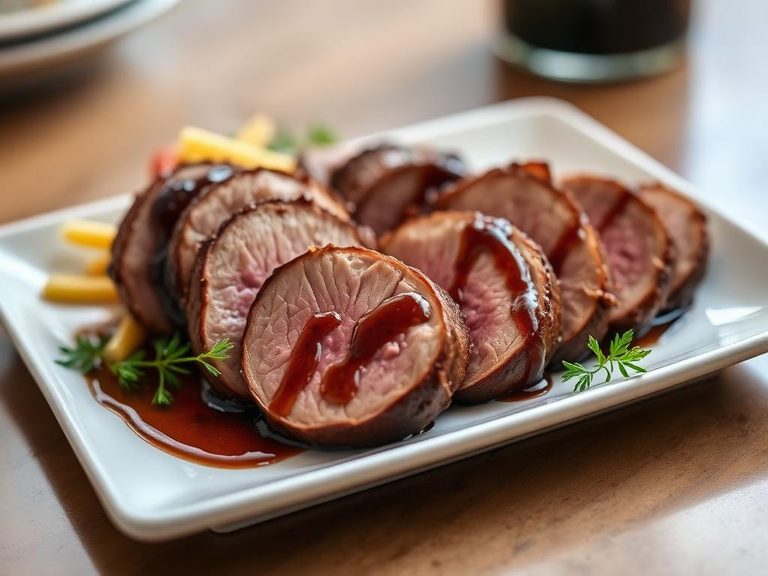
Pork tenderloin
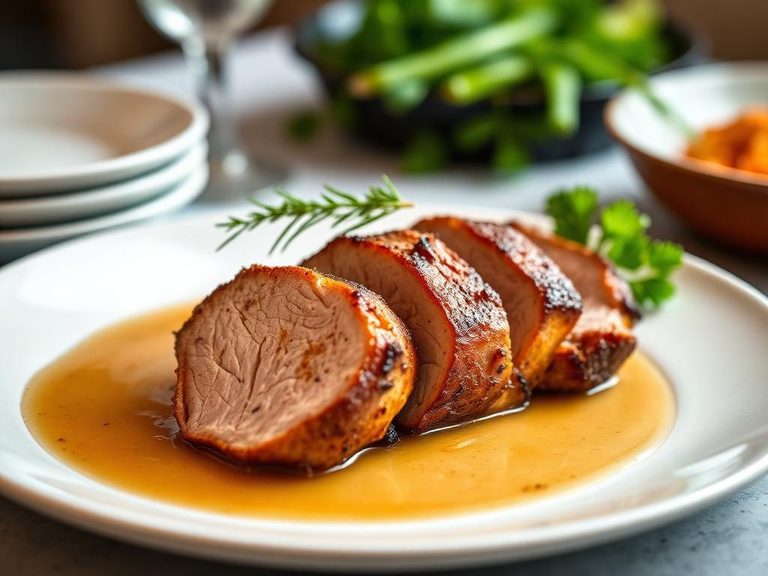
Pork tenderloin is a lean, tender cut of meat often prepared by pounding it thin, breading it, and pan-frying it to a golden crisp. It is a staple in Midwestern American cuisine, particularly in states like Iowa and Indiana, and is also popular in German-inspired cooking. The dish is sometimes confused with pork schnitzel due to its similar preparation method.
🍽️ Nutrition at a glance
This dish is high in protein and relatively low in fat, especially compared to other fried cutlets. A typical serving provides essential nutrients like B vitamins, zinc, and selenium, with a calorie range of approximately 250-400 depending on the thickness of the breading and cooking oil used.
Nutrition breakdown
| Calories | 165 kcal |
| Protein | 31 g |
| Carbs | 0 g |
| Fat | 3.5 g |
| Fiber | 0 g |
| Sugar | 0 g |
| Sodium | 65 mg |
| Potassium | 450 mg |
| Phosphorus | 280 mg |
| Niacin (B3) | 9 mg |
| Vitamin B6 | 0.7 mg |
| Vitamin B12 | 0.8 mcg |
| Selenium | 42 mcg |
| Zinc | 2.5 mg |
| Iron | 1.2 mg |
Per 1 serving (113 g, about 4 oz, cooked) · estimated, varies by recipe
💡 What's interesting
The pork tenderloin sandwich is a beloved regional icon in the American Midwest, often served on a bun where the meat dramatically overhangs the bread. Nutritionally, it offers a leaner alternative to beef-based fried cutlets, making it a popular choice for those seeking a high-protein meal with less saturated fat.
🍽️ Related dishes
AI estimate may be inaccurate · Terms