

Pineapple Pork
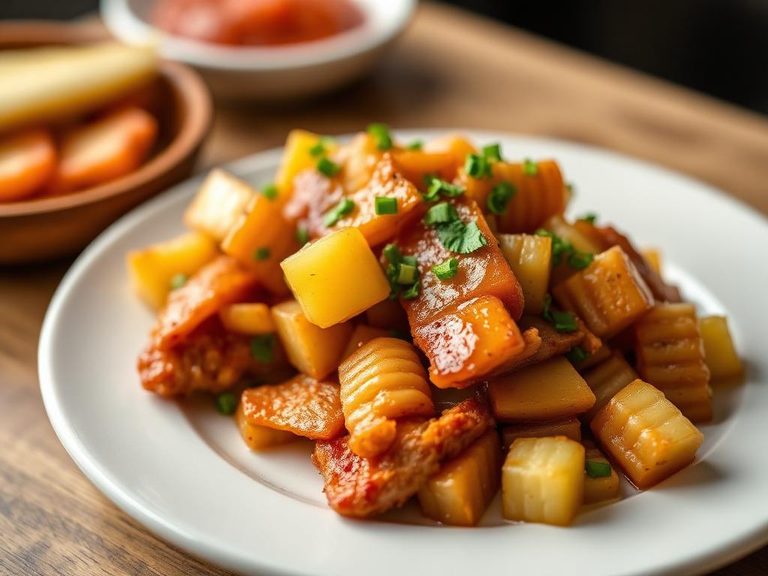
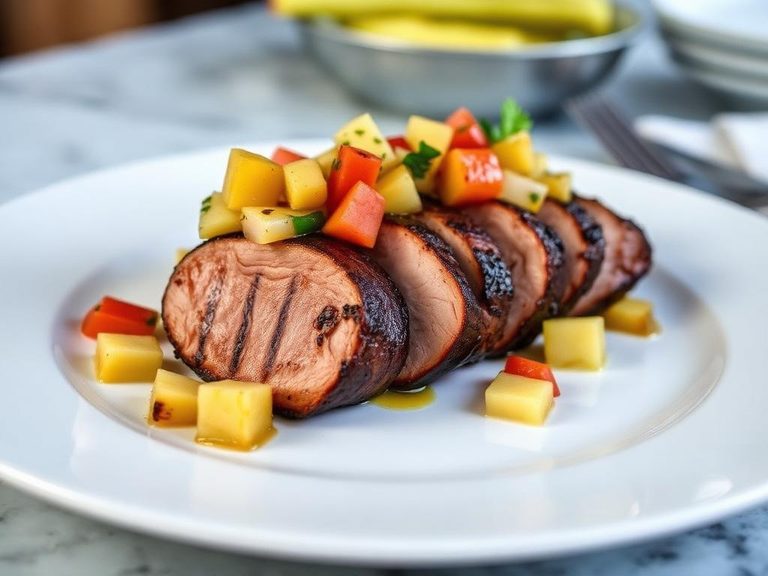
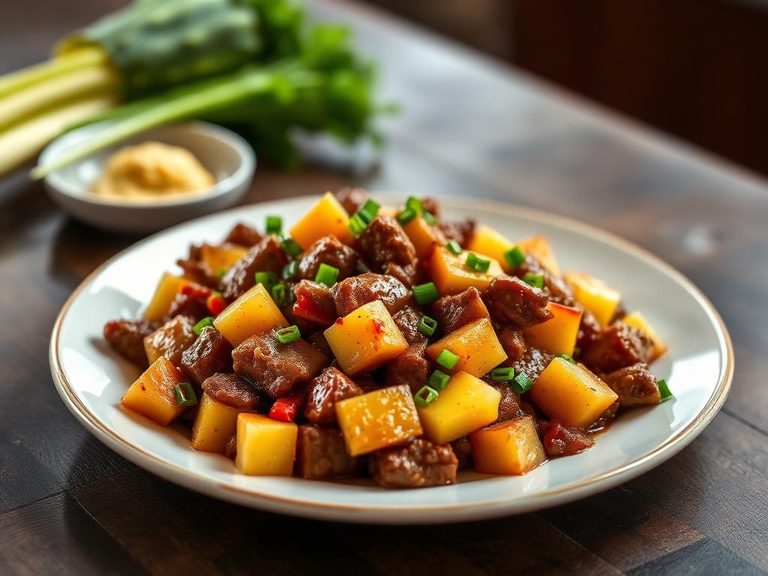
Pineapple Pork is a popular sweet and sour dish that typically features tender pieces of pork, often battered and fried, combined with chunks of pineapple, bell peppers, and onions in a tangy, glossy sauce. While its exact origins are debated, it is widely associated with Chinese-American cuisine and has become a staple in many Westernized Asian restaurants. The dish balances savory and sweet flavors, making it a favorite for those who enjoy vibrant, contrasting tastes.
🍳 View the full Pineapple Pork recipe →
🍽️ Nutrition at a glance
Pineapple Pork is generally high in carbohydrates due to the sugar in the sauce and the pineapple, while also containing a moderate amount of protein from the pork. It provides key nutrients like vitamin C from the pineapple and peppers, along with some iron and B vitamins from the pork, with a rough calorie ballpark of 400-600 calories per serving depending on preparation and portion size.
Nutrition breakdown
| Calories | 350 kcal |
| Protein | 22 g |
| Carbs | 25 g |
| Fat | 18 g |
| Fiber | 2 g |
| Sugar | 15 g |
| Sodium | 600 mg |
| Potassium | 450 mg |
| Vitamin C | 40 mg |
| Vitamin B6 | 0.6 mg |
| Vitamin B12 | 0.5 mcg |
| Iron | 1.5 mg |
| Zinc | 2.5 mg |
| Selenium | 30 mcg |
| Phosphorus | 250 mg |
Per 1 cup (240 g) · estimated, varies by recipe
💡 What's interesting
Culturally, Pineapple Pork reflects the fusion of Eastern and Western culinary traditions, often adapting traditional Chinese recipes to suit global palates. Nutritionally, the pineapple contains bromelain, an enzyme that can aid in digestion and may help tenderize the pork, adding a unique functional benefit to the dish.
🍽️ Related dishes



AI estimate may be inaccurate · Terms