

Pancakes & waffles
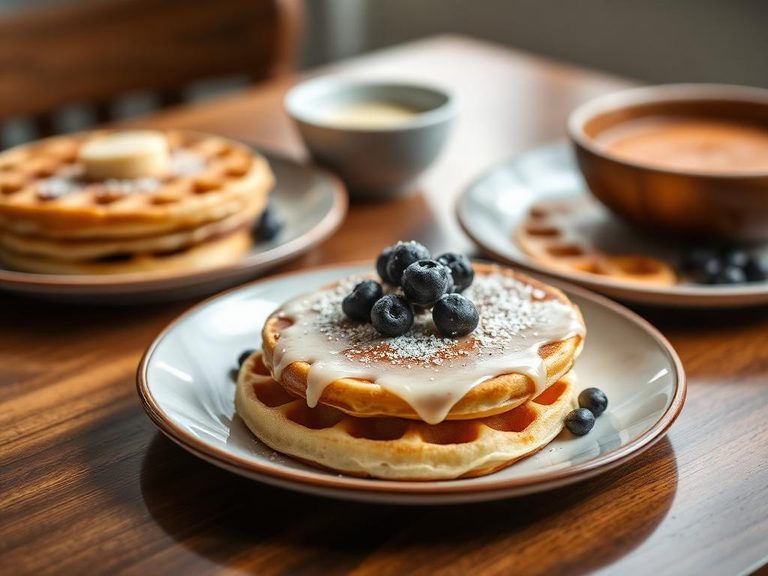
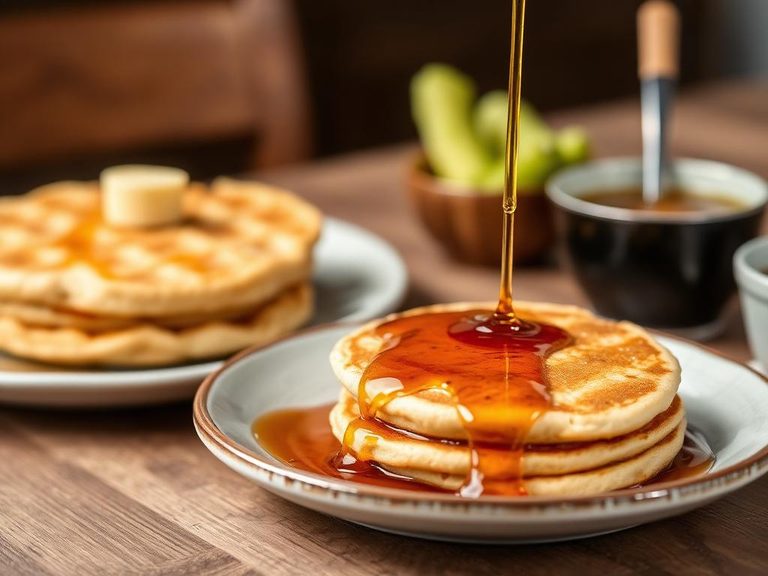
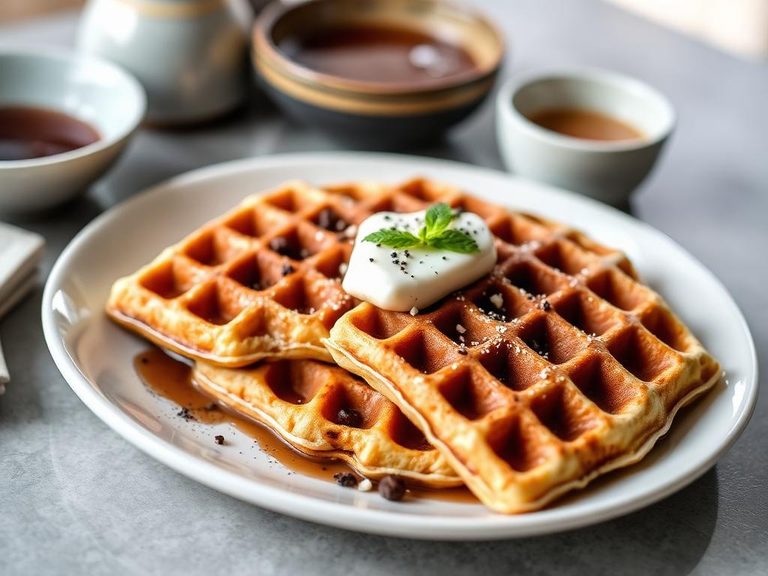
Pancakes and waffles are beloved breakfast staples made from a batter of flour, eggs, milk, and a leavening agent like baking powder, cooked on a griddle or in a waffle iron respectively. Pancakes are flat, round, and fluffy, while waffles are distinguished by their grid-like pattern and crispier texture. They originated in Europe, with early versions appearing in ancient Greece and medieval times, and became iconic in North American cuisine.
🍽️ Nutrition at a glance
This dish is primarily high in carbohydrates and can also be high in fat depending on preparation and toppings. It provides quick energy from carbs, some protein from eggs and milk, and key nutrients like B vitamins, iron, and calcium, with a typical serving ranging from 300 to 500 calories.
Nutrition breakdown
| Calories | 350 kcal |
| Protein | 8 g |
| Carbs | 45 g |
| Fat | 14 g |
| Fiber | 2 g |
| Sugar | 8 g |
| Sodium | 450 mg |
| Calcium | 150 mg |
| Iron | 2.5 mg |
| Potassium | 180 mg |
| Vitamin B1 (Thiamin) | 0.3 mg |
| Vitamin B2 (Riboflavin) | 0.2 mg |
| Vitamin B3 (Niacin) | 2.5 mg |
| Phosphorus | 120 mg |
| Magnesium | 25 mg |
Per 2 medium pancakes (approx. 100 g) or 1 plain waffle (approx. 80 g) · estimated, varies by recipe
💡 What's interesting
Culturally, pancakes and waffles are deeply embedded in breakfast traditions worldwide, from American 'flapjacks' to Belgian Liège waffles. Nutritionally, they are often a vehicle for both indulgent toppings (like syrup and butter) and nutritious additions (like fruit or nuts), making them a versatile meal.
🍽️ Related dishes



AI estimate may be inaccurate · Terms