Nimono
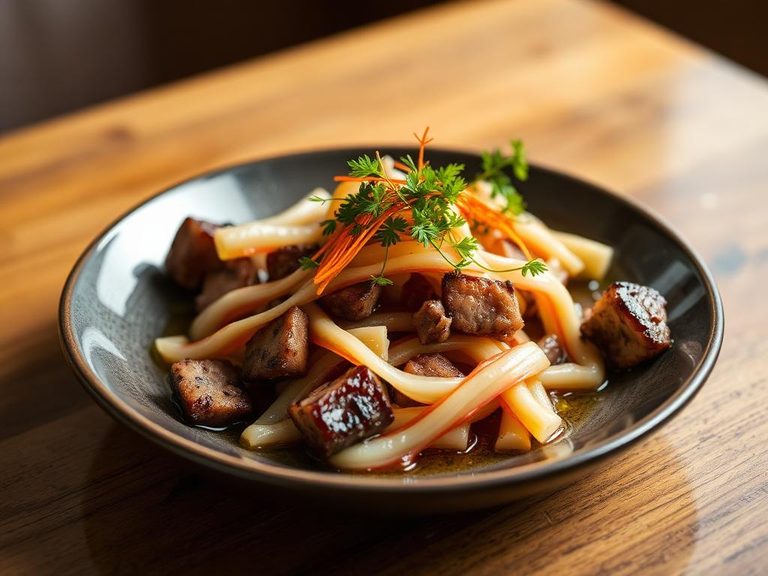
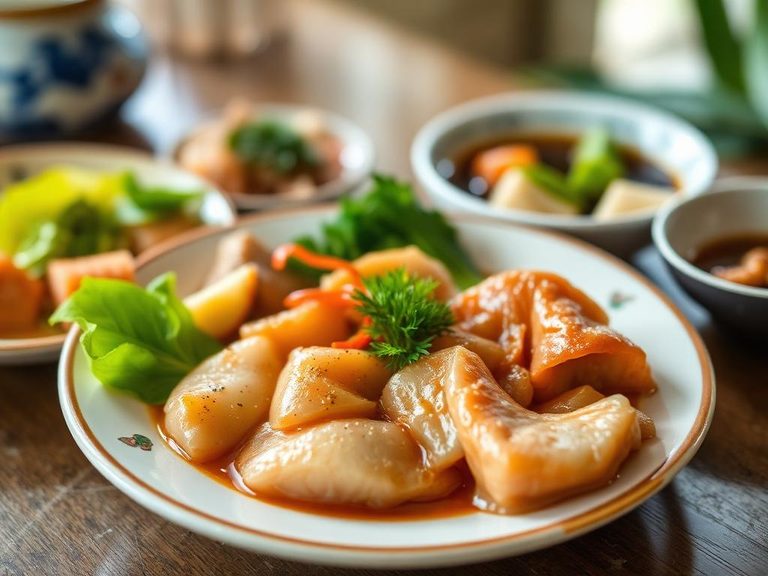
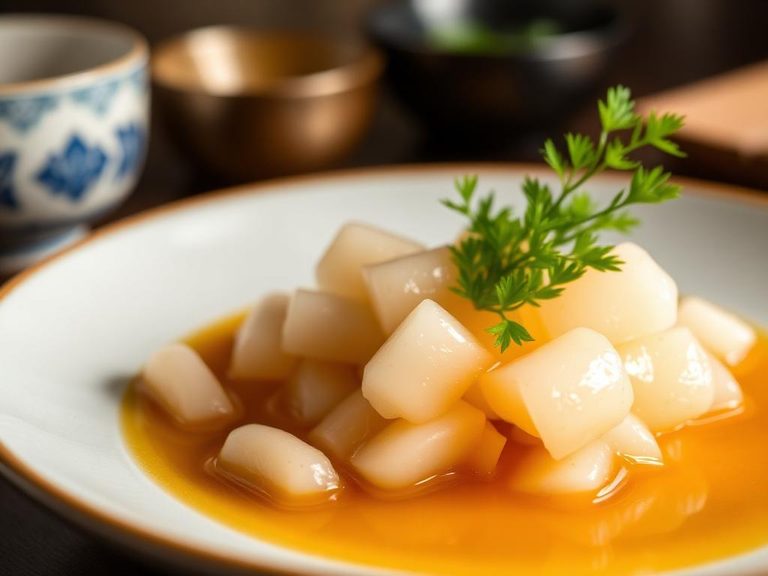
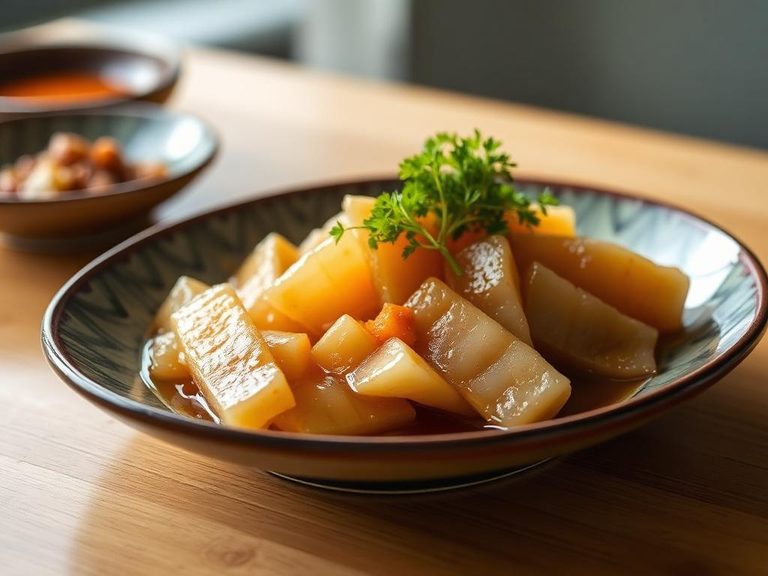
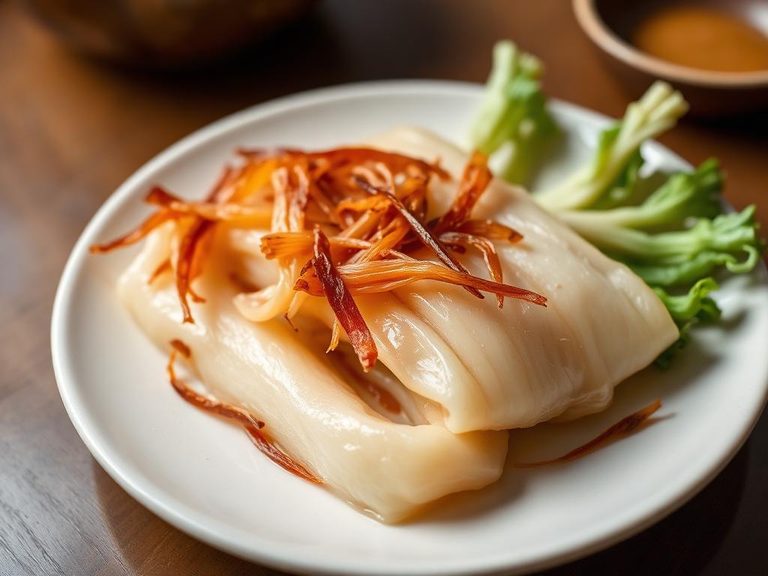
Nimono is a classic Japanese simmered dish where vegetables and sometimes protein are gently cooked in a savory-sweet broth. The typical ingredients include root vegetables like daikon radish, carrots, and potatoes, along with konnyaku (konjac) and often chicken or fish cakes. It's a staple of Japanese home cooking, especially in the colder months.
🍽️ Nutrition at a glance
Nimono is generally low in fat and moderate in carbohydrates, with the carbs coming primarily from the vegetables and the small amount of sugar in the broth. It's a good source of dietary fiber and provides essential minerals like potassium from the vegetables.
Nutrition breakdown
| Calories | 110 kcal |
| Protein | 5 g |
| Carbs | 18 g |
| Fat | 1.5 g |
| Fiber | 3.5 g |
| Sugar | 6 g |
| Sodium | 480 mg |
| Potassium | 350 mg |
| Vitamin A | 85 mcg RAE |
| Vitamin C | 15 mg |
| Folate | 40 mcg |
| Manganese | 0.4 mg |
| Iron | 1.2 mg |
| Phosphorus | 95 mg |
| Vitamin B6 | 0.2 mg |
Per 1 cup (240 g) · estimated, varies by recipe
💡 What's interesting
The cooking technique, called 'nimono,' is a foundational method in Japanese cuisine that emphasizes extracting the natural flavors of ingredients through gentle simmering. The dish is also a prime example of 'umami' layering, using dashi (fish/kelp stock) as a base to create deep, savory flavor without heavy fats.