Navajo Corn Stew
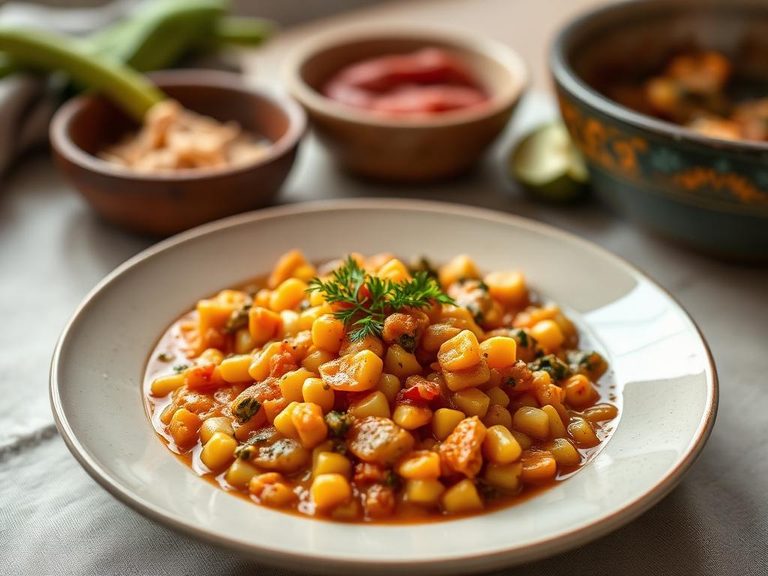
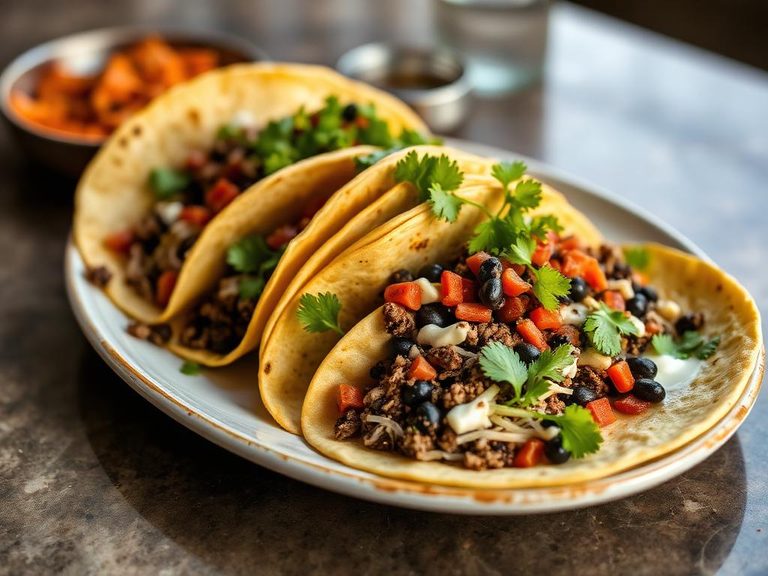
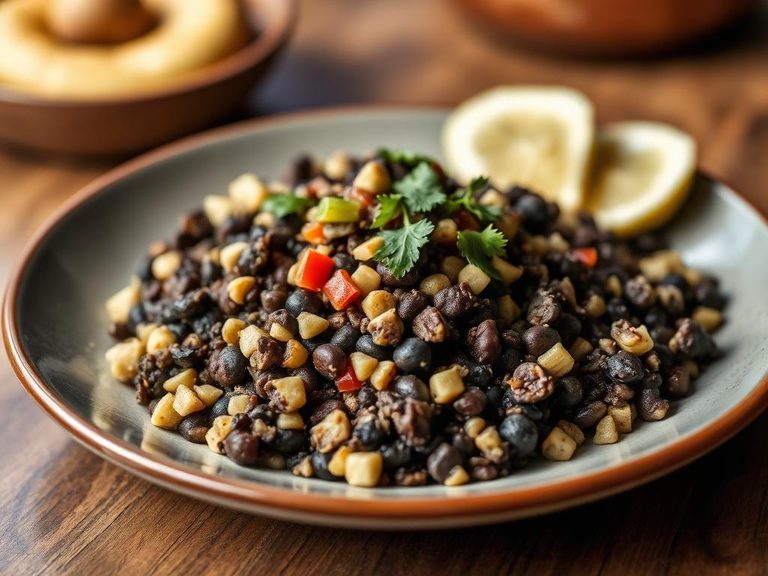
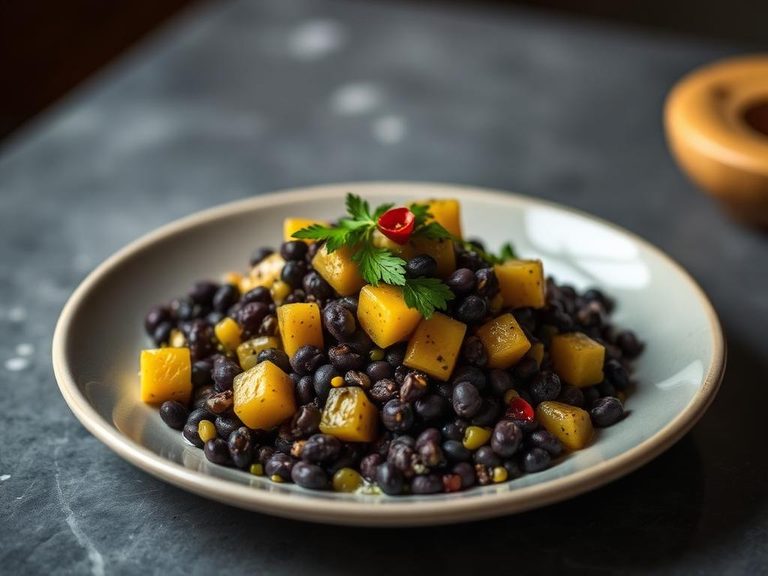
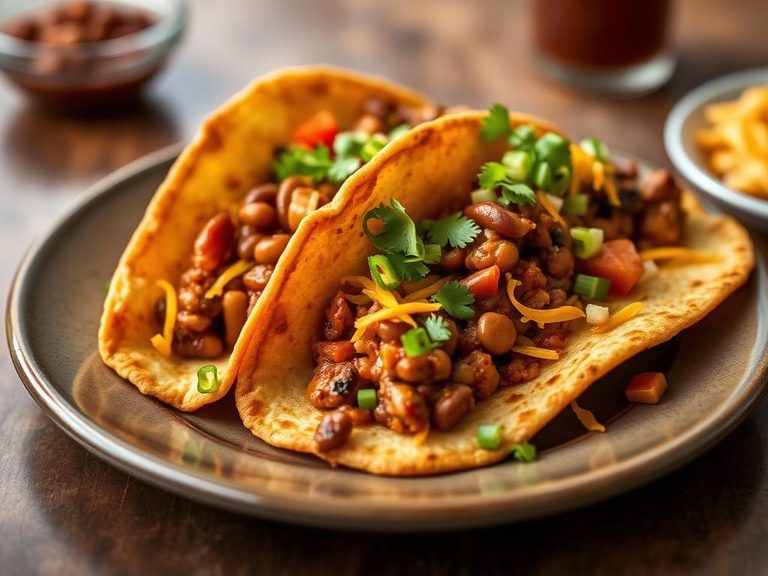
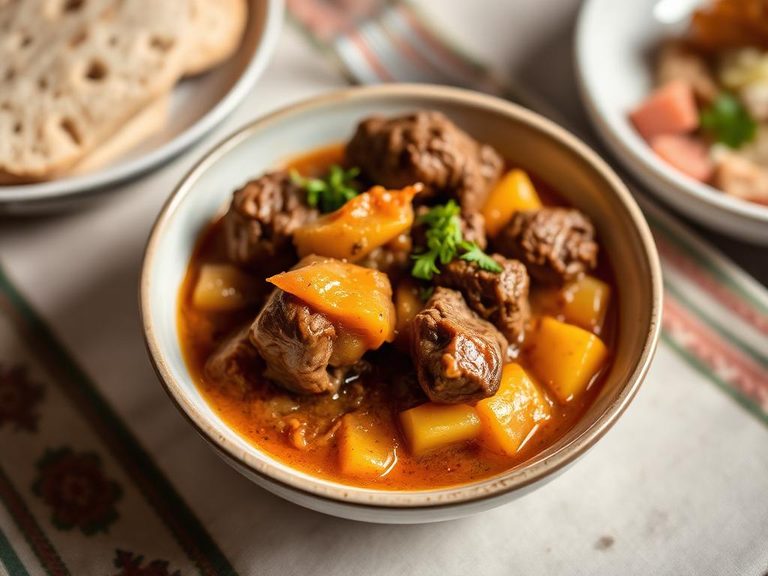
Navajo Corn Stew, also known as Tseyahdóóh, is a hearty, traditional stew from the Navajo Nation. It typically features hominy (nixtamalized corn), beans, and meat (often mutton or beef) simmered in a savory broth, sometimes with squash or potatoes.
🍽️ Nutrition at a glance
This stew is a well-balanced meal, providing a good mix of complex carbohydrates from corn and beans, along with protein from the meat and legumes. A typical serving offers substantial fiber, iron, and potassium, with a calorie range of approximately 300-400 kcal.
Nutrition breakdown
| Calories | 350 kcal |
| Protein | 20 g |
| Carbs | 40 g |
| Fat | 10 g |
| Fiber | 8 g |
| Sugar | 4 g |
| Sodium | 650 mg |
| Iron | 3.5 mg |
| Potassium | 500 mg |
| Calcium | 80 mg |
| Magnesium | 60 mg |
| Phosphorus | 250 mg |
| Vitamin B6 | 0.4 mg |
| Niacin (B3) | 5 mg |
| Zinc | 3 mg |
Per 1 cup (240 g) · estimated, varies by recipe
💡 What's interesting
Culturally, it's a significant dish often prepared for gatherings and ceremonies, reflecting the importance of corn in Navajo life. Nutritionally, the nixtamalization of the corn increases the bioavailability of niacin and calcium.