Natto
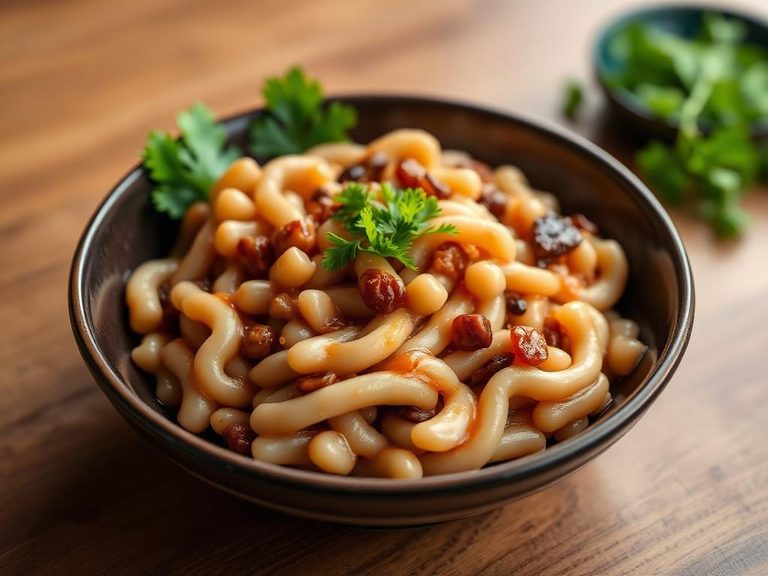
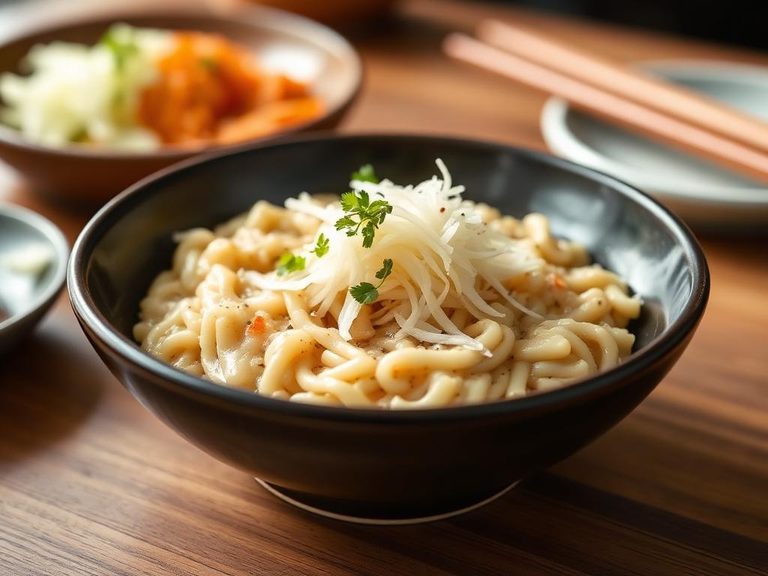
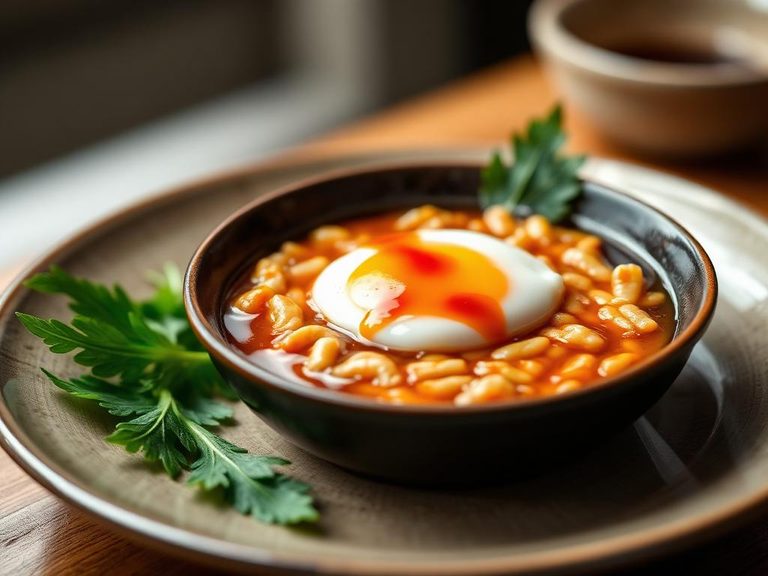
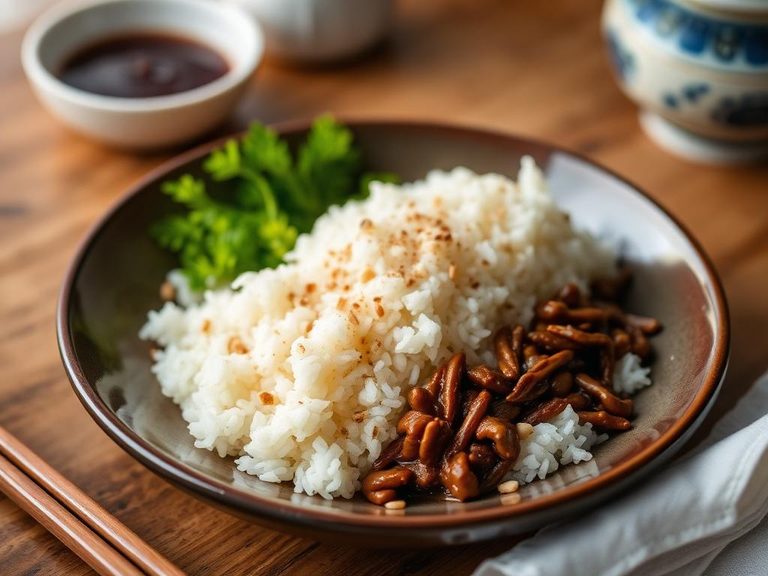
Natto is a traditional Japanese dish made from soybeans fermented with specific bacteria, resulting in a sticky, stringy texture and a strong, pungent aroma. It is typically seasoned with soy sauce and mustard and served over rice, often accompanied by chopped green onions or raw egg. This staple food has been consumed in Japan for centuries.
🍽️ Nutrition at a glance
Natto is a high-protein, low-fat food, making it an excellent source of plant-based protein and dietary fiber. It is particularly rich in vitamin K2, which supports bone health, and contains a unique enzyme called nattokinase. A typical 100-gram serving provides around 210 calories.
Nutrition breakdown
| Calories | 212 kcal |
| Protein | 17.7 g |
| Carbs | 14.4 g |
| Fat | 11 g |
| Fiber | 5.4 g |
| Sugar | 4.9 g |
| Sodium | 21 mg |
| Vitamin K | 40 mcg |
| Manganese | 1.5 mg |
| Copper | 0.6 mg |
| Magnesium | 81 mg |
| Iron | 2.0 mg |
| Zinc | 1.9 mg |
| Vitamin B6 | 0.2 mg |
| Thiamin (B1) | 0.1 mg |
Per 1/2 cup (100 g) · estimated, varies by recipe
💡 What's interesting
Culturally, natto is a beloved yet polarizing breakfast item in Japan, with regional variations and a dedicated fanbase. Nutritionally, its fermentation process creates beneficial probiotics and increases the bioavailability of nutrients, making it a functional food with potential digestive and cardiovascular benefits.