Mixed into hypoallergenic baby cereal
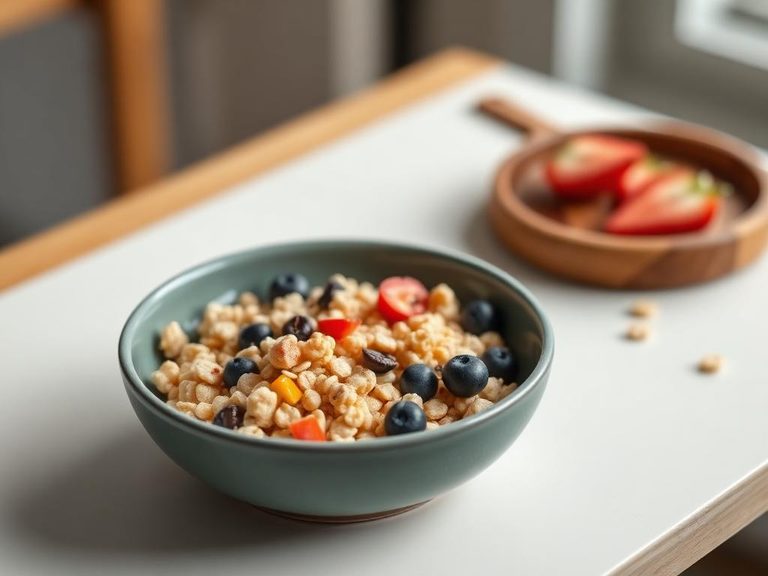
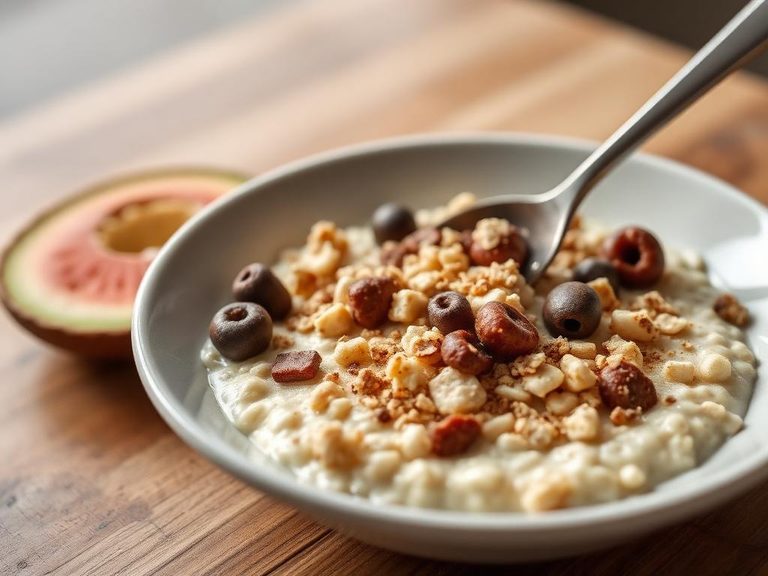
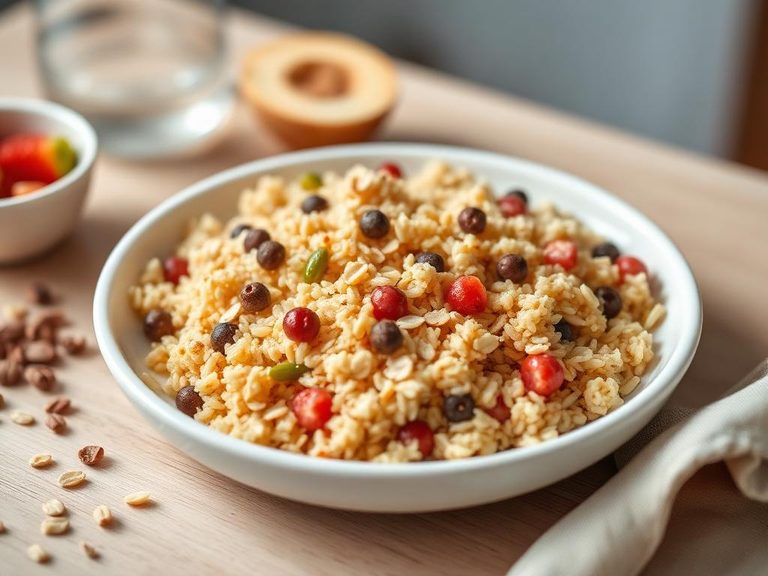
Mixed into hypoallergenic baby cereal is a simple, single-ingredient food made from finely milled, cooked grains like rice, oats, or barley, specifically processed to remove common allergens. It is designed as a safe first food for infants, often mixed with breast milk, formula, or water to create a smooth, easily digestible puree. This type of cereal is a staple in infant nutrition globally, originating from the need for gentle, nutrient-fortified foods during the weaning stage.
🍽️ Nutrition at a glance
This dish is primarily a source of easily digestible carbohydrates, providing energy for a growing baby, with minimal fat and protein. It is typically fortified with essential vitamins and minerals like iron and zinc, and a standard serving contains roughly 50-70 calories.
Nutrition breakdown
| Calories | 60 kcal |
| Protein | 1.5 g |
| Carbs | 12 g |
| Fat | 0.5 g |
| Fiber | 1 g |
| Sugar | 0 g |
| Sodium | 10 mg |
| Iron | 4 mg |
| Zinc | 2 mg |
| Calcium | 100 mg |
| Vitamin D | 1 mcg |
| Thiamin (B1) | 0.3 mg |
| Riboflavin (B2) | 0.3 mg |
| Niacin (B3) | 4 mg |
| Folic Acid | 50 mcg |
Per 1 cup (240 g) prepared with water · estimated, varies by recipe
💡 What's interesting
Hypoallergenic baby cereals are unique because they undergo specialized processing to remove or break down proteins that commonly trigger allergies, making them a critical first food for babies with sensitive systems or family histories of allergies. Nutritionally, they are often one of the first foods a baby encounters that is intentionally fortified with iron, a nutrient crucial for brain development that is not abundant in breast milk after six months.