Marinade for fish or poultry
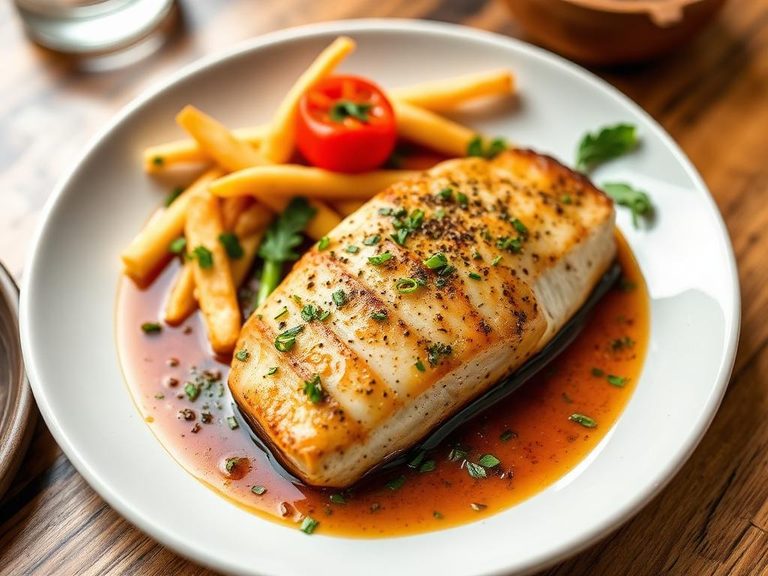
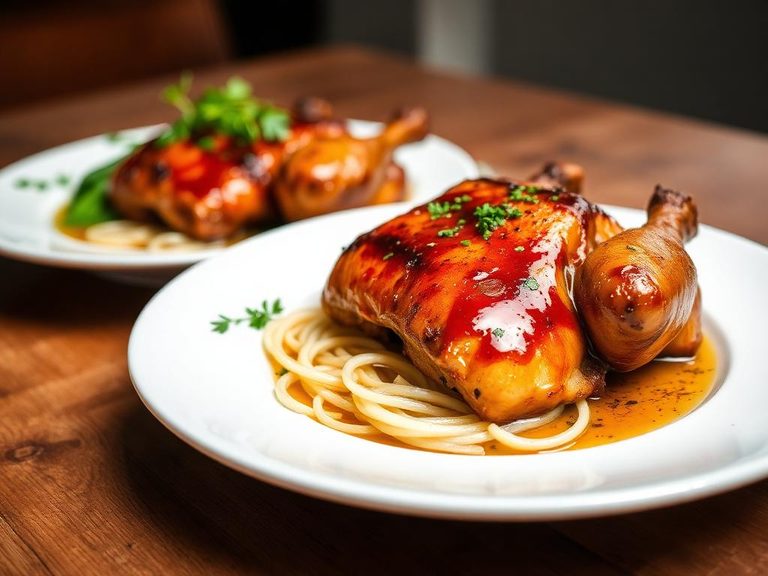
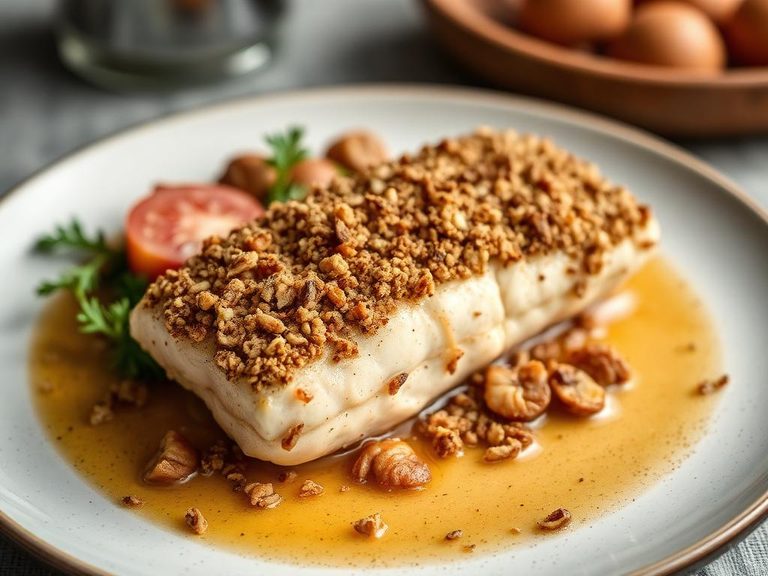
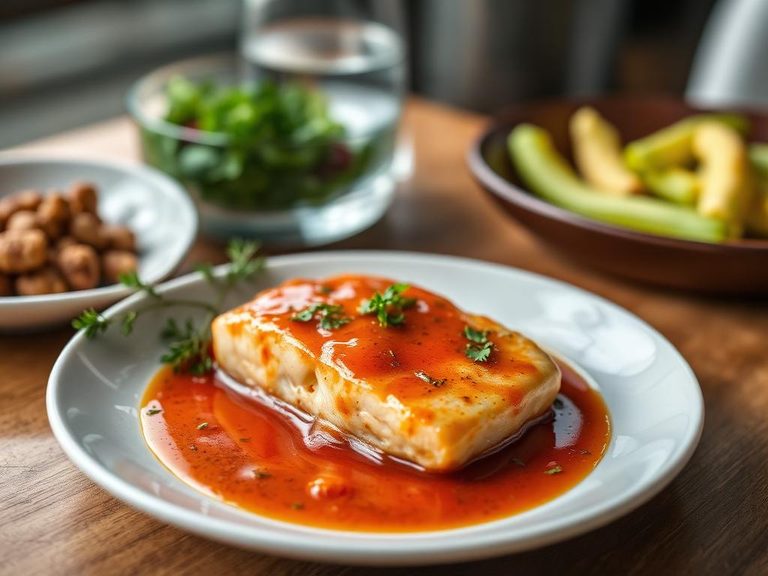
A marinade for fish or poultry is a flavorful liquid mixture used to tenderize and season proteins before cooking. It typically combines acidic elements like citrus juice or vinegar with herbs, spices, and oil. This preparation method is common in cuisines worldwide, from Mediterranean to Southeast Asian.
🍽️ Nutrition at a glance
This marinade is generally low in carbohydrates and fat, with minimal calories per serving, as it's used in small amounts. It primarily adds flavor and can contribute small amounts of vitamins and antioxidants from herbs and citrus.
Nutrition breakdown
| Calories | 45 kcal |
| Protein | 0.5 g |
| Carbs | 3 g |
| Fat | 3.5 g |
| Fiber | 0.5 g |
| Sugar | 1.5 g |
| Sodium | 580 mg |
| Sodium | 580 mg |
| Potassium | 45 mg |
| Vitamin C | 3 mg |
| Iron | 0.4 mg |
| Calcium | 15 mg |
| Magnesium | 8 mg |
| Phosphorus | 20 mg |
| Manganese | 0.1 mg |
Per 1/4 cup (60 g) · estimated, varies by recipe
💡 What's interesting
Marinades work by using acid to break down protein fibers, making meat more tender, while also infusing it with flavor. Culturally, the specific ingredients in a marinade can define a dish's regional identity, such as the use of soy sauce and ginger in Asian cuisine or lemon and oregano in Greek preparations.