Low-carb smoothies
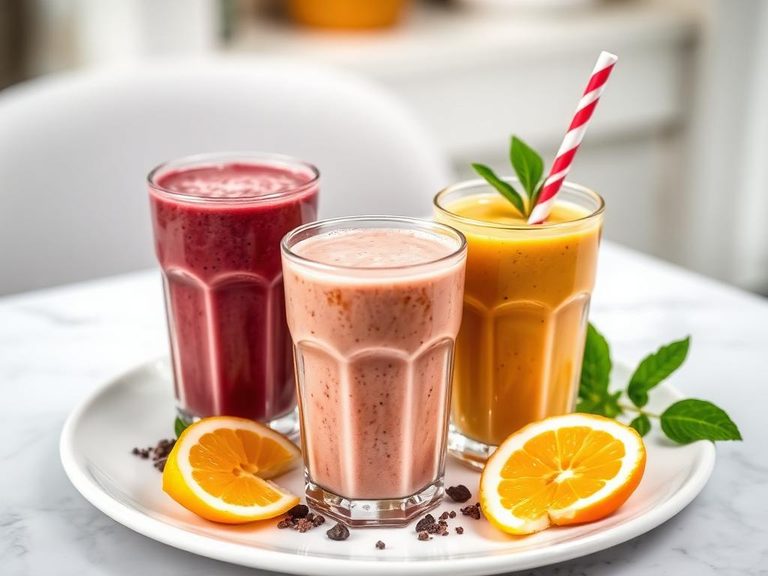
Low-carb smoothies are blended beverages designed to minimize sugar and starch content, typically using ingredients like leafy greens, avocado, nuts, seeds, and low-glycemic fruits such as berries, often combined with unsweetened plant-based milk or water. They are a modern dietary adaptation popular in health-conscious and ketogenic communities worldwide, with roots in the broader smoothie culture that originated in the United States in the 20th century.
🍽️ Nutrition at a glance
These smoothies are generally low in carbohydrates, moderate to high in healthy fats and protein, and rich in fiber, vitamins (like A, C, K), and minerals (such as magnesium and potassium). A typical serving ranges from 150 to 300 calories, depending on ingredients like nuts, seeds, or protein powders.
Nutrition breakdown
| Calories | 120 kcal |
| Protein | 8 g |
| Carbs | 10 g |
| Fat | 6 g |
| Fiber | 4 g |
| Sugar | 4 g |
| Sodium | 80 mg |
| Vitamin A | 300 mcg RAE |
| Vitamin C | 25 mg |
| Vitamin K | 40 mcg |
| Folate | 60 mcg |
| Calcium | 150 mg |
| Magnesium | 40 mg |
| Potassium | 350 mg |
| Iron | 1.5 mg |
Per 1 cup (240 g) · estimated, varies by recipe
💡 What's interesting
Culturally, they represent a shift towards functional eating, blending convenience with nutrition to support blood sugar management and sustained energy. Nutritionally, their uniqueness lies in using whole-food ingredients to create a creamy texture without relying on high-carb thickeners, making them a staple in low-carb and diabetic-friendly diets.