Korean-style Galbi-jjim
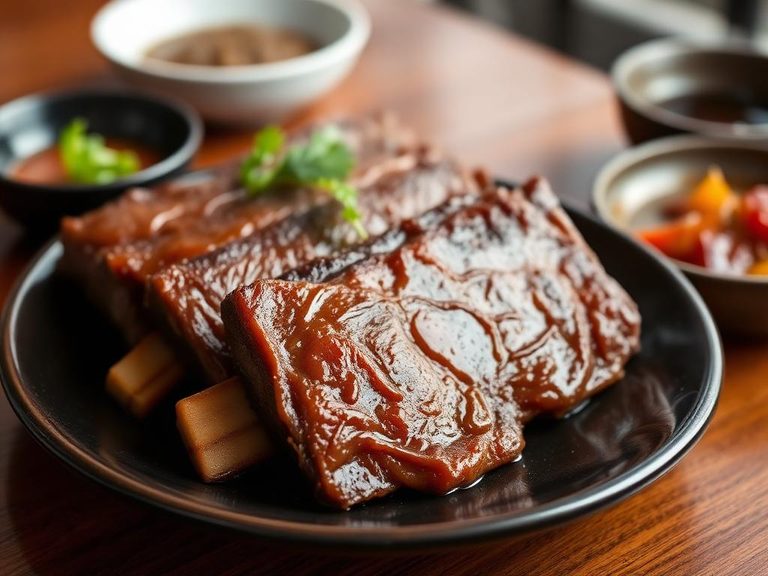
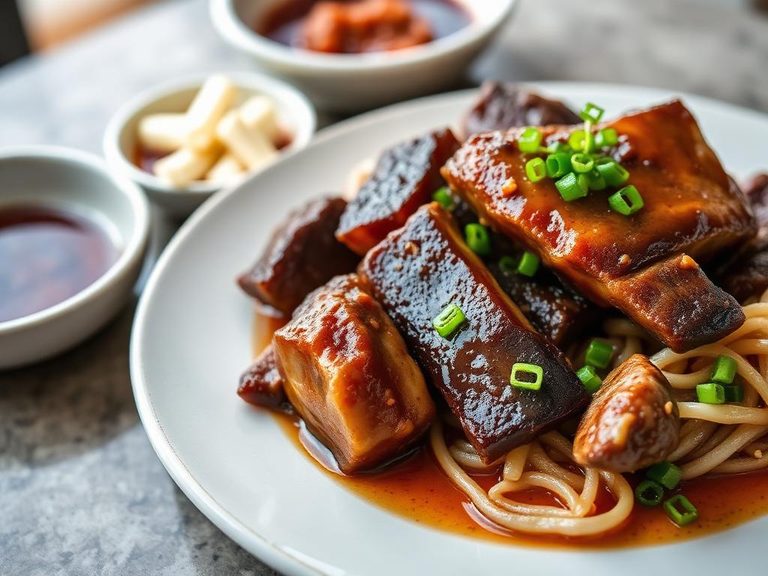
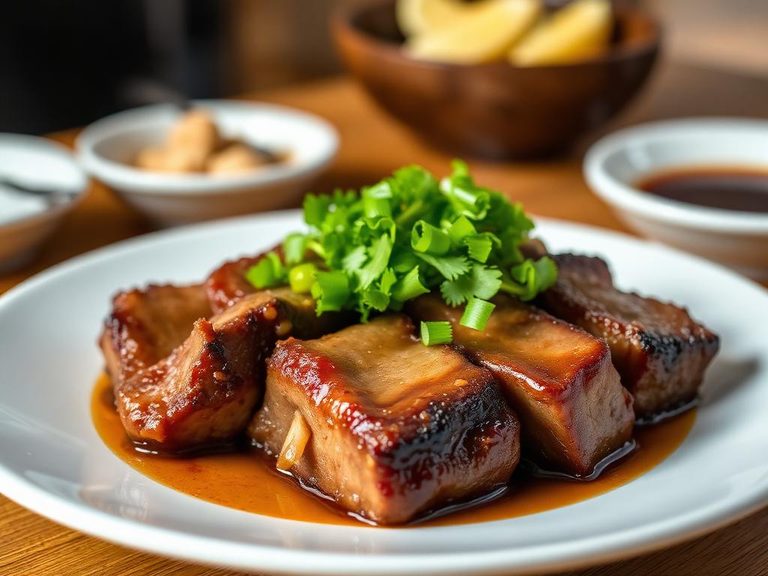
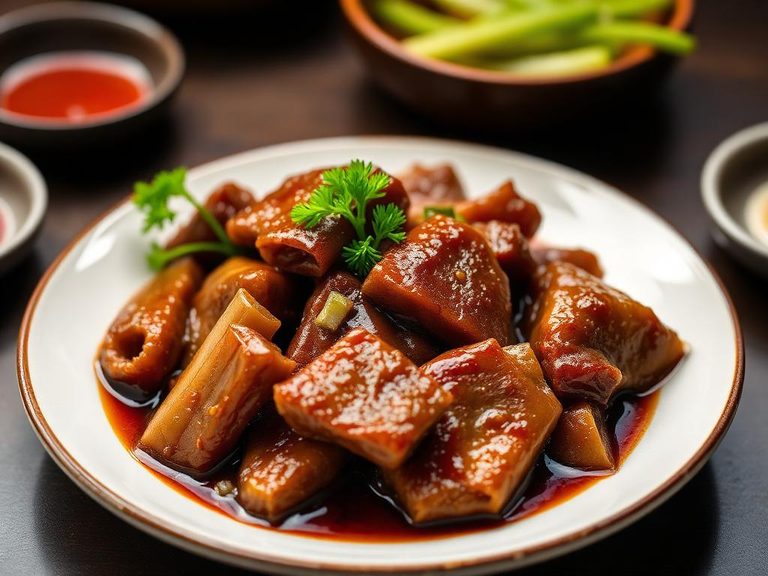
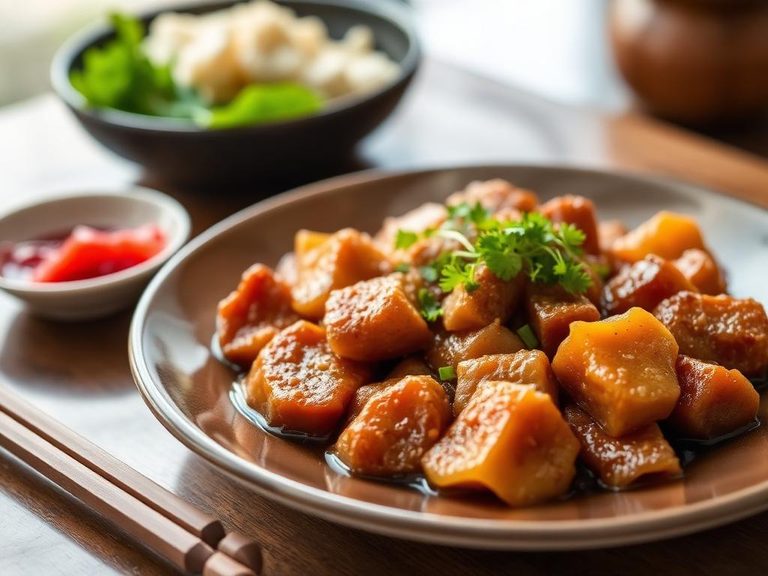
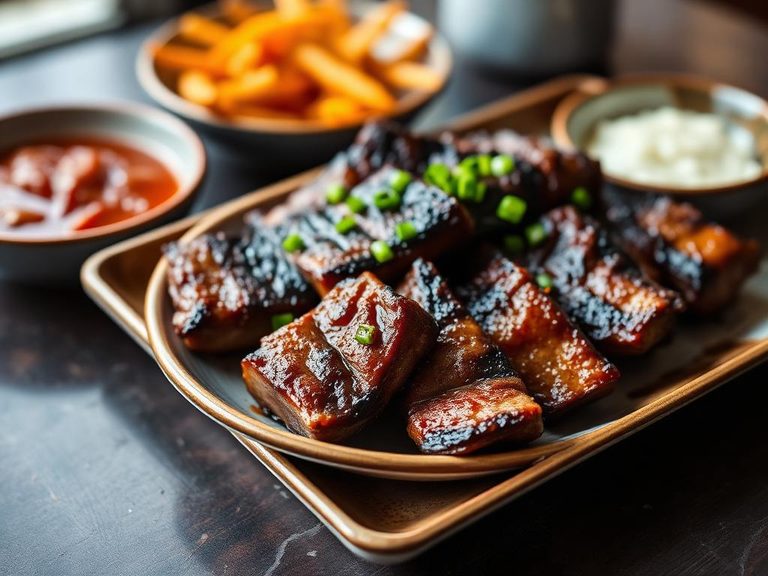
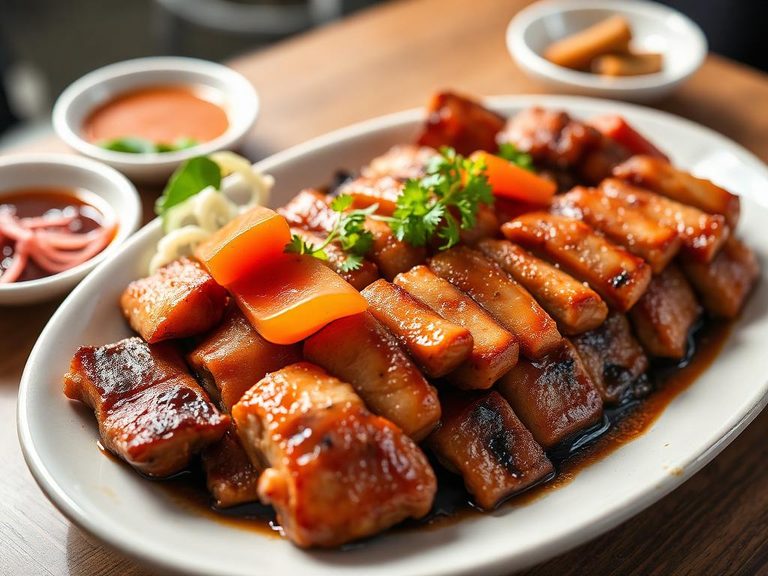
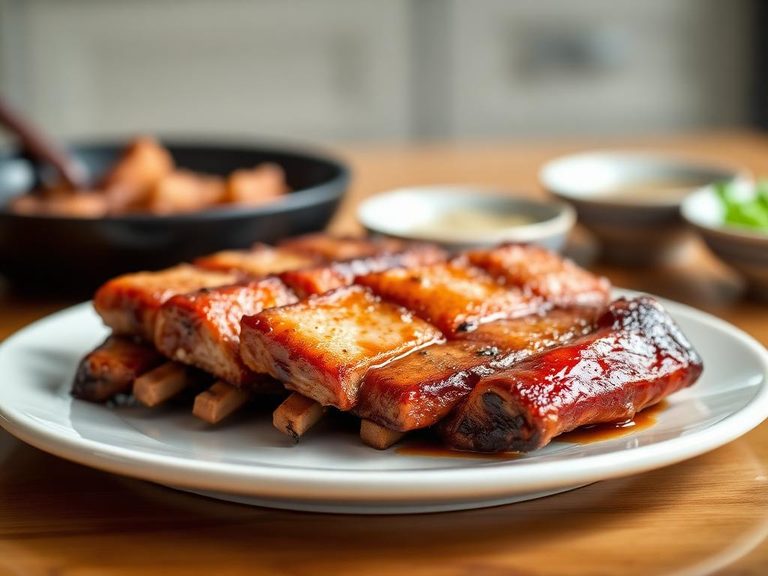
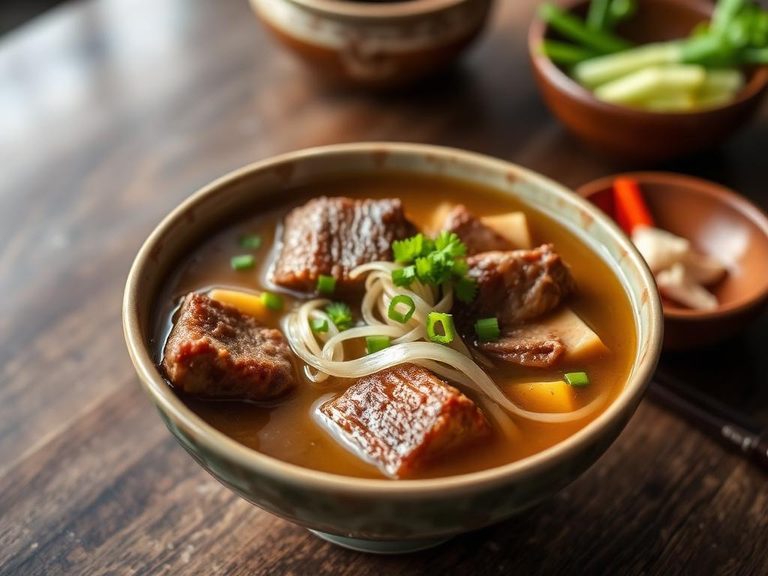
Galbi-jjim is a beloved Korean braised short rib dish where meaty beef ribs are slow-cooked in a savory-sweet sauce until fall-off-the-bone tender. The dish typically features a rich blend of soy sauce, sugar or pear puree, garlic, ginger, and sesame oil, often with added vegetables like carrots, potatoes, and shiitake mushrooms. It originates from Korean cuisine and is a celebratory staple, often served during holidays and special family gatherings.
🍽️ Nutrition at a glance
This dish is high in protein from the beef ribs and also contains significant fat, especially if the ribs are not trimmed, with a moderate amount of carbohydrates from the sweeteners and any added vegetables. Key nutrients include iron, zinc, and B vitamins from the beef, along with some fiber if served with vegetables. A typical serving can range from 400 to 600 calories, depending on the cut of meat and sauce richness.
Nutrition breakdown
| Calories | 450 kcal |
| Protein | 35 g |
| Carbs | 20 g |
| Fat | 25 g |
| Fiber | 2 g |
| Sugar | 12 g |
| Sodium | 800 mg |
| Potassium | 500 mg |
| Iron | 4 mg |
| Zinc | 8 mg |
| Vitamin B12 | 2.5 mcg |
| Niacin (B3) | 8 mg |
| Phosphorus | 280 mg |
| Selenium | 30 mcg |
| Vitamin B6 | 0.6 mg |
Per 1 cup (240 g) · estimated, varies by recipe
💡 What's interesting
Culturally, galbi-jjim is a symbol of hospitality and abundance in Korean cuisine, often prepared for major celebrations like Lunar New Year (Seollal) and the harvest festival (Chuseok). Nutritionally, the slow braising process helps break down collagen in the ribs, making the meat more tender and potentially easier to digest, while the use of ingredients like pear puree in the marinade can act as a natural tenderizer.