Japanese Gyūtan
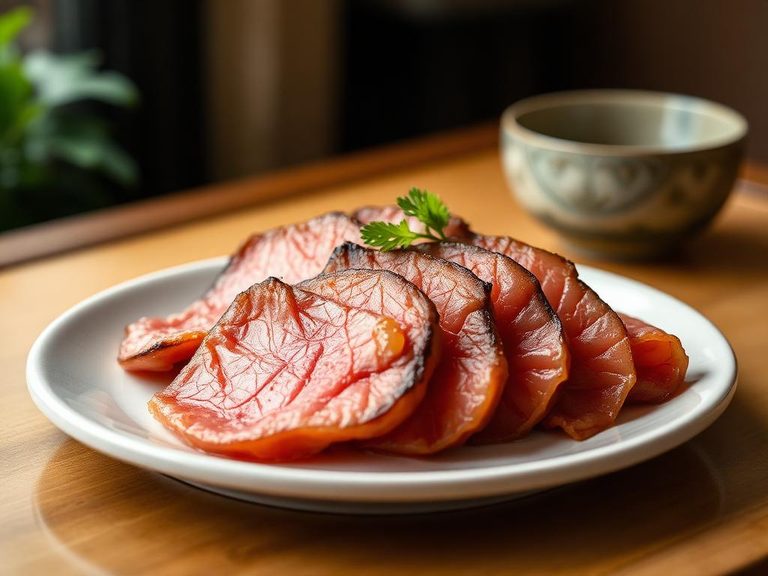
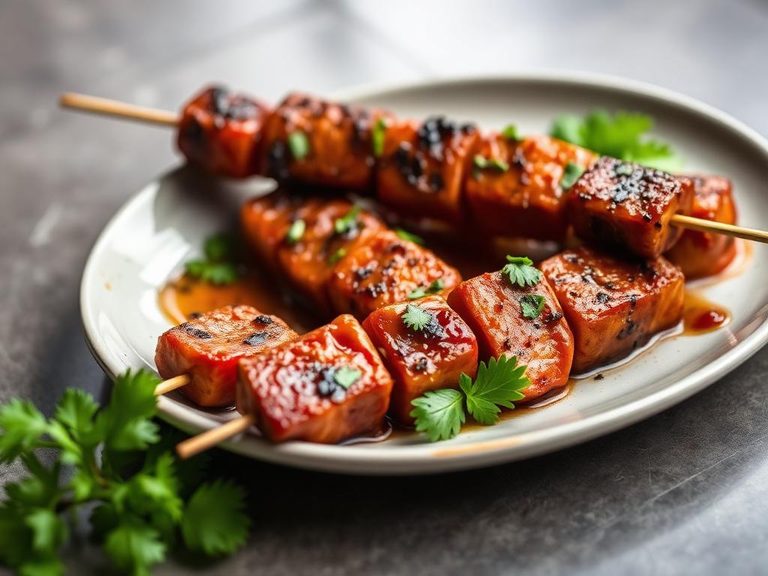
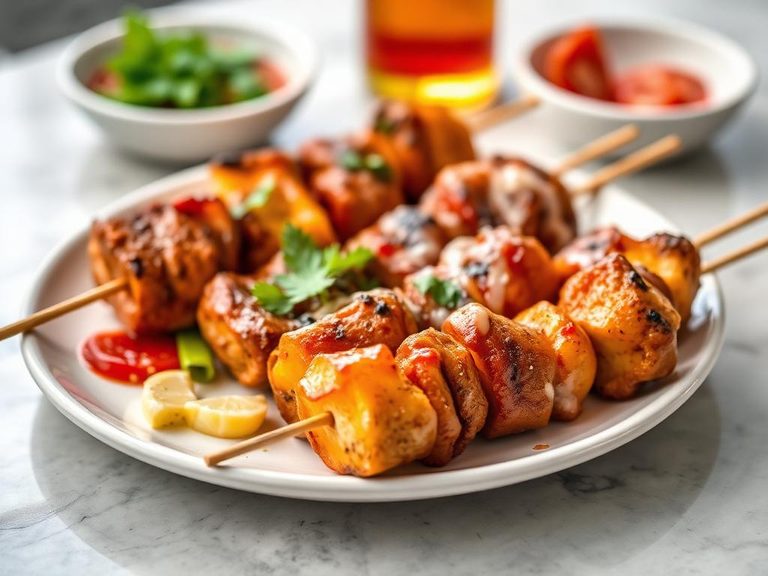
Gyūtan is a Japanese dish featuring grilled beef tongue, typically from the thicker, more tender base of the tongue. It originated in Sendai, Miyagi Prefecture, after World War II, where it was popularized as a way to use a less common cut of meat. The dish is often served with barley rice, pickled vegetables, and a side of tail soup.
🍽️ Nutrition at a glance
Gyūtan is a high-protein dish with a moderate amount of fat, and it is very low in carbohydrates. It is a good source of iron, zinc, and B vitamins, particularly B12. A typical serving of grilled gyūtan (about 100-150g) provides roughly 200-300 calories.
Nutrition breakdown
| Calories | 350 kcal |
| Protein | 30 g |
| Carbs | 2 g |
| Fat | 25 g |
| Fiber | 0 g |
| Sugar | 0 g |
| Sodium | 800 mg |
| Iron | 4.5 mg |
| Zinc | 8 mg |
| Vitamin B12 | 12 mcg |
| Niacin (B3) | 15 mg |
| Phosphorus | 350 mg |
| Selenium | 30 mcg |
| Potassium | 350 mg |
| Vitamin B6 | 0.8 mg |
Per 1 serving (150 g) · estimated, varies by recipe
💡 What's interesting
Culturally, gyūtan is a prime example of *yoshoku* (Western-influenced Japanese cuisine) born from post-war resourcefulness, transforming a humble cut into a regional delicacy. Nutritionally, beef tongue is surprisingly lean and tender when prepared correctly, offering a dense nutrient profile that contrasts with its rich, savory flavor.