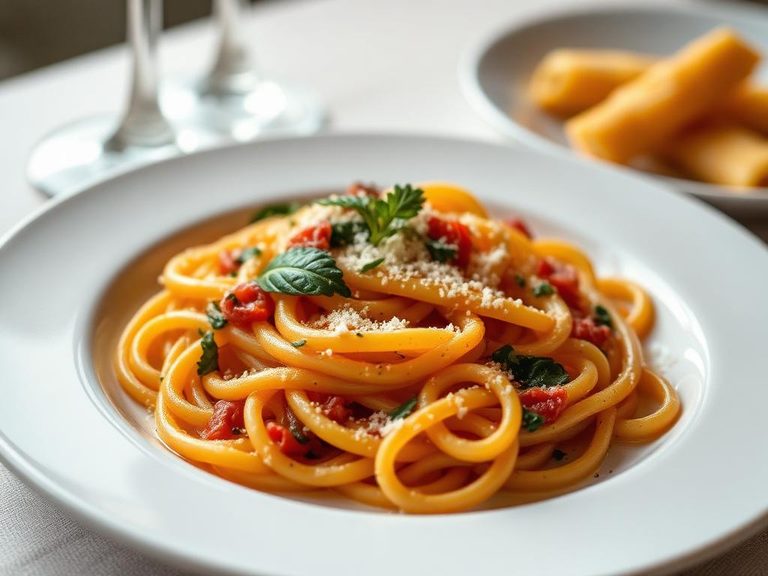
In pasta sauces for added richness
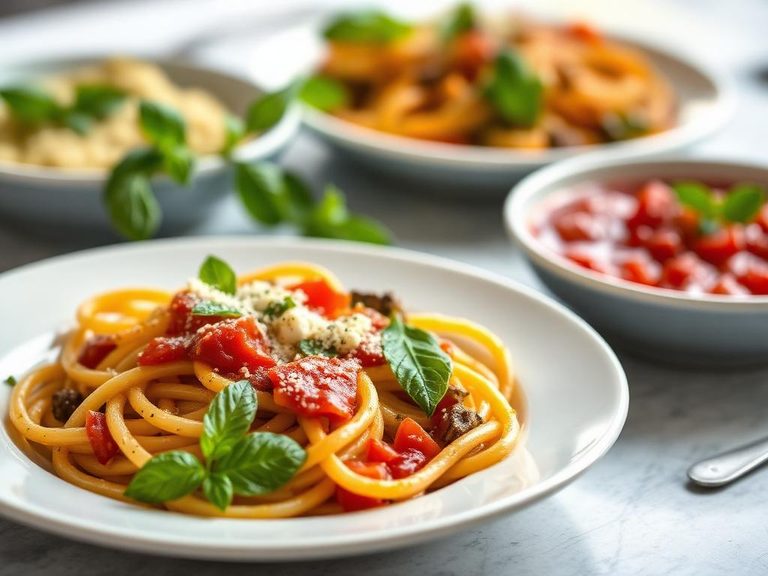
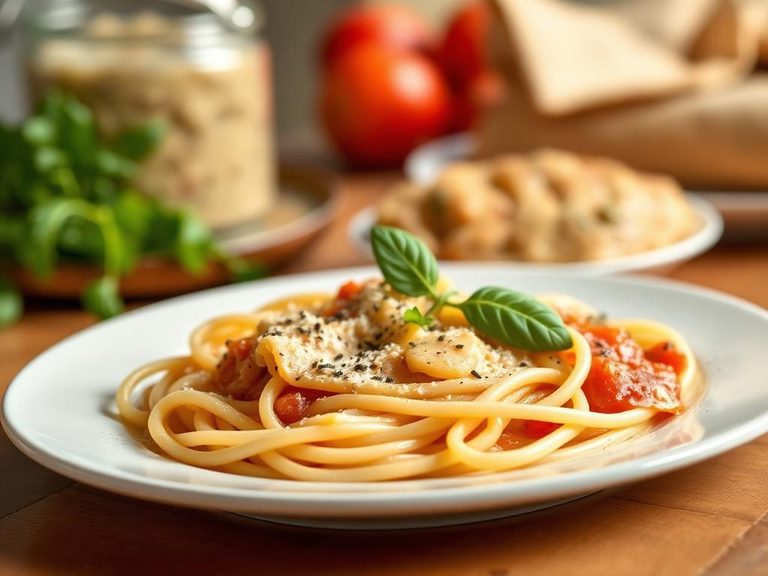
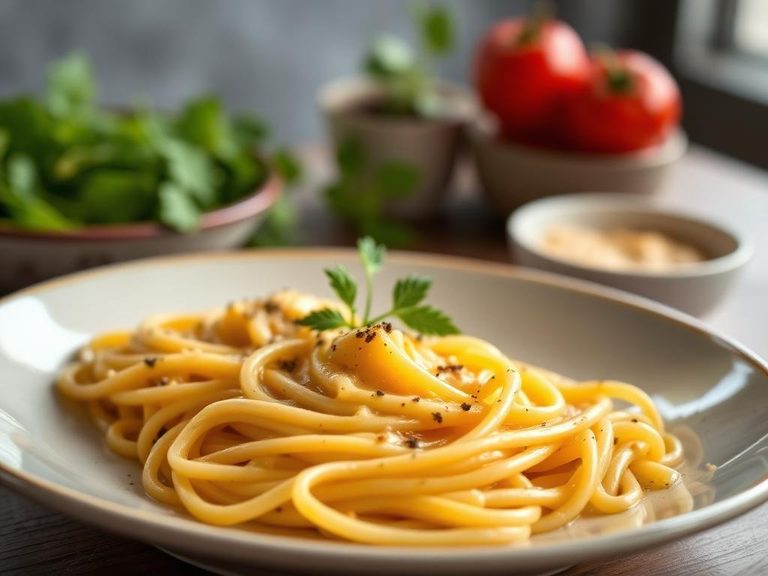
This refers to the practice of enriching pasta sauces with ingredients like butter, cream, cheese, or egg yolks to create a richer, more velvety texture and deeper flavor. Common examples include the creamy Alfredo sauce from Italy or the egg-based Carbonara. It's a technique used across various cuisines, but is particularly prominent in Italian and Italian-American cooking.
🍽️ Nutrition at a glance
Sauces made for added richness are typically high in fat and calories, with a moderate amount of protein if dairy or eggs are used. They provide significant amounts of calcium, vitamin A, and phosphorus from the dairy components, with a single serving often ranging from 200 to 400 calories.
Nutrition breakdown
| Calories | 280 kcal |
| Protein | 5 g |
| Carbs | 4 g |
| Fat | 28 g |
| Fiber | 0 g |
| Sugar | 1 g |
| Sodium | 450 mg |
| Calcium | 150 mg |
| Vitamin A | 200 IU |
| Phosphorus | 100 mg |
| Vitamin B12 | 0.3 mcg |
| Riboflavin (B2) | 0.1 mg |
| Selenium | 4 mcg |
| Vitamin D | 15 IU |
| Cholesterol | 85 mg |
Per 1/2 cup (125 g) · estimated, varies by recipe
💡 What's interesting
Culturally, the use of rich, fatty ingredients in pasta sauce was historically a way to add calories and flavor in a dense, satisfying meal. Nutritionally, these sauces can transform a simple carbohydrate dish into a more balanced, albeit calorie-dense, source of energy and fat-soluble vitamins.