

Ice Lolly
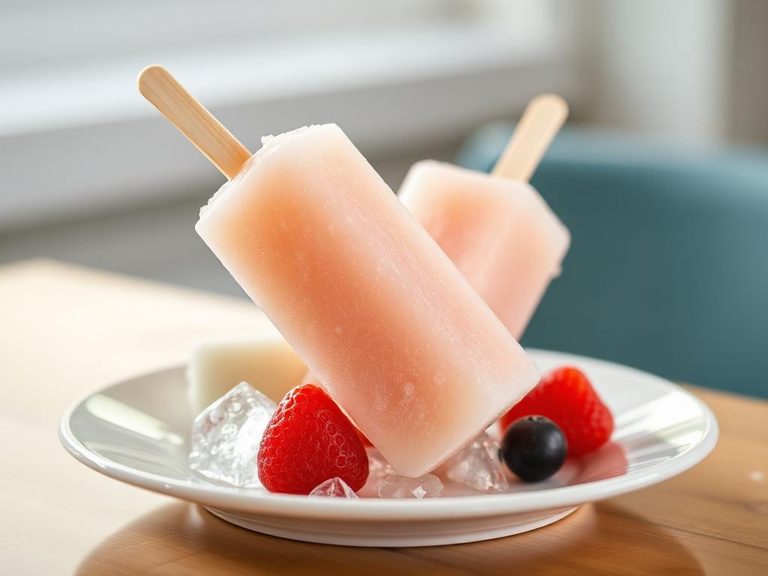
An ice lolly, also known as a popsicle or ice pop, is a frozen treat made from flavored liquid, typically fruit juice, water, or dairy, frozen around a stick. It originated in the United States in the early 20th century and is now a global summertime staple enjoyed for its refreshing simplicity.
🍽️ Nutrition at a glance
Ice lollies are generally high in carbohydrates, primarily from added sugars, and contain minimal fat and protein. A standard serving typically provides a quick source of energy and hydration, with calories ranging from 40 to 80 kcal depending on the recipe.
Nutrition breakdown
| Calories | 70 kcal |
| Protein | 0 g |
| Carbs | 17 g |
| Fat | 0 g |
| Fiber | 0 g |
| Sugar | 16 g |
| Sodium | 10 mg |
| Vitamin C | 10 mg |
| Potassium | 20 mg |
| Calcium | 5 mg |
| Iron | 0.1 mg |
| Magnesium | 2 mg |
| Phosphorus | 5 mg |
| Zinc | 0.05 mg |
| Niacin (B3) | 0.1 mg |
Per 1 ice lolly (80 g) · estimated, varies by recipe
💡 What's interesting
The ice lolly's invention is famously attributed to an 11-year-old boy who accidentally left a cup of soda with a stirrer outside on a freezing night. Nutritionally, they are often used as a clever way to increase fluid intake or sneak in fruit purees for children.
🍽️ Related dishes

AI estimate may be inaccurate · Terms