

Homemade infant formula recipes
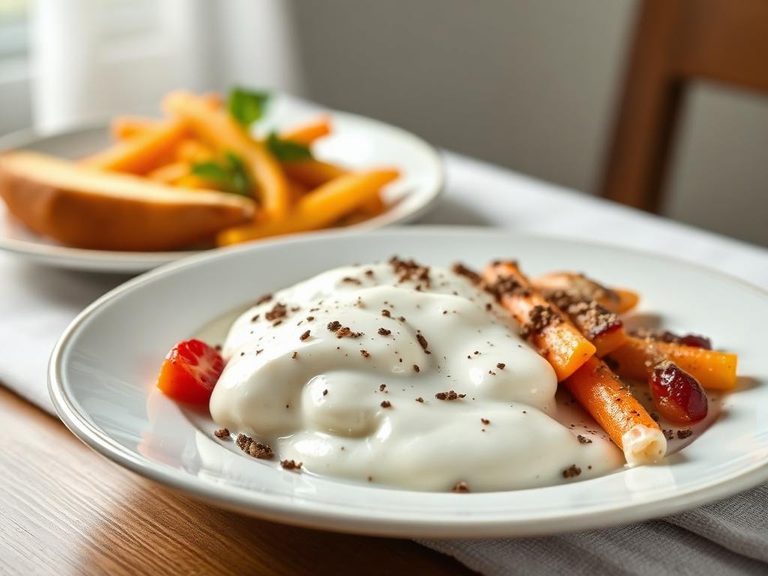
Homemade infant formula recipes are DIY nutritional preparations intended as alternatives to commercial formulas or breast milk, typically using ingredients like goat's milk, cow's milk, or plant-based milks combined with supplements such as cod liver oil, nutritional yeast, and probiotics. These recipes originated from natural health and parenting communities, particularly in North America and Europe, as part of a broader movement toward whole-food and unprocessed diets for infants.
🍽️ Nutrition at a glance
These recipes are generally high in fat and protein to support infant growth, with carbohydrates varying based on the base milk used. They aim to provide key nutrients like calcium, iron, and vitamins A and D, though they often require careful supplementation to meet all nutritional needs, and calorie counts can range from 20 to 30 calories per ounce depending on the specific ingredients.
Nutrition breakdown
| Calories | 120 kcal |
| Protein | 3.5 g |
| Carbs | 13 g |
| Fat | 6 g |
| Fiber | 0 g |
| Sugar | 12 g |
| Sodium | 45 mg |
| Calcium | 130 mg |
| Iron | 1.8 mg |
| Potassium | 180 mg |
| Vitamin A | 100 mcg RAE |
| Vitamin D | 2.5 mcg |
| Vitamin E | 1.5 mg |
| Vitamin K | 8 mcg |
| Zinc | 1.2 mg |
Per 1 cup (240 g) · estimated, varies by recipe
💡 What's interesting
Culturally, these recipes reflect a growing trend among some parents to personalize infant nutrition and avoid commercial products, but they are controversial in medical communities due to risks of nutrient imbalances. Nutritionally, they highlight the complexity of replicating breast milk's unique composition, which contains not just nutrients but also antibodies and enzymes that are difficult to mimic at home.
🍽️ Related dishes
AI estimate may be inaccurate · Terms