

Homemade Baby Food Thinner
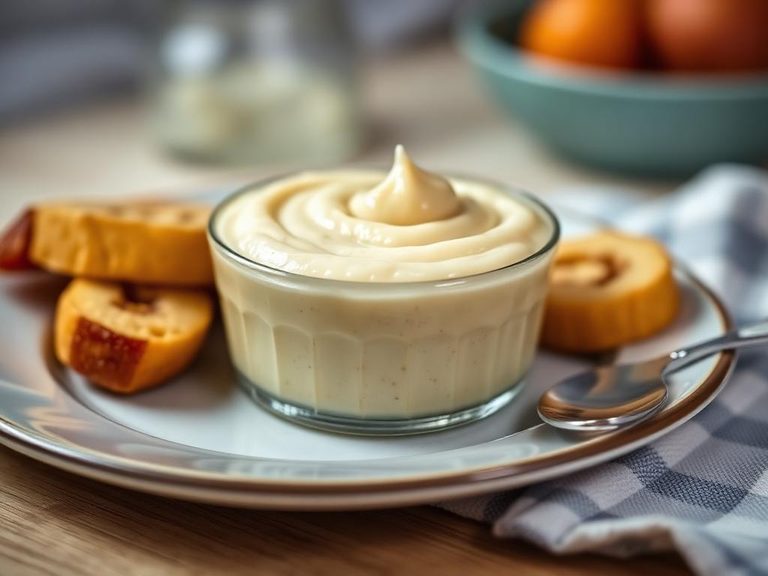
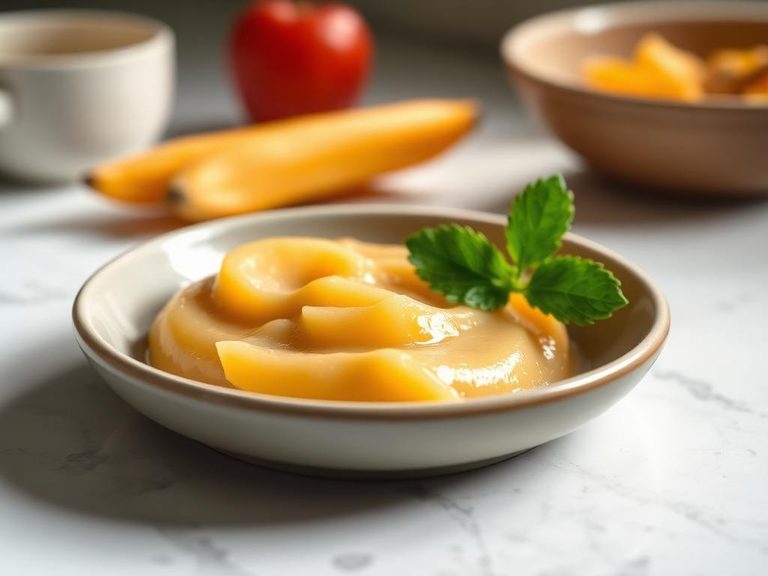
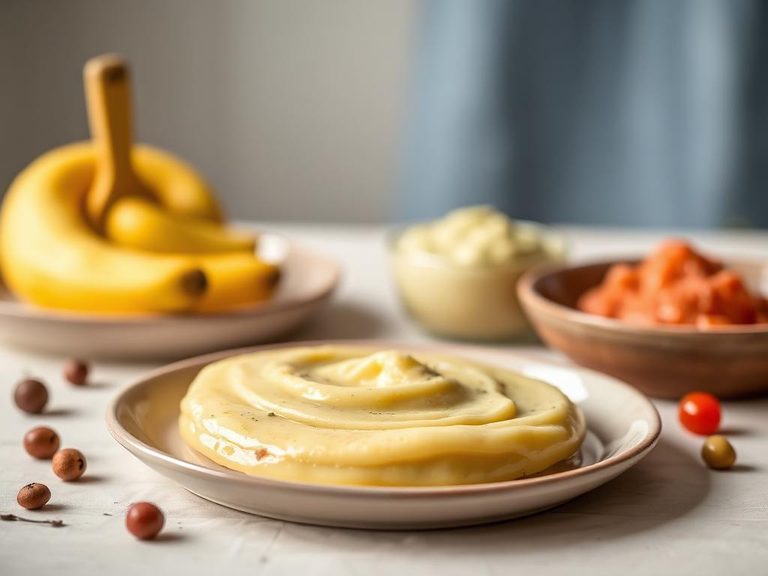
Homemade Baby Food Thinner is not a specific dish, but rather a technique or method used by caregivers worldwide to adjust the consistency of homemade baby food. It typically involves blending or mashing cooked foods like fruits, vegetables, or grains and then thinning them with breast milk, formula, water, or broth to achieve a smoother, more liquid texture suitable for infants transitioning to solids. This practice is common in many cultures that prioritize fresh, homemade meals for babies.
🍽️ Nutrition at a glance
The nutritional profile varies widely based on the base ingredients, but it is generally designed to be nutrient-dense, providing essential vitamins, minerals, and carbohydrates for energy. A typical serving might range from 50 to 150 calories, depending on whether it's fruit-based, vegetable-based, or includes grains or proteins.
Nutrition breakdown
| Calories | 45 kcal |
| Protein | 1.2 g |
| Carbs | 10 g |
| Fat | 0.3 g |
| Fiber | 1.5 g |
| Sugar | 3 g |
| Sodium | 10 mg |
| Vitamin A | 120 mcg |
| Vitamin C | 15 mg |
| Calcium | 20 mg |
| Iron | 0.4 mg |
| Potassium | 180 mg |
| Vitamin B6 | 0.1 mg |
| Folate | 25 mcg |
| Magnesium | 12 mg |
Per 1/2 cup (120 g) · estimated, varies by recipe
💡 What's interesting
This method is nutritionally interesting because it allows caregivers to control texture and introduce a wide variety of flavors and nutrients early on, potentially influencing a child's acceptance of diverse foods. Culturally, it reflects a global emphasis on fresh, unprocessed foods for infants, contrasting with commercial baby food products.
🍽️ Related dishes
AI estimate may be inaccurate · Terms