

Grape reduction sauce for meats
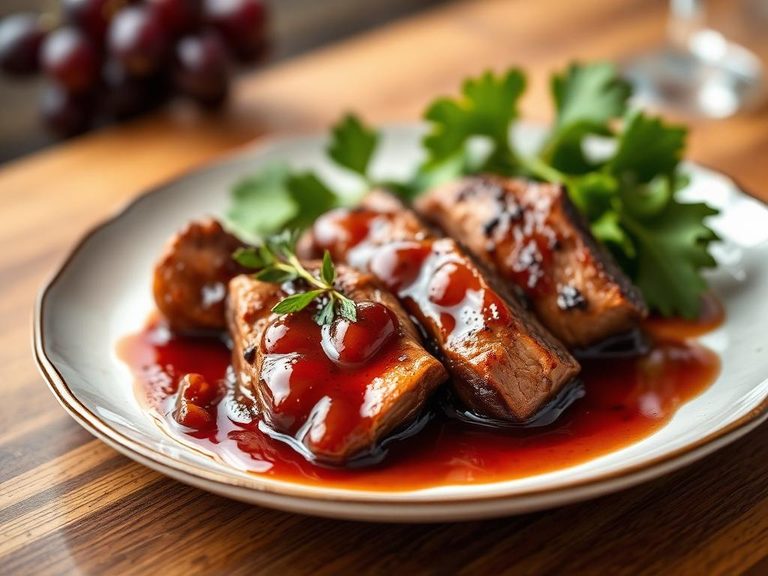
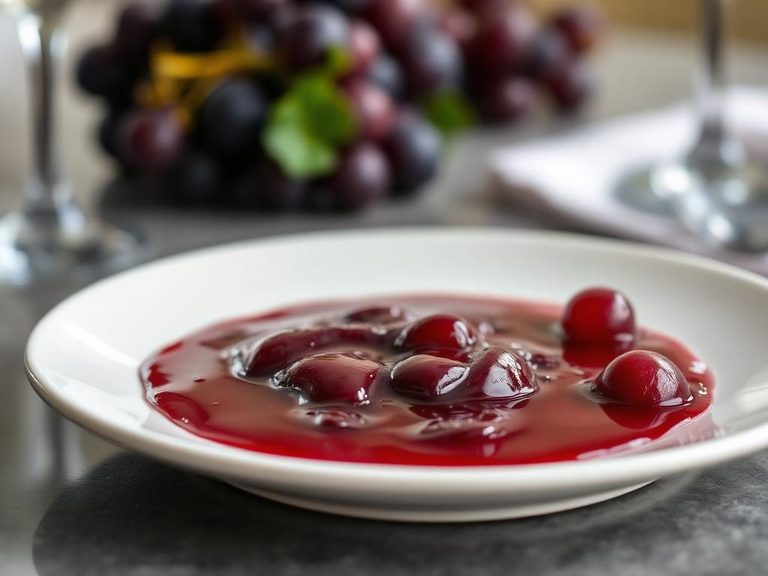
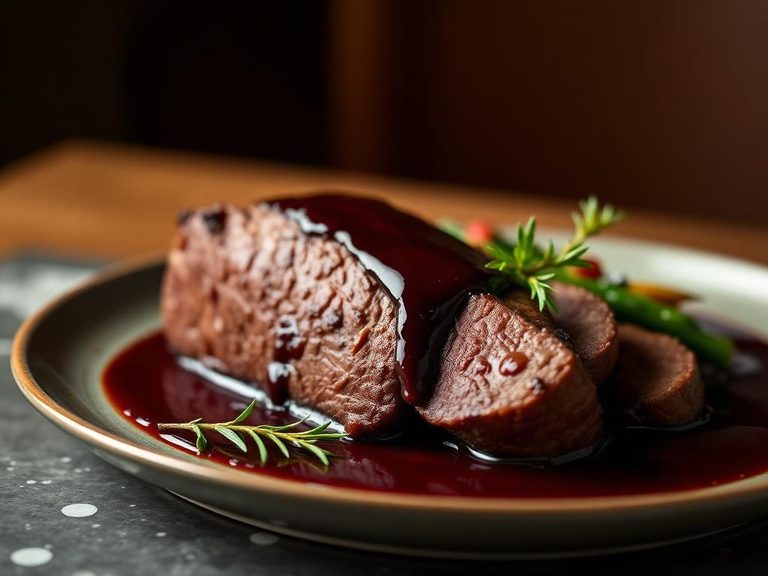
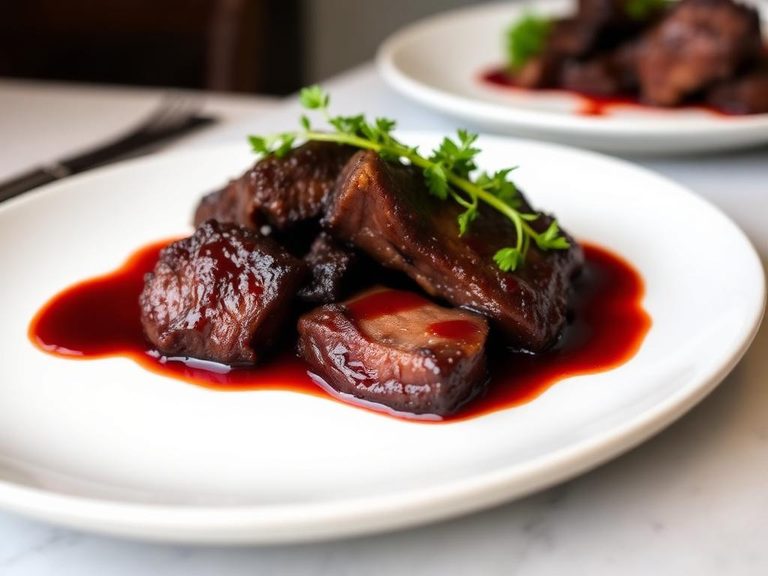
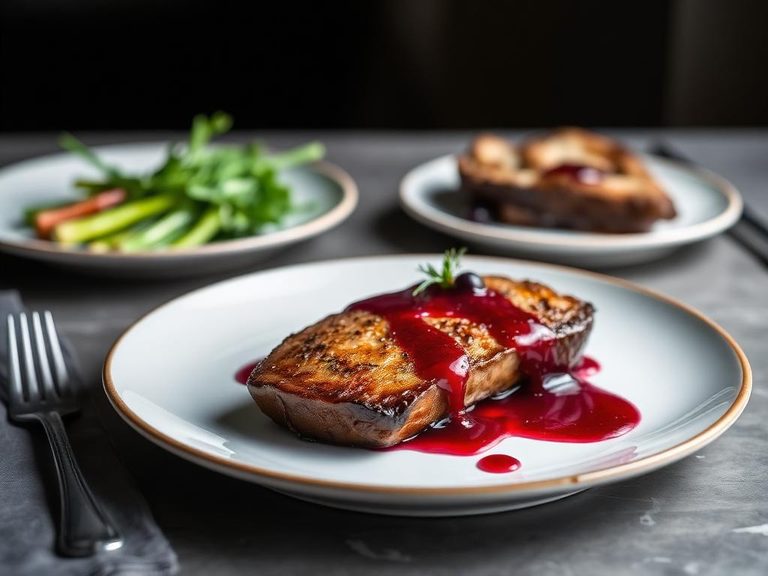
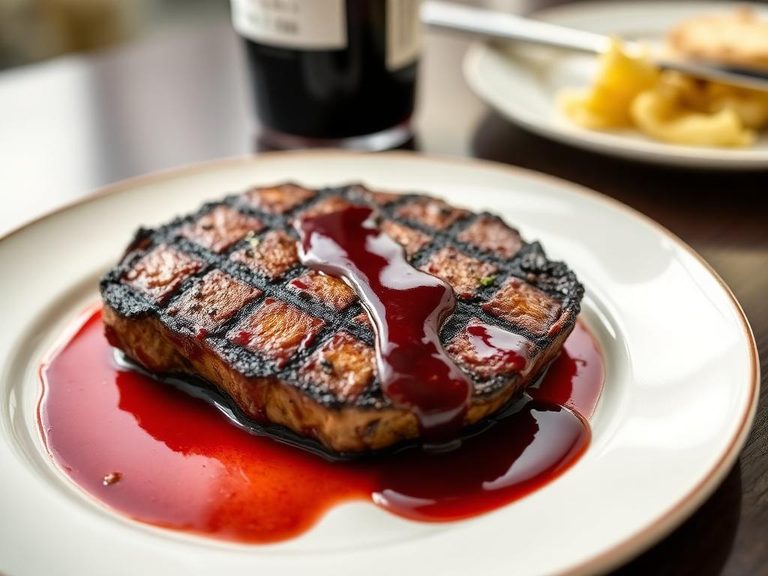
A grape reduction sauce for meats is a rich, glossy condiment made by simmering grapes (often red wine grapes or fresh grapes) with aromatics, vinegar, and sometimes stock until it thickens into a syrupy consistency. It is a classic French-inspired sauce, commonly used to accompany roasted or grilled meats like duck, pork, or lamb, and is popular in modern Western cuisine.
🍽️ Nutrition at a glance
This sauce is primarily a source of carbohydrates from natural fruit sugars, with minimal fat and protein. A typical serving provides a modest amount of potassium and antioxidants from the grapes, and contains roughly 50-80 calories.
Nutrition breakdown
| Calories | 60 kcal |
| Protein | 0.2 g |
| Carbs | 14 g |
| Fat | 0.1 g |
| Fiber | 0.5 g |
| Sugar | 12 g |
| Sodium | 10 mg |
| Potassium | 120 mg |
| Vitamin C | 3 mg |
| Vitamin K | 2 µg |
| Manganese | 0.1 mg |
| Copper | 0.03 mg |
| Iron | 0.2 mg |
Per 2 tablespoons (30 g) · estimated, varies by recipe
💡 What's interesting
Grape reduction sauces highlight the culinary principle of concentrating flavors through evaporation, transforming a simple fruit into a complex, savory-sweet condiment. Nutritionally, the grapes retain beneficial polyphenols, which are antioxidants that can support heart health.
🍽️ Related dishes

AI estimate may be inaccurate · Terms