

Frosting and icing
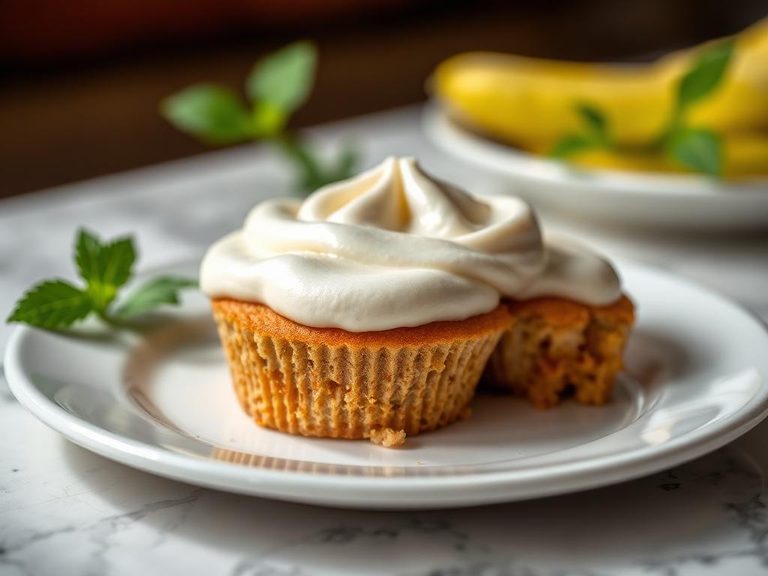
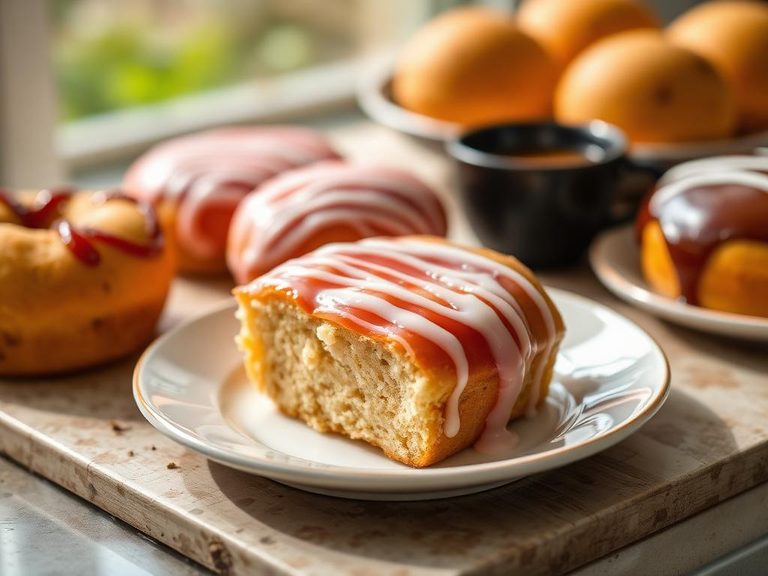
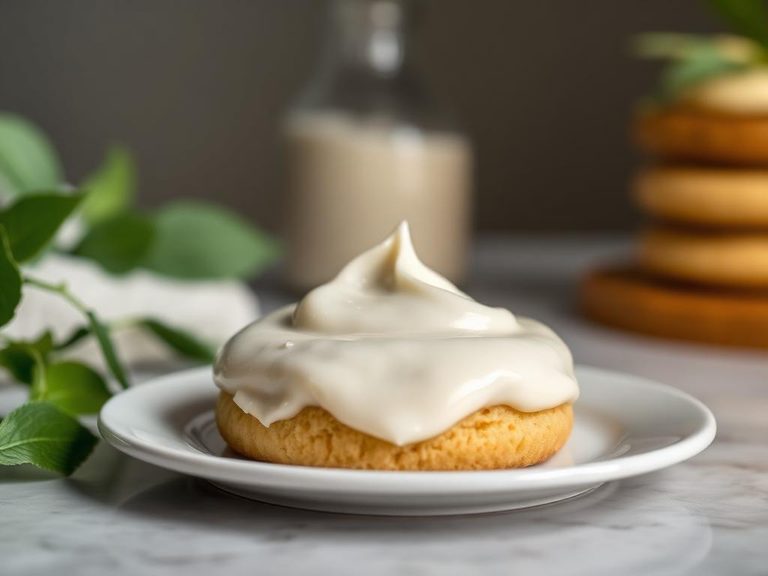
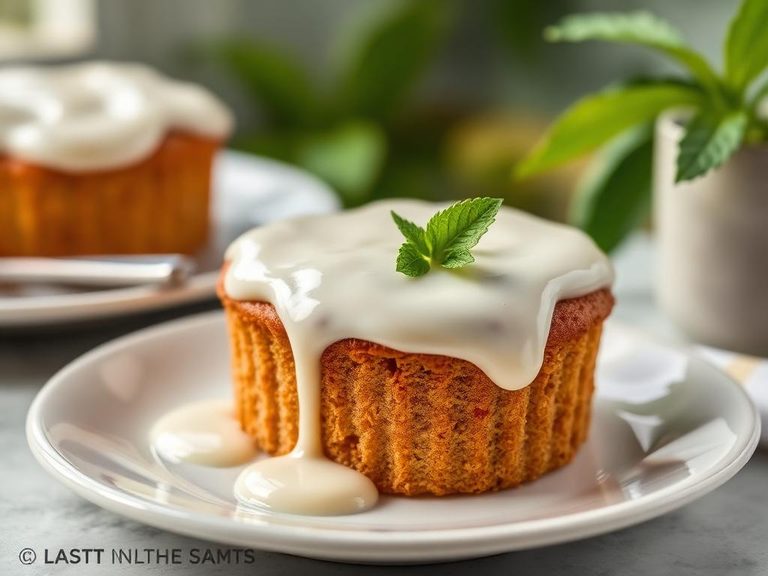
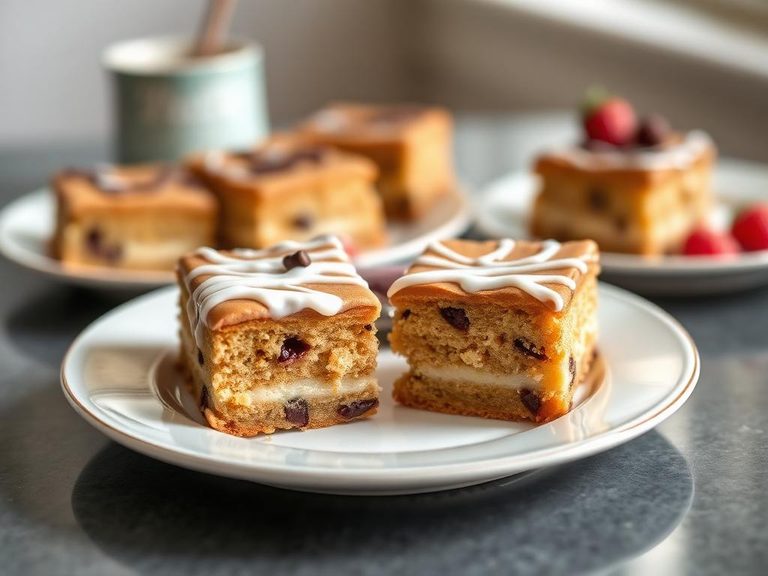
Frosting and icing are sweet, creamy coatings used to decorate and flavor cakes, cupcakes, and cookies. They are typically made from a base of powdered sugar, butter or shortening, milk or cream, and flavorings like vanilla. While often used interchangeably, frosting is generally thicker and fluffier, while icing is thinner and more pourable.
🍽️ Nutrition at a glance
These toppings are very high in carbohydrates and fat, with minimal protein. They provide a quick source of energy from sugar and fat but offer little in terms of essential vitamins or minerals.
Nutrition breakdown
| Calories | 140 kcal |
| Protein | 0.5 g |
| Carbs | 22 g |
| Fat | 6 g |
| Fiber | 0 g |
| Sugar | 20 g |
| Sodium | 45 mg |
| Calcium | 10 mg |
| Iron | 0.1 mg |
| Potassium | 15 mg |
| Vitamin A | 45 IU |
| Vitamin D | 0.1 mcg |
| Vitamin E | 0.3 mg |
Per 2 tablespoons (30 g) · estimated, varies by recipe
💡 What's interesting
The distinction between frosting and icing is a fun cultural nuance in baking, with regional preferences in the U.S. and UK. Nutritionally, they are a classic example of 'empty calories,' providing energy without significant nutritional benefit.
🍽️ Related dishes
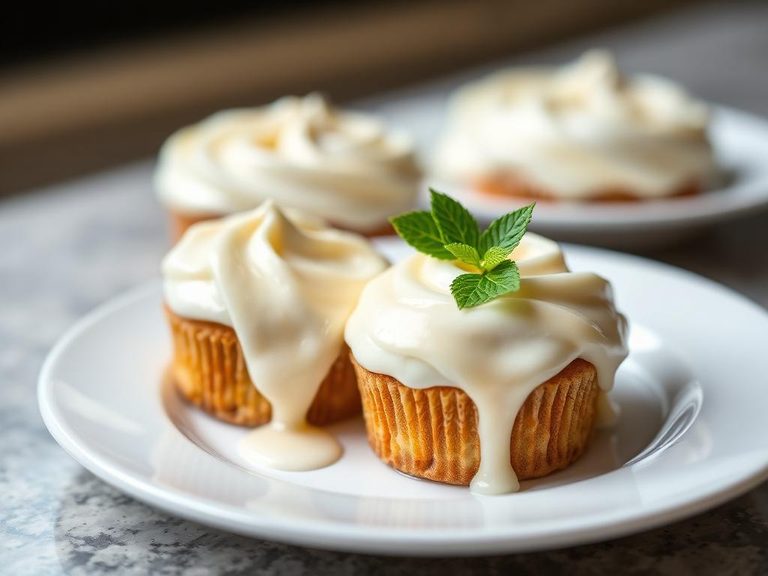
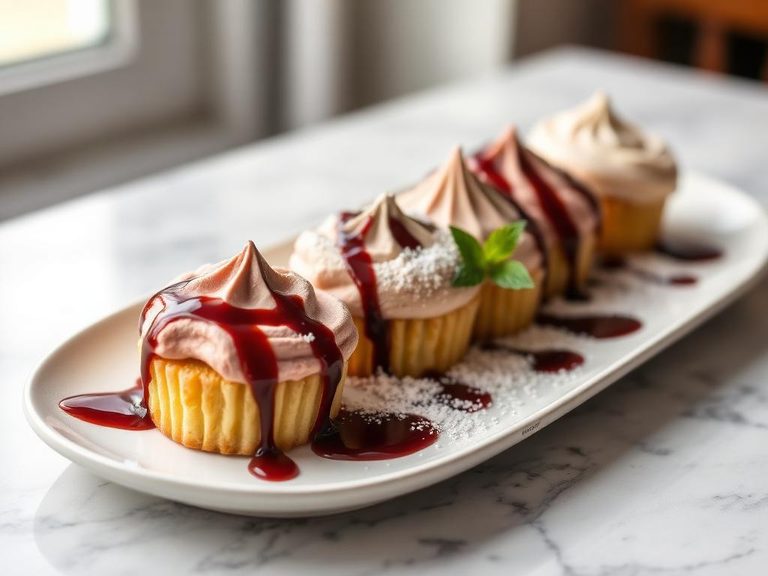
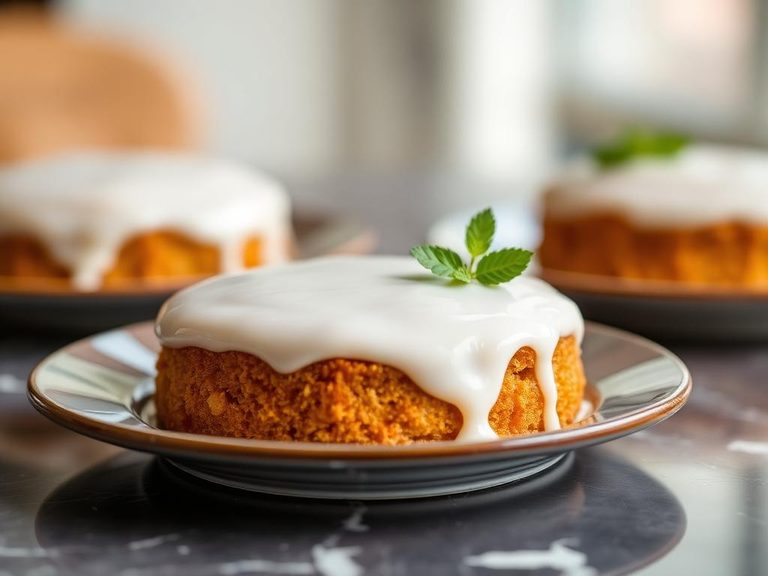
AI estimate may be inaccurate · Terms