Egyptian Rice
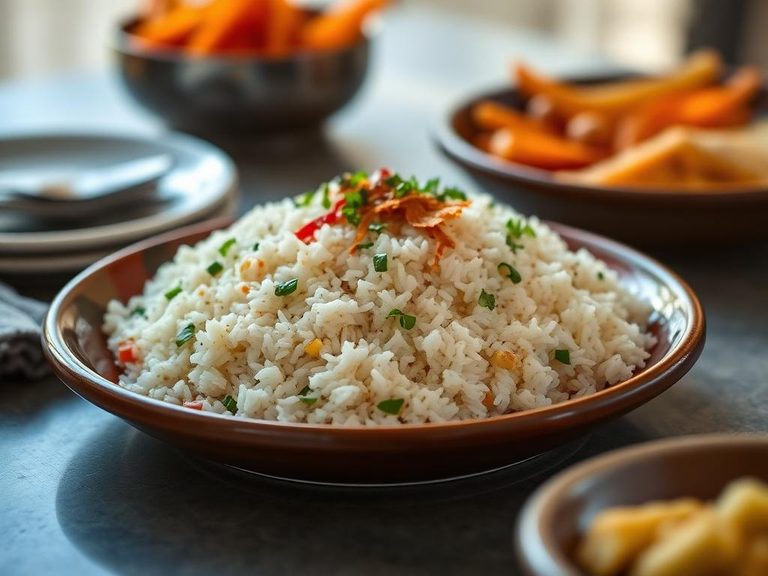
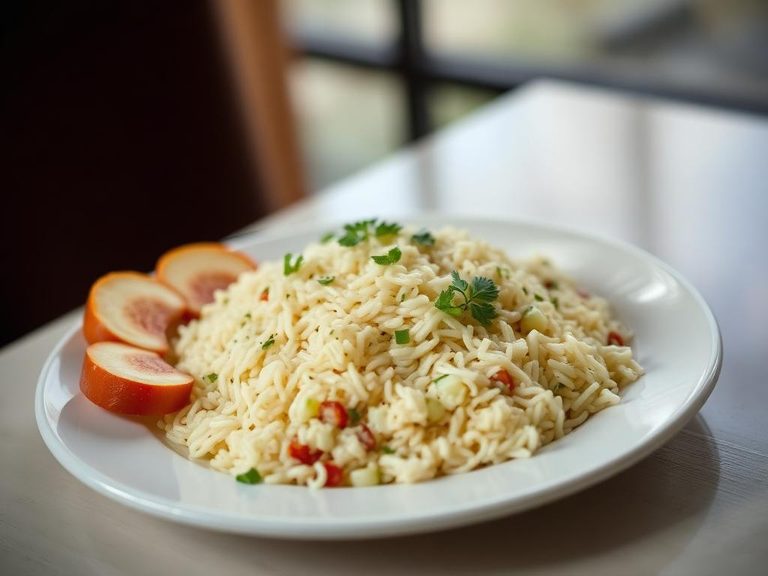
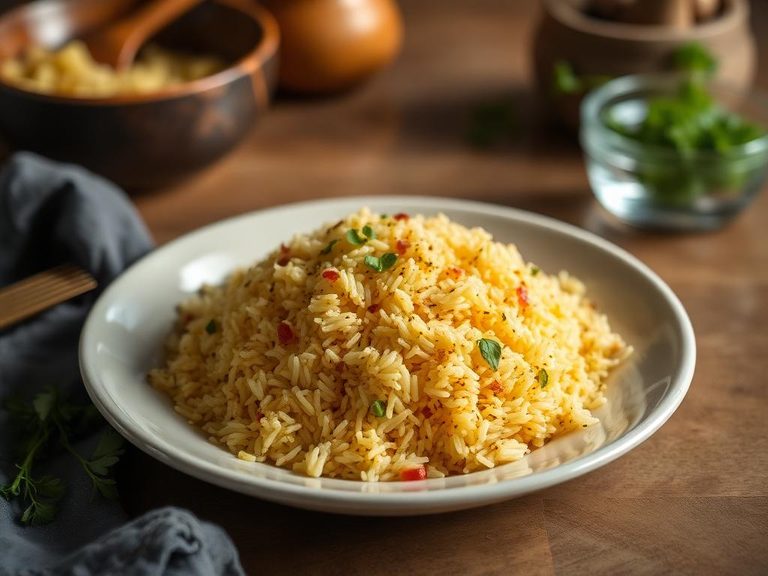
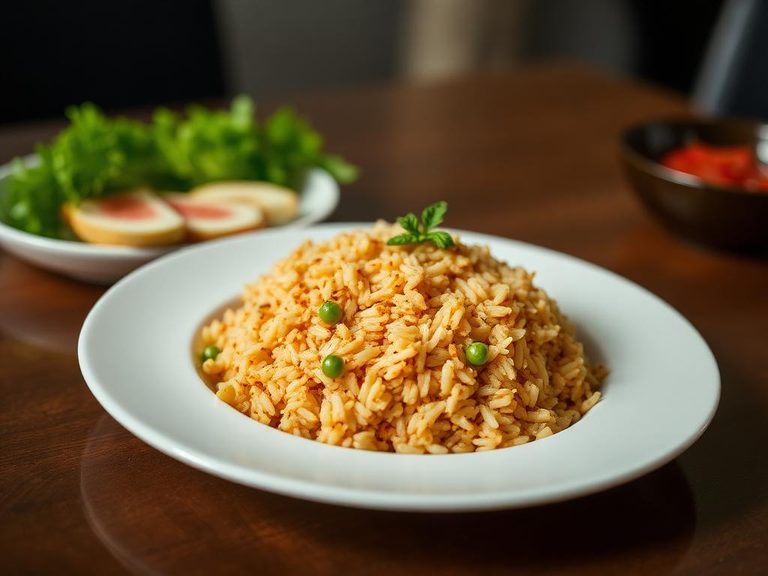
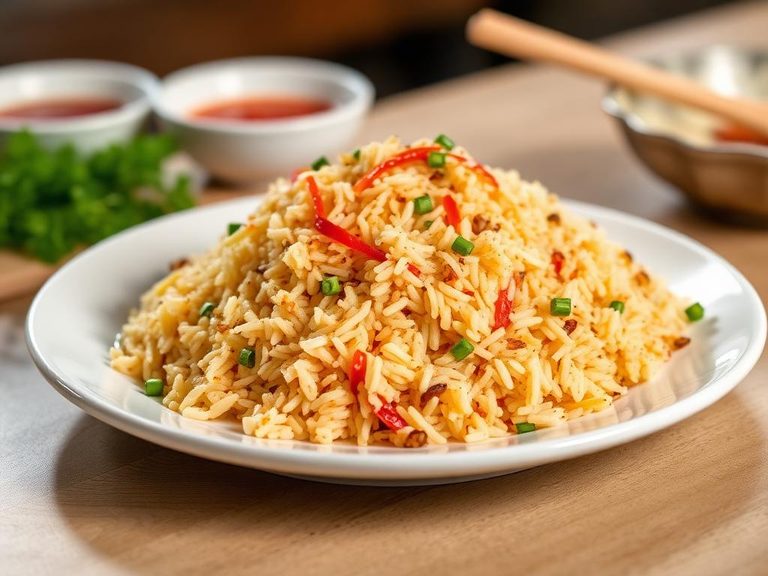
Egyptian Rice with Vermicelli, known as Roz bil Sha'riyah, is a beloved staple side dish from Egypt. It consists of long-grain rice toasted with fine, broken vermicelli noodles in butter or oil before being simmered in broth or water. The result is a fluffy, aromatic rice with a distinctive nutty flavor and golden-brown specks throughout.
🍽️ Nutrition at a glance
This dish is primarily a source of carbohydrates for energy, with a moderate amount of fat from the butter or oil used for toasting. A typical serving provides around 250-350 calories, along with small amounts of iron and B vitamins from the enriched rice and vermicelli.
Nutrition breakdown
| Calories | 350 kcal |
| Protein | 7 g |
| Carbs | 62 g |
| Fat | 8 g |
| Fiber | 2.5 g |
| Sugar | 1.5 g |
| Sodium | 480 mg |
| Iron | 2.5 mg |
| Potassium | 180 mg |
| Magnesium | 35 mg |
| Phosphorus | 120 mg |
| Thiamin (B1) | 0.3 mg |
| Niacin (B3) | 3.0 mg |
| Folate | 80 mcg |
| Zinc | 1.2 mg |
Per 1 cup (240 g) · estimated, varies by recipe
💡 What's interesting
The technique of toasting the vermicelli in fat before cooking is a hallmark of Egyptian rice preparation, adding depth of flavor and a unique visual appeal. Nutritionally, the combination of rice and wheat-based vermicelli offers a slightly more varied amino acid profile than plain rice alone.