

Diluting juices or concentrates
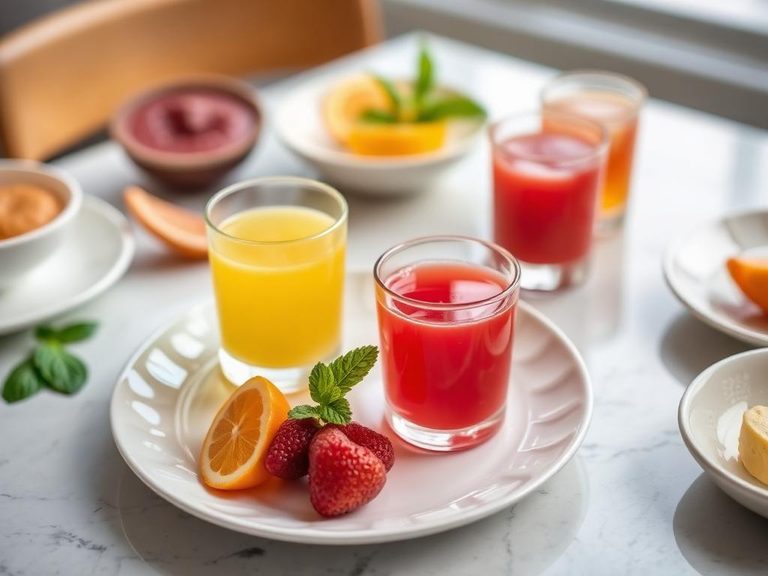
Diluting juices or concentrates are beverages made by mixing a concentrated fruit syrup or paste with water to create a drinkable juice. The typical ingredients include fruit concentrate (often from apples, oranges, or mixed berries), water, and sometimes added sugar or preservatives. This method of preparation is common worldwide, particularly in Europe and North America, as a cost-effective and convenient way to enjoy fruit-flavored drinks.
🍳 View the full Diluting juices or concentrates recipe →
🍽️ Nutrition at a glance
These drinks are generally high in carbohydrates from natural and added sugars, with negligible fat and protein. They provide key nutrients like vitamin C (especially if fortified) and some potassium, but are primarily a source of quick energy and hydration. A typical serving (around 250ml) can range from 80 to 120 calories, depending on the concentration and sugar content.
Nutrition breakdown
| Calories | 120 kcal |
| Protein | 0.5 g |
| Carbs | 30 g |
| Fat | 0 g |
| Fiber | 0 g |
| Sugar | 28 g |
| Sodium | 10 mg |
| Vitamin C | 30 mg |
| Potassium | 300 mg |
| Vitamin B6 | 0.2 mg |
| Folate | 40 mcg |
| Thiamin (B1) | 0.1 mg |
| Niacin (B3) | 0.5 mg |
| Magnesium | 20 mg |
| Manganese | 0.3 mg |
Per 1 cup (240 g) · estimated, varies by recipe
💡 What's interesting
Culturally, diluting juices became popular in the mid-20th century as a way to make fruit flavors accessible and affordable, especially in post-war Europe. Nutritionally, they are often seen as a middle ground between sugary sodas and pure fruit juice, though their high sugar content means they should be consumed in moderation.
🍽️ Related dishes
AI estimate may be inaccurate · Terms