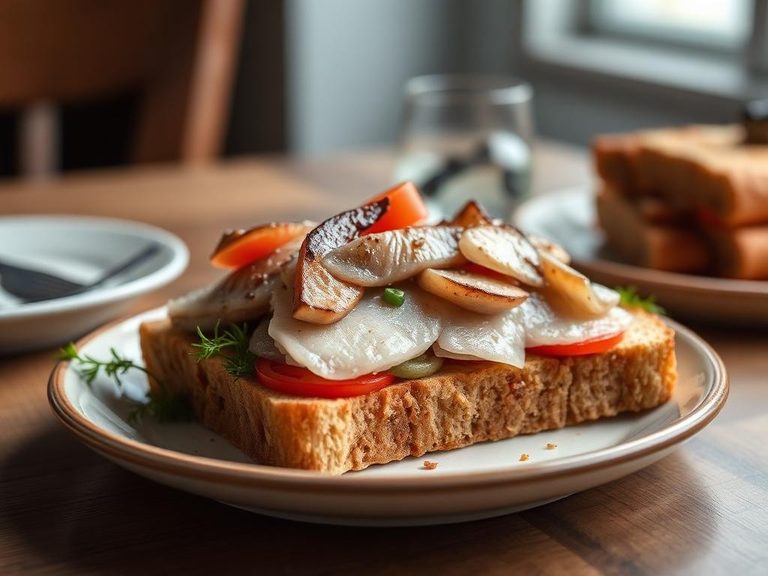
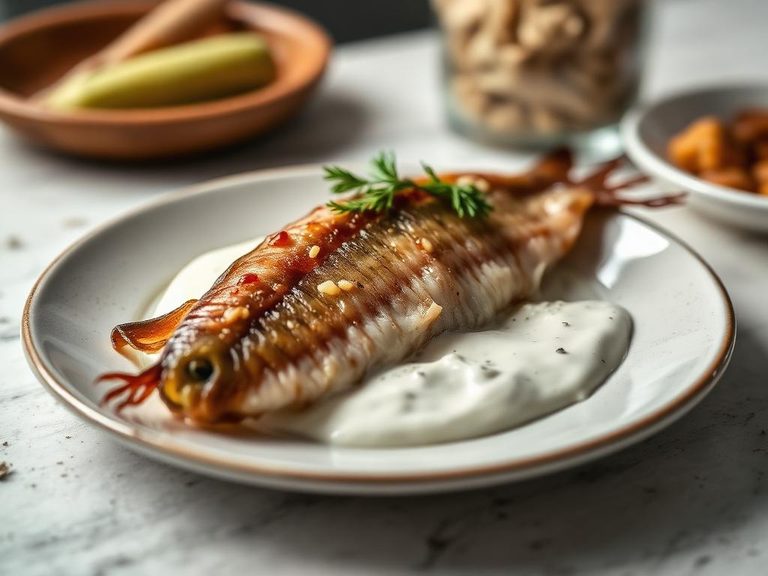
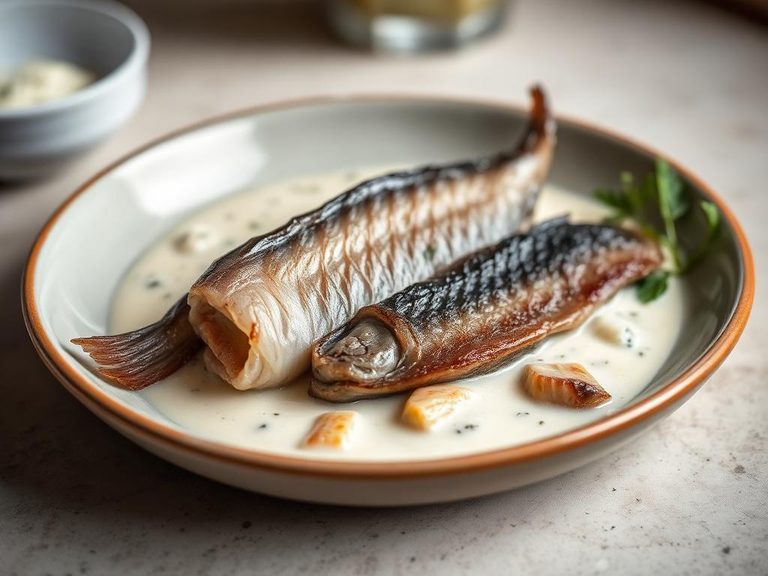
Danish rugbrød with pickled herring
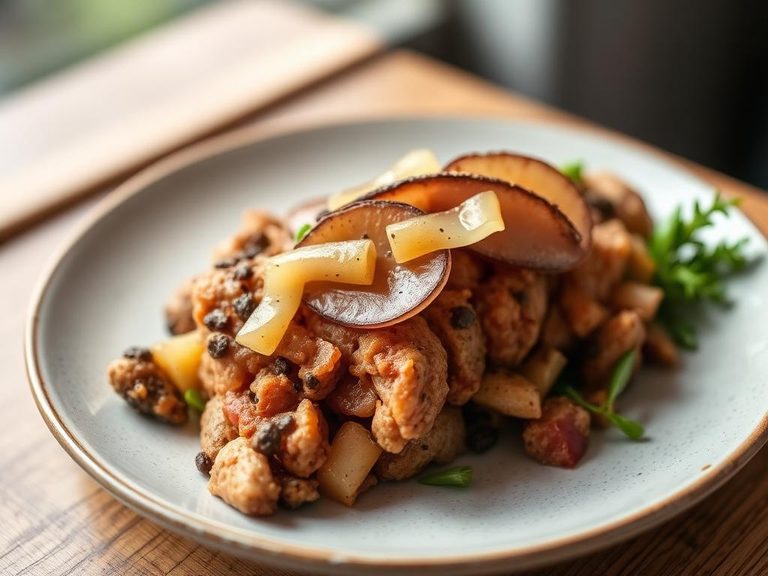
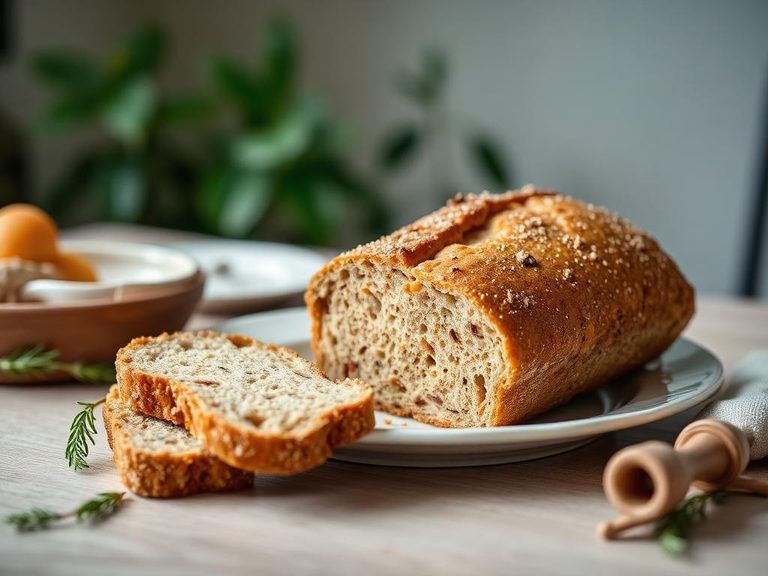
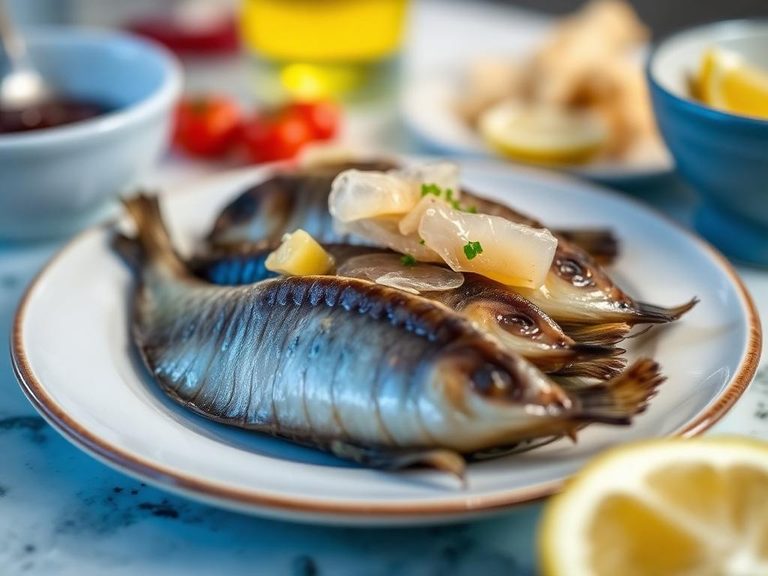
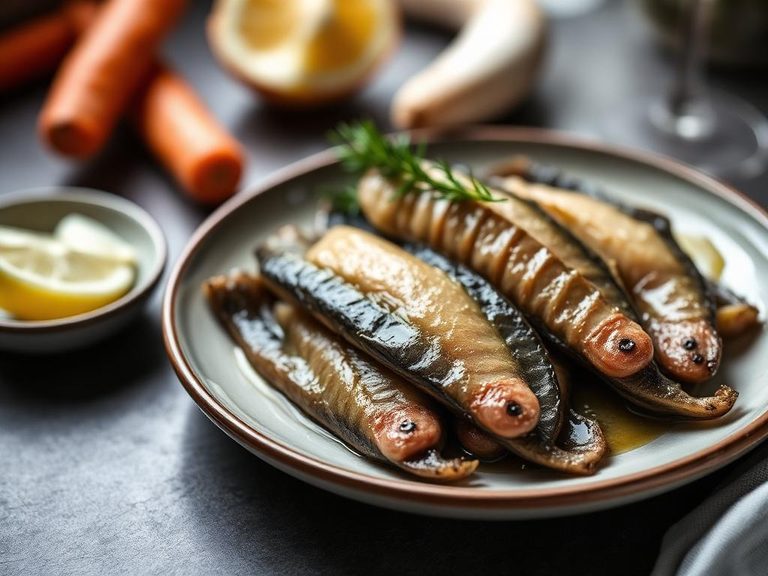
Danish rugbrød with pickled herring is a classic open-faced sandwich (smørrebrød) from Denmark, featuring dense, dark rye bread topped with tangy pickled herring, often garnished with onions, capers, or dill. It's a staple of traditional Danish lunch culture, especially during festive occasions like Christmas or New Year's Eve.
🍽️ Nutrition at a glance
This dish is high in fiber and protein, thanks to the whole-grain rye bread and herring, with moderate fat from the bread and any added butter or toppings. A typical serving provides around 250-350 calories, along with omega-3 fatty acids from the herring and B vitamins from the rye.
Nutrition breakdown
| Calories | 285 kcal |
| Protein | 14.5 g |
| Carbs | 28 g |
| Fat | 12 g |
| Fiber | 6 g |
| Sugar | 3.5 g |
| Sodium | 950 mg |
| Vitamin D | 4.5 µg |
| Vitamin B12 | 3.2 µg |
| Omega-3 (EPA+DHA) | 1.2 g |
| Selenium | 35 µg |
| Iron | 2.5 mg |
| Magnesium | 60 mg |
| Phosphorus | 220 mg |
| Folate | 40 µg |
Per 2 slices (approx. 100 g) rugbrød with 70 g pickled herring and 10 g butter · estimated, varies by recipe
💡 What's interesting
Culturally, rugbrød is a cornerstone of Danish 'hygge' (cozy) meals, reflecting the country's emphasis on simple, hearty fare. Nutritionally, the fermented rye bread aids digestion, while the pickled herring offers probiotics and a unique blend of sour and savory flavors that highlight Nordic culinary traditions.