

Cooked Rice
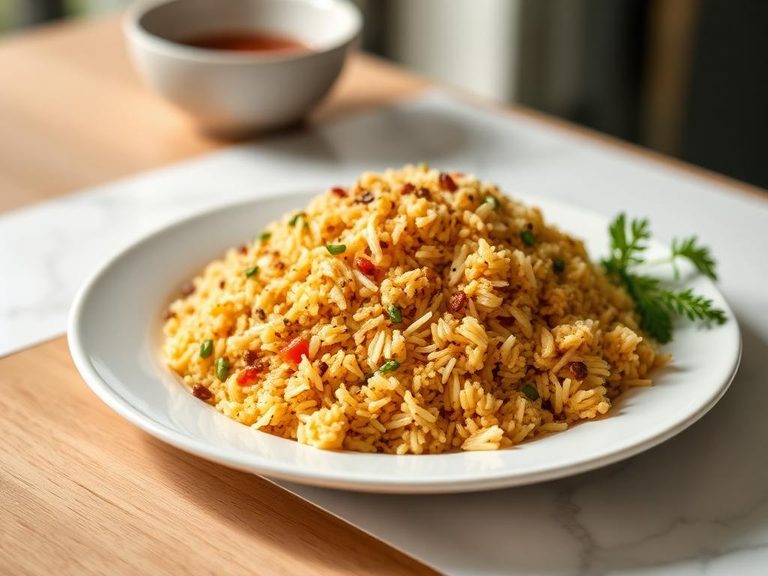
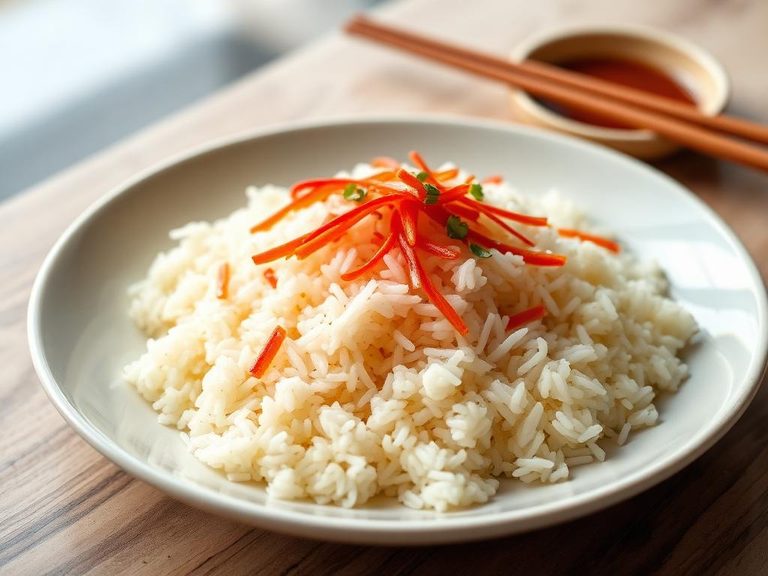
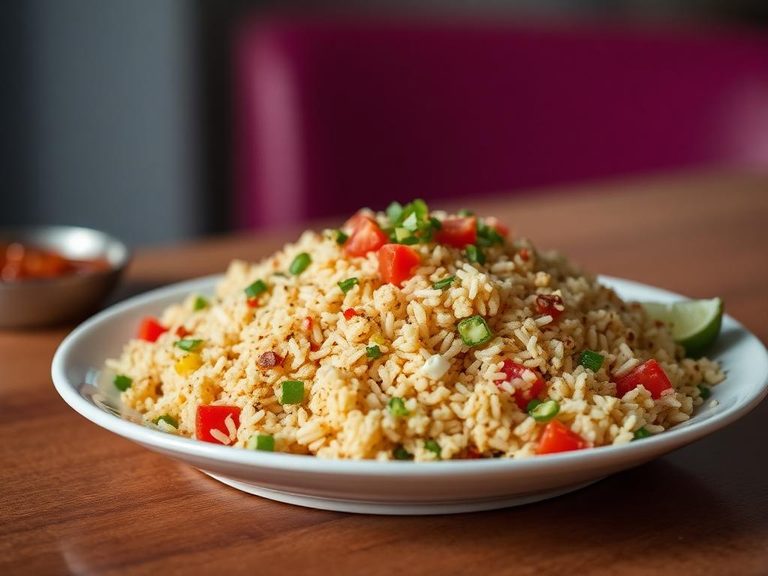
Cooked rice is a staple food prepared by boiling or steaming rice grains in water or broth, often served as a plain side dish or as a base for countless meals worldwide. It is a fundamental component of cuisines across Asia, the Americas, Africa, and Europe, with variations in grain type like white, brown, or jasmine. This simple preparation highlights the natural texture and flavor of the rice, making it a versatile foundation for both savory and sweet dishes.
🍽️ Nutrition at a glance
Cooked rice is primarily a high-carbohydrate food, providing quick energy with minimal fat and moderate protein, especially in whole-grain varieties like brown rice which offer more fiber and nutrients. A typical one-cup serving of white rice contains about 200-240 calories, along with small amounts of iron and B vitamins.
Nutrition breakdown
| Calories | 205 kcal |
| Protein | 4.3 g |
| Carbs | 44.5 g |
| Fat | 0.4 g |
| Fiber | 0.6 g |
| Sugar | 0.1 g |
| Sodium | 2 mg |
| Thiamin (B1) | 0.26 mg |
| Niacin (B3) | 2.3 mg |
| Folate | 58 mcg |
| Iron | 1.9 mg |
| Magnesium | 12 mg |
| Phosphorus | 68 mg |
| Potassium | 55 mg |
| Manganese | 0.7 mg |
Per 1 cup (158 g) · estimated, varies by recipe
💡 What's interesting
Culturally, cooked rice symbolizes sustenance and community in many societies, often featured in rituals and daily meals, while nutritionally, its high glycemic index in white rice can cause rapid blood sugar spikes, contrasting with the slower energy release of brown rice due to its intact bran layer.
🍽️ Related dishes
AI estimate may be inaccurate · Terms