Classic baby's first cereal bowl
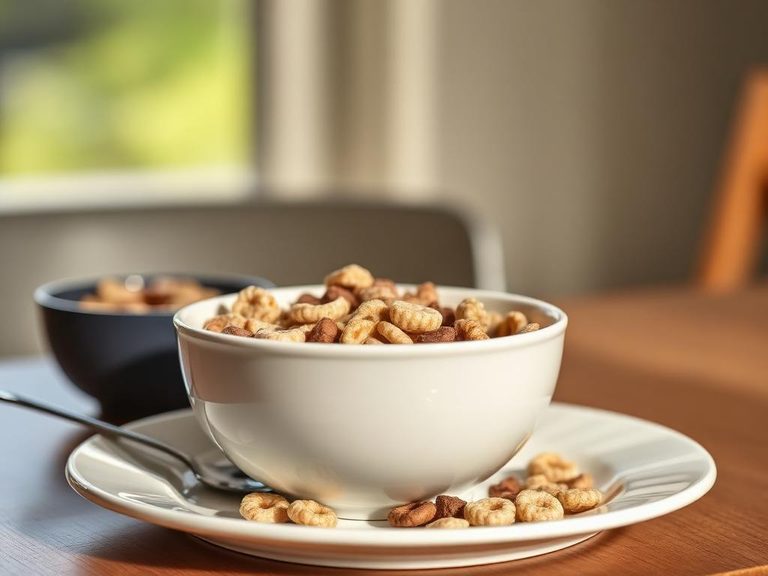
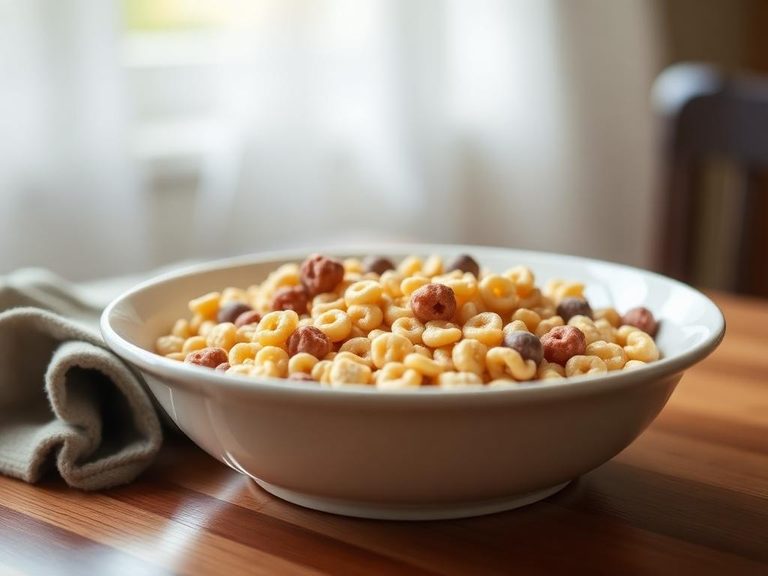
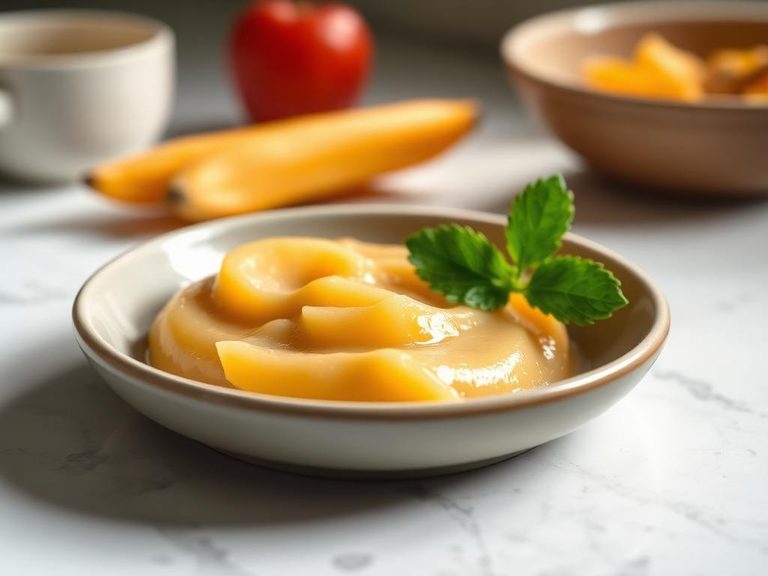
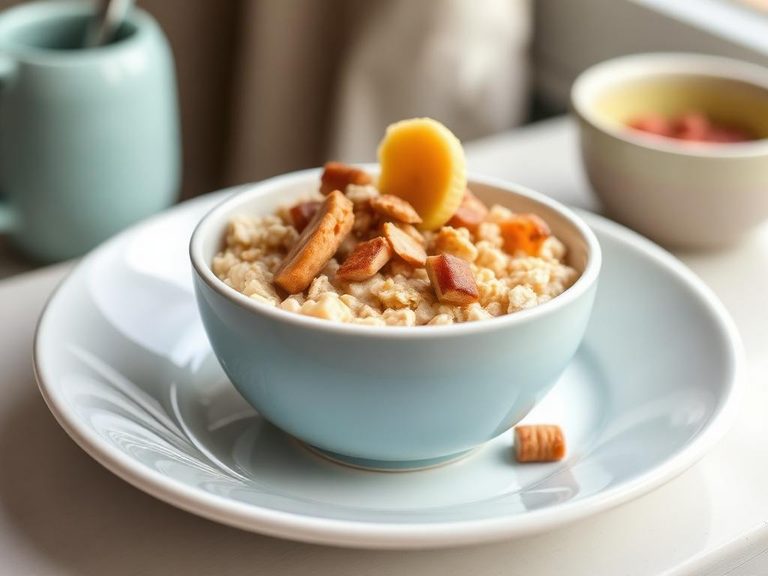
Classic baby's first cereal bowl is a simple, smooth, single-grain porridge traditionally made for infants around 4-6 months old as their first solid food. It is typically prepared by mixing a commercial baby cereal powder, often rice or oat-based, with breast milk, formula, or water to achieve a thin, easily swallowable consistency. This dish is a universal staple in many cultures worldwide as a gentle introduction to eating.
🍽️ Nutrition at a glance
This dish is primarily a source of carbohydrates for energy, with minimal fat and protein unless mixed with nutrient-rich breast milk or formula. It is often fortified with key nutrients like iron and zinc, which are crucial for infant development, and a typical serving contains around 60-100 calories.
Nutrition breakdown
| Calories | 85 kcal |
| Protein | 2.5 g |
| Carbs | 15 g |
| Fat | 1.5 g |
| Fiber | 1 g |
| Sugar | 2 g |
| Sodium | 50 mg |
| Iron | 4 mg |
| Zinc | 1.5 mg |
| Calcium | 120 mg |
| Potassium | 90 mg |
| Vitamin B6 | 0.2 mg |
| Vitamin B12 | 0.3 mcg |
| Thiamin | 0.15 mg |
| Niacin | 1.5 mg |
Per 1 cup (about 120 g) prepared with formula · estimated, varies by recipe
💡 What's interesting
What makes this dish unique is its role as a cultural and developmental milestone, marking a baby's transition from an all-liquid diet. Nutritionally, the iron-fortified versions are specifically designed to address the natural decline in an infant's iron stores around six months of age.