Buttered Rice Pilaf
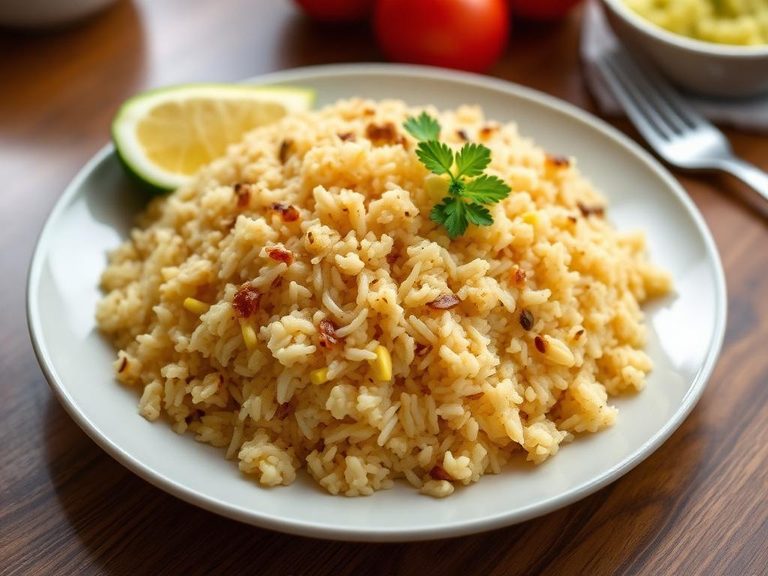
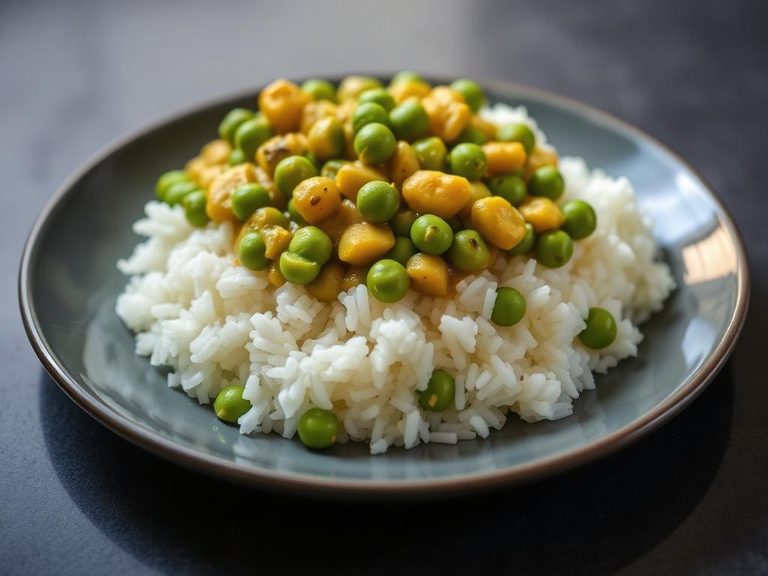
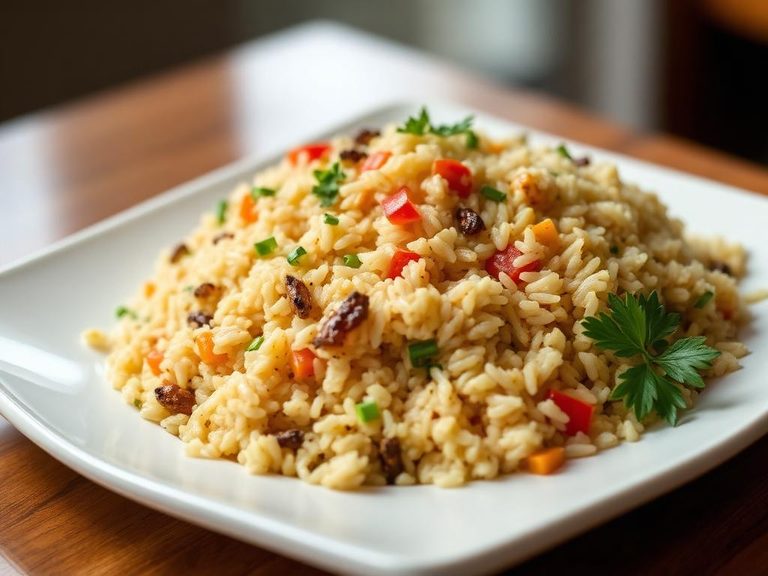
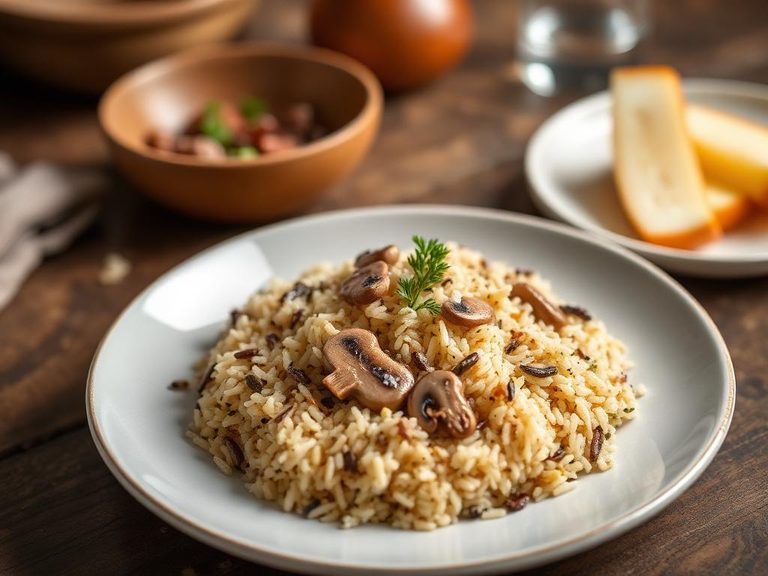
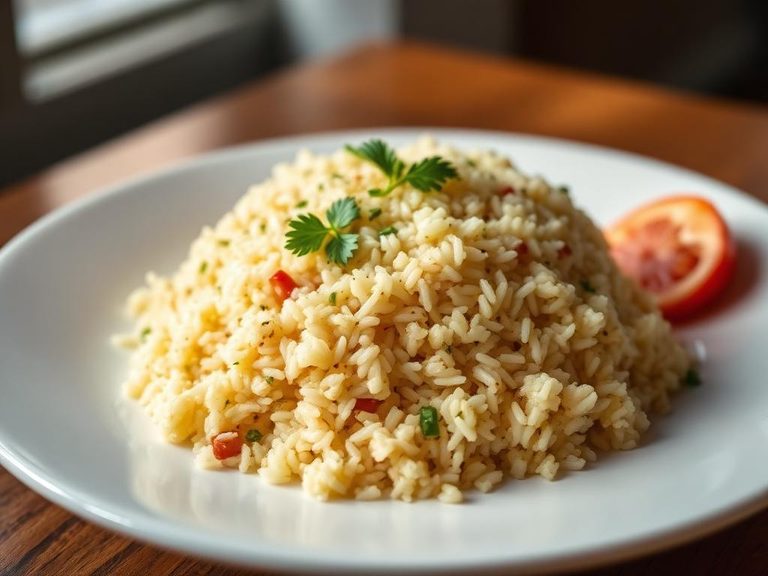
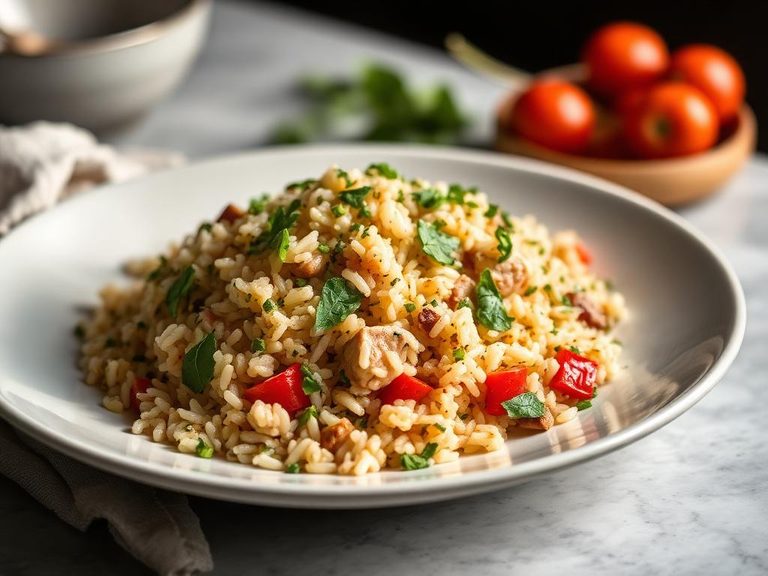
Buttered rice pilaf is a savory, fluffy rice dish where grains are first sautéed in butter or oil before being cooked in seasoned broth, resulting in separate, flavorful kernels. It typically includes long-grain rice like basmati or jasmine, along with aromatics such as onions, garlic, and sometimes herbs or spices. This technique and style of preparation are common across many cuisines, from the Middle East and Central Asia to Europe and the American South.
🍽️ Nutrition at a glance
As a primarily carbohydrate-based dish, it provides energy from rice and some fat from the butter used in cooking. A standard one-cup serving generally contains around 200-250 calories, offering modest amounts of B vitamins and minerals like selenium from the rice.
Nutrition breakdown
| Calories | 260 kcal |
| Protein | 4.5 g |
| Carbs | 42 g |
| Fat | 9 g |
| Fiber | 1.5 g |
| Sugar | 0.5 g |
| Sodium | 450 mg |
| Potassium | 120 mg |
| Iron | 1.5 mg |
| Magnesium | 20 mg |
| Phosphorus | 60 mg |
| Thiamin (B1) | 0.2 mg |
| Niacin (B3) | 2.5 mg |
| Folate | 40 µg |
| Selenium | 10 µg |
Per 1 cup (200 g) · estimated, varies by recipe
💡 What's interesting
The pilaf method, where rice is toasted in fat before simmering, is a classic technique believed to originate in Persia and has traveled the world, adapting to local ingredients. Nutritionally, cooking rice in broth instead of water can enhance its flavor and mineral content without adding extra calories.