

Buffalo Steak
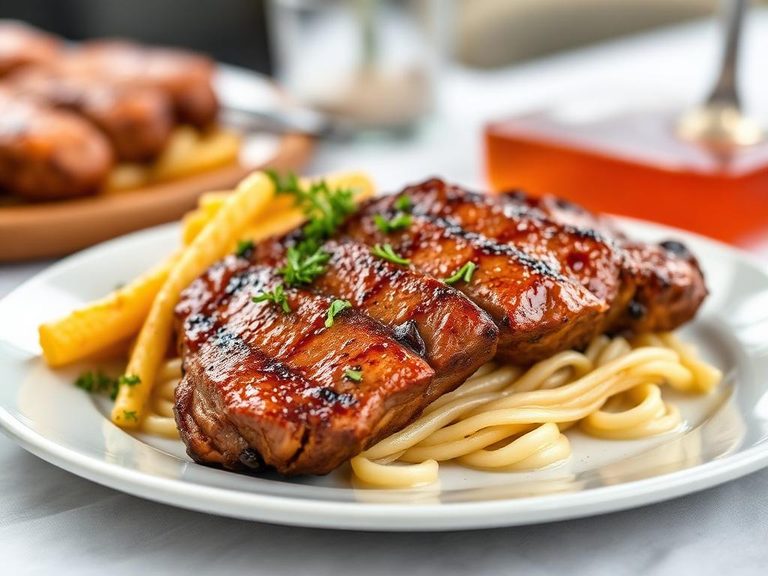
Buffalo steak is a lean, flavorful cut of meat from the American bison, often grilled or pan-seared to highlight its rich, slightly sweet taste. It is a traditional dish in North America, particularly associated with the Great Plains and the American West, where bison have been a historical food source for Indigenous peoples and early settlers.
🍽️ Nutrition at a glance
Buffalo steak is high in protein and relatively low in fat compared to beef, making it a nutrient-dense option. A typical serving provides a good source of iron, zinc, and B vitamins, with a calorie count around 150-200 kcal per 100 grams, depending on the cut and preparation.
Nutrition breakdown
| Calories | 180 kcal |
| Protein | 28 g |
| Carbs | 0 g |
| Fat | 7 g |
| Fiber | 0 g |
| Sugar | 0 g |
| Sodium | 60 mg |
| Iron | 3.5 mg |
| Zinc | 5.0 mg |
| Vitamin B12 | 2.5 mcg |
| Niacin (B3) | 6.0 mg |
| Phosphorus | 200 mg |
| Selenium | 25 mcg |
| Potassium | 300 mg |
| Magnesium | 25 mg |
Per 100 g (cooked, lean meat) · estimated, varies by recipe
💡 What's interesting
Nutritionally, buffalo meat is prized for its high omega-3 fatty acid content and lower cholesterol levels than conventional beef. Culturally, it represents a connection to the heritage of the American frontier and sustainable farming practices, as bison are often raised on grasslands with minimal environmental impact.
🍽️ Related dishes







AI estimate may be inaccurate · Terms