Bubur Sagu
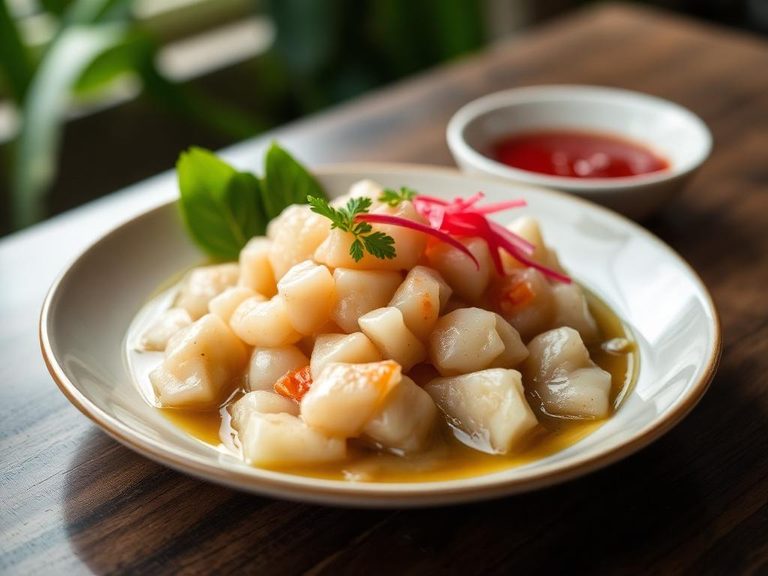
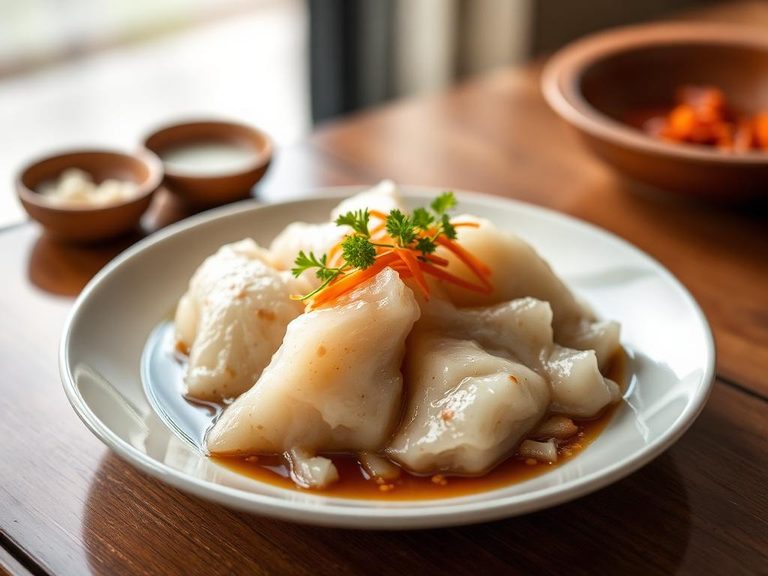
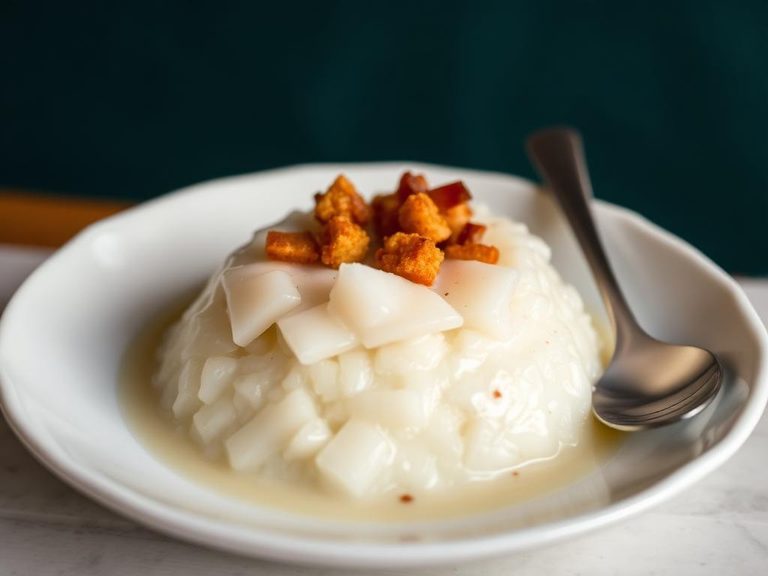
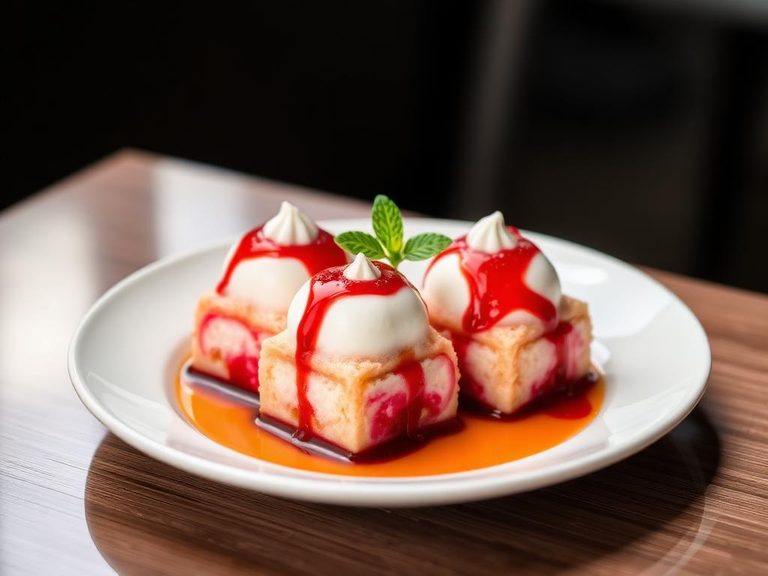
Bubur Sagu is a traditional sweet porridge from the Malay Archipelago, particularly popular in Indonesia, Malaysia, and Singapore. It is made by cooking sago pearls with palm sugar (gula Melaka) and coconut milk, often flavored with pandan leaves and sometimes containing small pieces of sweet potato or tapioca.
🍽️ Nutrition at a glance
This dish is primarily high in carbohydrates from the sago and palm sugar, providing quick energy. It is also a source of medium-chain triglycerides (MCTs) from the coconut milk, which are fats that can be readily used for energy, with a typical serving containing around 200-300 calories.
Nutrition breakdown
| Calories | 180 kcal |
| Protein | 1.5 g |
| Carbs | 42 g |
| Fat | 0.5 g |
| Fiber | 2 g |
| Sugar | 10 g |
| Sodium | 15 mg |
| Potassium | 280 mg |
| Iron | 1.8 mg |
| Magnesium | 30 mg |
| Phosphorus | 25 mg |
| Calcium | 20 mg |
| Vitamin C | 5 mg |
| Folate | 15 mcg |
| Zinc | 0.4 mg |
Per 1 cup (240 g) · estimated, varies by recipe
💡 What's interesting
Culturally, Bubur Sagu is a beloved comfort food and festive treat, often served during celebrations like Hari Raya. Nutritionally, sago is a starch extracted from tropical palm stems and is a gluten-free, easily digestible energy source that has been a staple for indigenous communities in rainforest regions for centuries.