

Breath freshener after meals
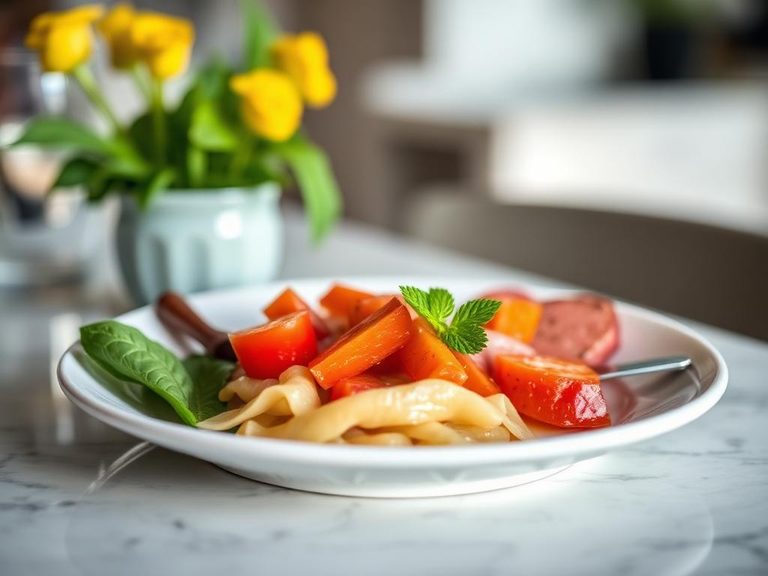
"Breath freshener after meals" is not a specific dish but a cultural practice, often involving chewing on herbs, seeds, or small natural items like fennel seeds, cardamom, or parsley. These are commonly used in South Asian, Middle Eastern, and Mediterranean cuisines after dining to freshen the breath and aid digestion.
🍳 View the full Breath freshener after meals recipe →
🍽️ Nutrition at a glance
These items are typically very low in calories, carbs, fat, and protein, providing minimal energy. They are valued more for their volatile oils and compounds that can help neutralize odors and support digestive comfort.
Nutrition breakdown
| Calories | 10 kcal |
| Protein | 0 g |
| Carbs | 2.5 g |
| Fat | 0 g |
| Fiber | 0 g |
| Sugar | 2 g |
| Sodium | 0 mg |
| Vitamin C | 10 mg |
| Zinc | 0.5 mg |
| Manganese | 0.2 mg |
| Iron | 0.1 mg |
| Magnesium | 1 mg |
| Calcium | 2 mg |
| Copper | 0.05 mg |
| Selenium | 0.3 mcg |
Per 1 piece (3 g) · estimated, varies by recipe
💡 What's interesting
This practice is culturally fascinating as it blends culinary tradition with natural oral hygiene, often passed down through generations. Nutritionally, it highlights how certain plant compounds can have functional benefits beyond basic nutrition, like acting as natural mouth fresheners.
🍽️ Related dishes





AI estimate may be inaccurate · Terms