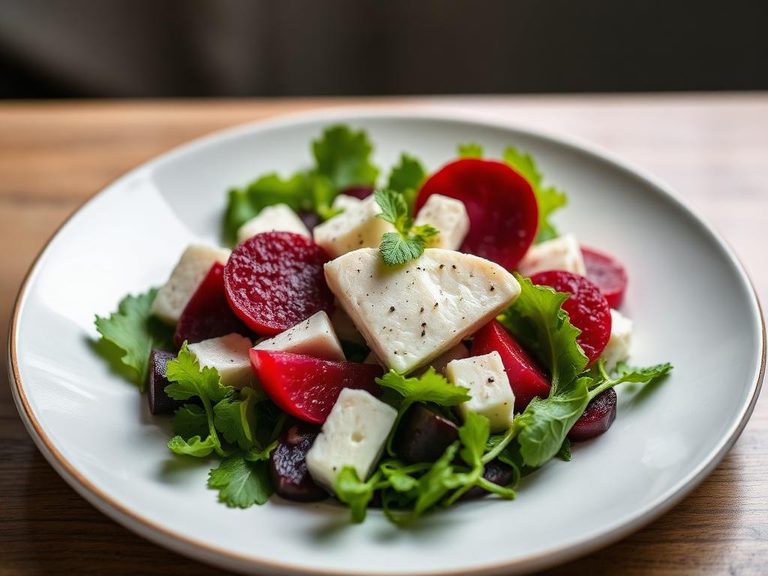
Beetroot lattes or smoothies
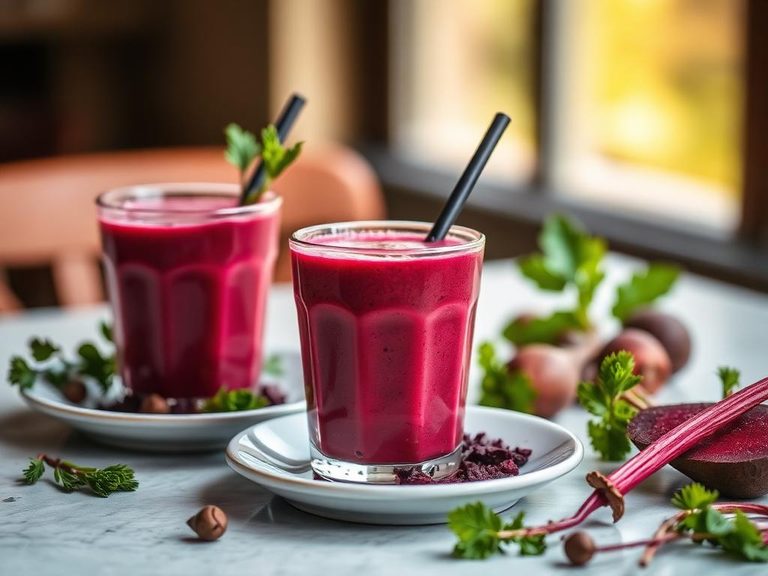
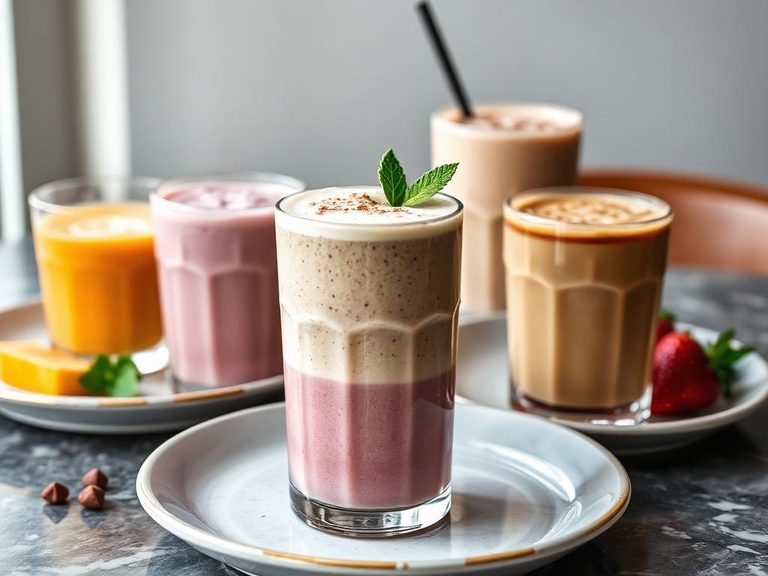
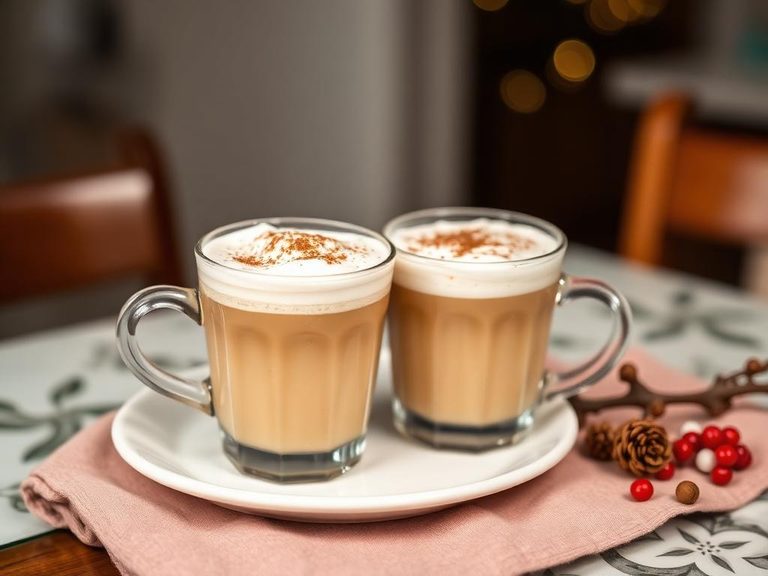
Beetroot lattes and smoothies are vibrant, earthy beverages made primarily from blended or juiced beetroot, often combined with milk (dairy or plant-based) and sometimes fruit or spices. The latte version is typically steamed and frothy, while the smoothie is thicker and may include ingredients like banana, ginger, or yogurt. This drink has gained popularity in modern health-focused cafes and kitchens worldwide, particularly in Western wellness circles.
🍽️ Nutrition at a glance
This drink is generally low in fat and moderate in carbohydrates, with natural sugars from beetroot and any added fruit. It is a good source of dietary fiber, folate (vitamin B9), manganese, and potassium, and provides a rough ballpark of 120-180 calories per serving depending on the exact recipe.
Nutrition breakdown
| Calories | 150 kcal |
| Protein | 4 g |
| Carbs | 30 g |
| Fat | 3 g |
| Fiber | 5 g |
| Sugar | 18 g |
| Sodium | 100 mg |
| Folate (B9) | 120 µg |
| Manganese | 0.5 mg |
| Potassium | 450 mg |
| Iron | 1.2 mg |
| Vitamin C | 8 mg |
| Magnesium | 40 mg |
| Vitamin B6 | 0.15 mg |
| Niacin (B3) | 1.5 mg |
Per 1 cup (240 g) · estimated, varies by recipe
💡 What's interesting
Beetroot's deep red pigment comes from betalains, antioxidants that are also studied for their potential to support exercise performance by enhancing blood flow. Culturally, it represents a fusion of traditional root vegetable use with contemporary 'superfood' and plant-based beverage trends.