Base for butterscotch pudding
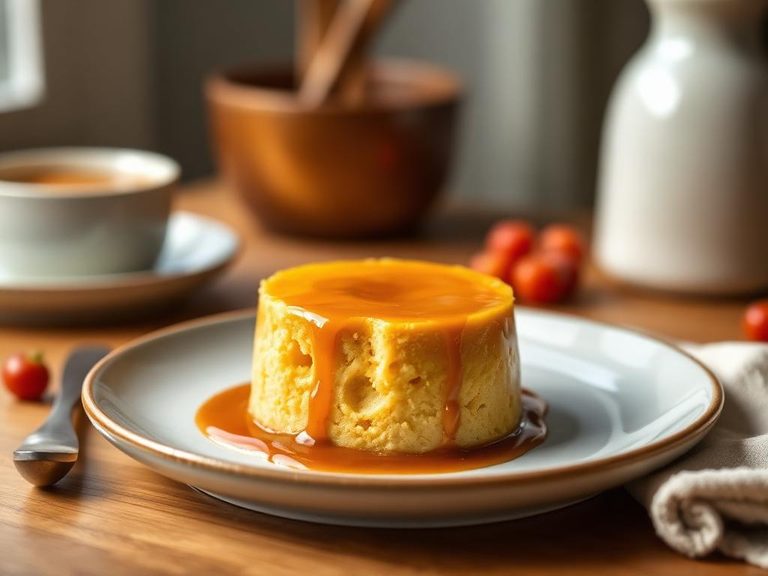
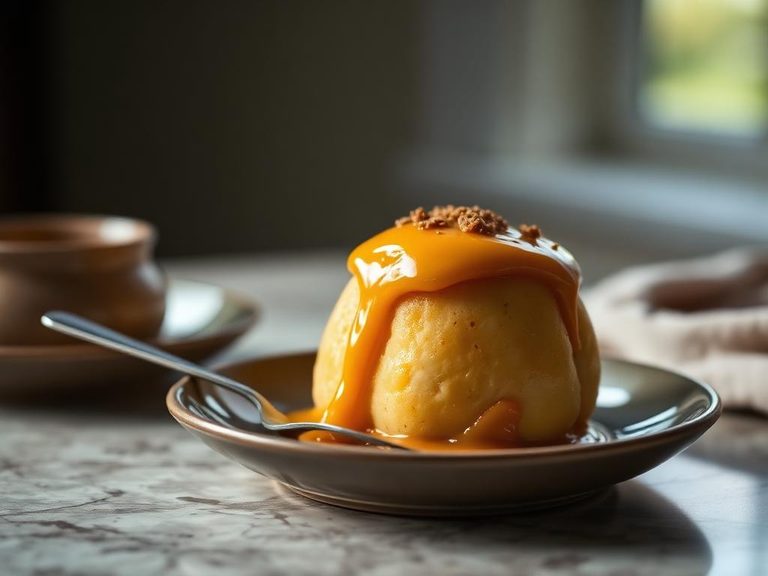
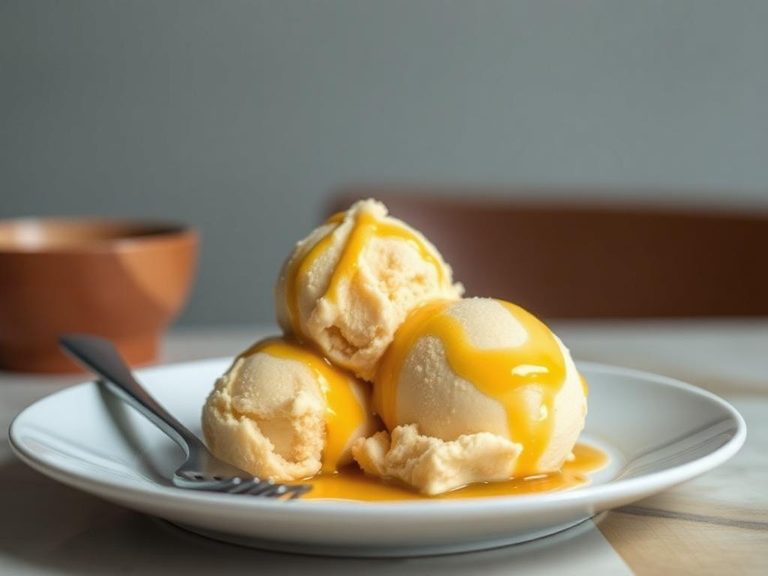
The base for butterscotch pudding is a rich, sweet sauce or mixture that forms the foundation of the classic dessert. It is typically made by caramelizing brown sugar with butter, then incorporating cream or milk, and often vanilla and salt. This preparation is a staple in American and British dessert-making.
🍽️ Nutrition at a glance
This base is very high in carbohydrates and fat, with minimal protein. It primarily provides quick energy from sugars and saturated fat, and a typical serving contains roughly 200-250 calories.
Nutrition breakdown
| Calories | 220 kcal |
| Protein | 1 g |
| Carbs | 28 g |
| Fat | 12 g |
| Fiber | 0 g |
| Sugar | 27 g |
| Sodium | 85 mg |
| Calcium | 20 mg |
| Iron | 0.2 mg |
| Vitamin A | 90 mcg RAE |
Per 1/4 cup (60 g) · estimated, varies by recipe
💡 What's interesting
The distinct flavor comes from the Maillard reaction and caramelization of the brown sugar, which creates deep, toffee-like notes. Nutritionally, it is a concentrated source of energy but offers little in the way of essential vitamins or minerals.