

Baked Muffin or Quick Bread Ingredient
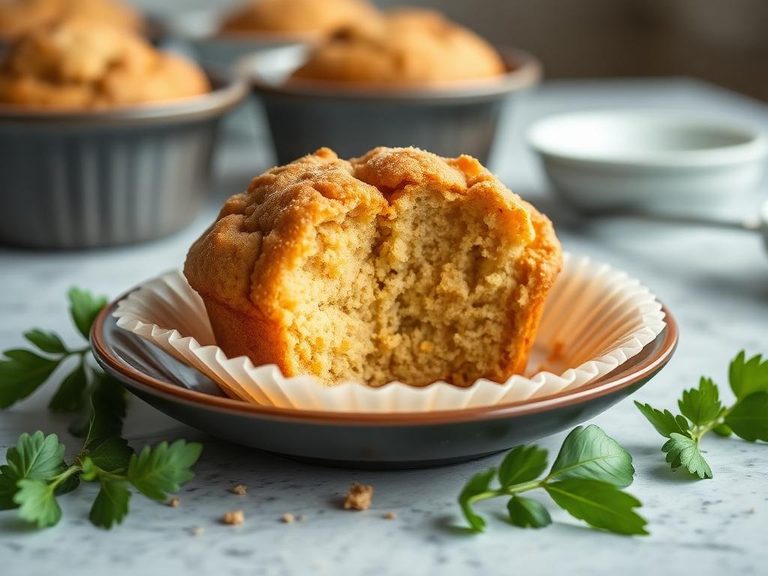
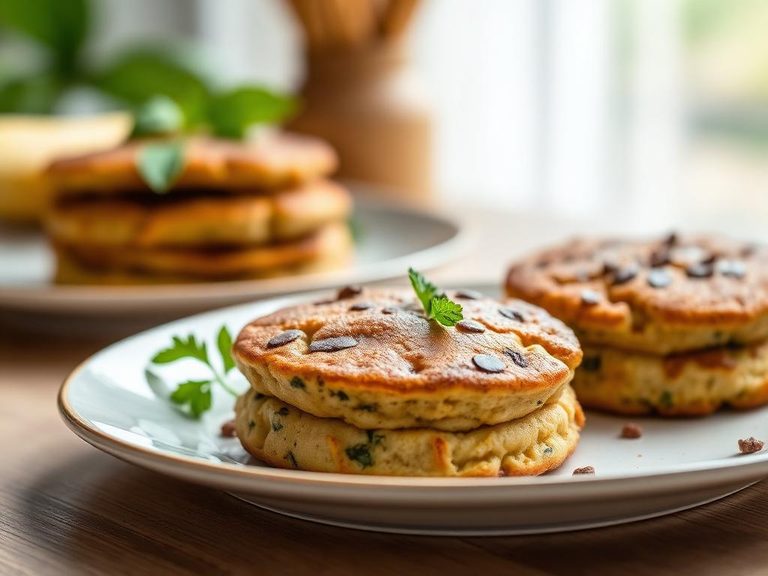
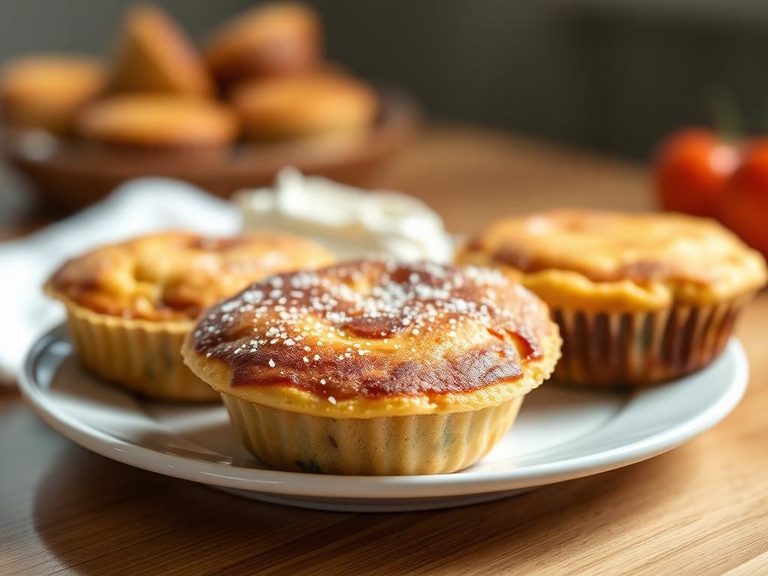
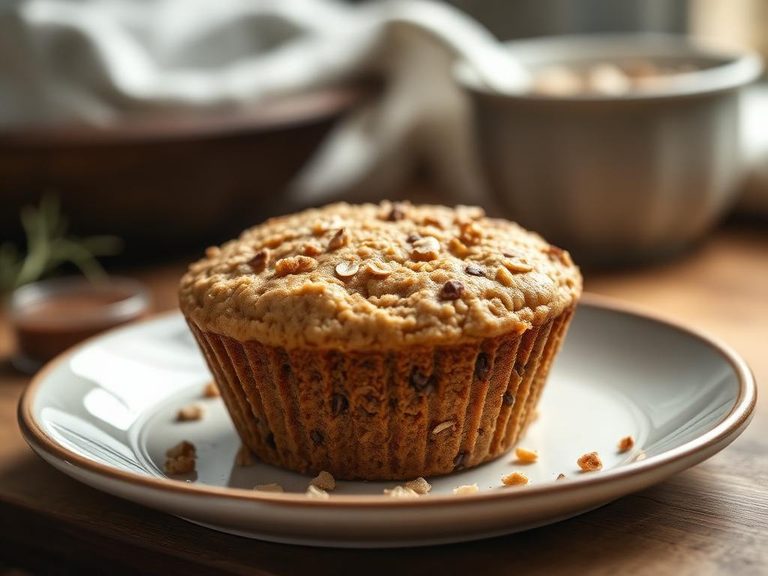
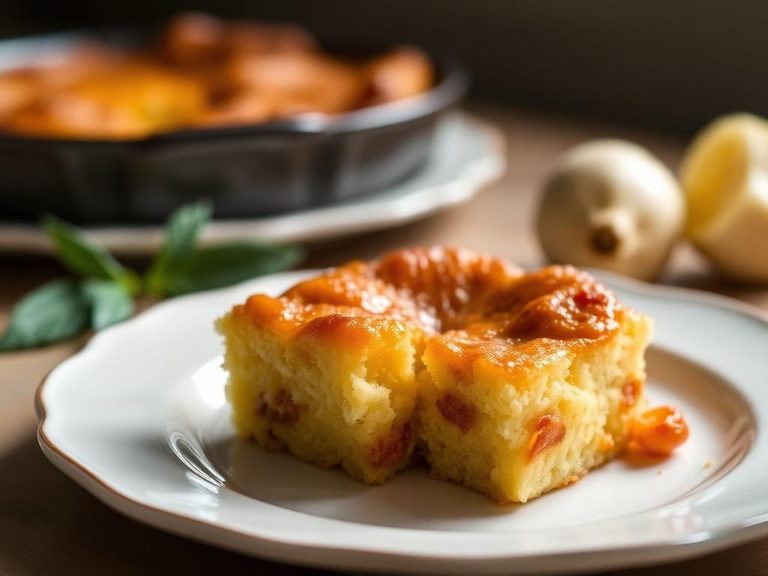
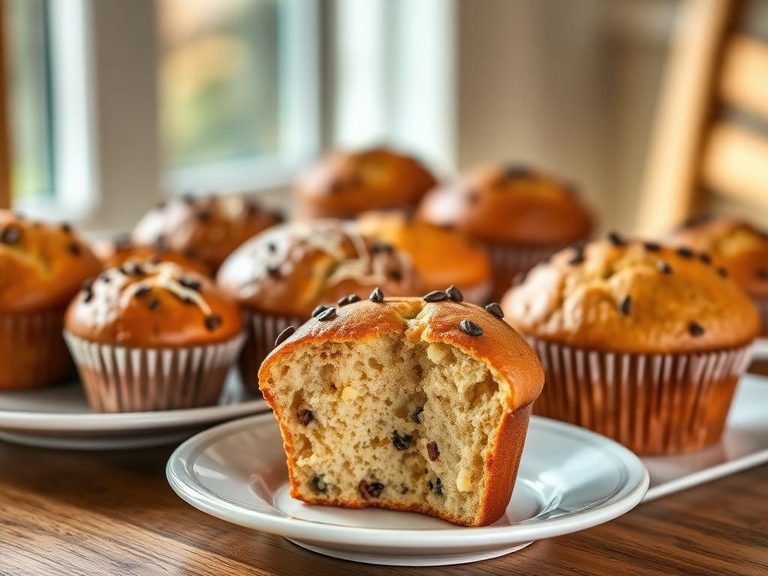
Baked muffins and quick breads are a category of leavened baked goods that use chemical leaveners like baking powder or baking soda instead of yeast, allowing for rapid preparation. Common ingredients include flour, sugar, eggs, a fat source (like butter or oil), and a liquid (milk, buttermilk, or fruit puree), often with mix-ins like blueberries, bananas, or nuts. This style of baking is particularly popular in North America, where it's a staple for breakfast, snacks, and coffee breaks.
🍽️ Nutrition at a glance
These baked goods are typically high in carbohydrates from flour and sugar, with moderate fat content depending on the recipe. They provide quick energy and can be a source of B vitamins and iron from enriched flour, though they are often more calorie-dense than nutrient-dense, with a rough range of 200-400 calories per standard serving.
Nutrition breakdown
| Calories | 300 kcal |
| Protein | 5 g |
| Carbs | 42 g |
| Fat | 13 g |
| Fiber | 1.5 g |
| Sugar | 20 g |
| Sodium | 320 mg |
| Iron | 2.1 mg |
| Thiamin (B1) | 0.2 mg |
| Niacin (B3) | 2.5 mg |
| Folate | 55 mcg |
| Calcium | 80 mg |
| Potassium | 90 mg |
| Phosphorus | 75 mg |
| Magnesium | 15 mg |
Per 1 medium muffin or slice of quick bread (approx. 113 g) · estimated, varies by recipe
💡 What's interesting
The term 'quick bread' highlights the cultural shift towards convenience in modern home baking, bypassing the lengthy rise time required for yeast breads. Nutritionally, they can be easily adapted to be more wholesome by using whole-grain flours, reducing sugar, or incorporating fruits and vegetables like zucchini or carrots for added fiber and vitamins.
🍽️ Related dishes
AI estimate may be inaccurate · Terms