Baba au Rhum
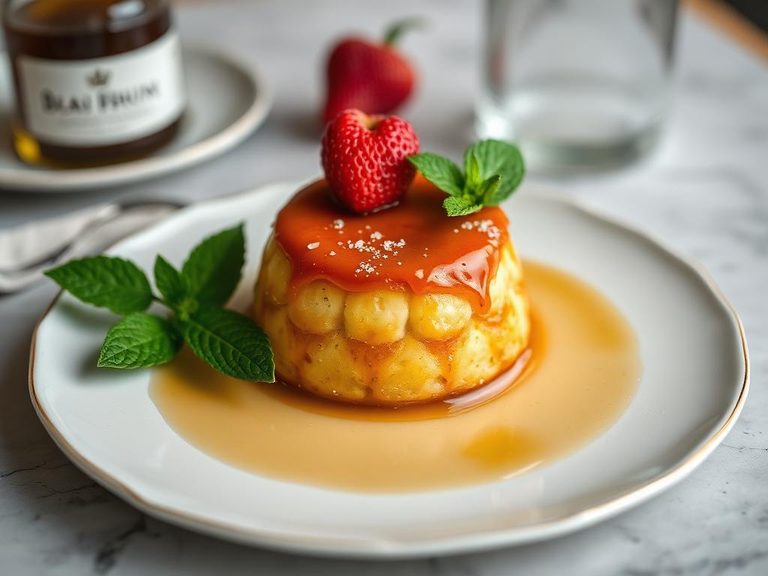
Baba au Rhum is a classic French dessert, specifically a small yeast cake or brioche that is soaked in a rum-based syrup and often filled or topped with a rum-flavored pastry cream or whipped cream. Originating in 18th-century Poland as a yeast cake called 'baba', it was later popularized in France, particularly in the Lorraine region, where it became a beloved pâtisserie staple.
🍽️ Nutrition at a glance
This dessert is very high in carbohydrates and fats, with minimal protein, primarily from the enriched dough and cream components. A single serving can range from 300 to 500 calories, offering a quick energy boost from sugars and fats but limited essential nutrients.
Nutrition breakdown
| Calories | 380 kcal |
| Protein | 4.5 g |
| Carbs | 45 g |
| Fat | 20 g |
| Fiber | 1 g |
| Sugar | 32 g |
| Sodium | 180 mg |
| Potassium | 120 mg |
| Calcium | 80 mg |
| Iron | 1.8 mg |
| Magnesium | 15 mg |
| Phosphorus | 70 mg |
| Vitamin A | 150 IU |
| Vitamin B1 (Thiamine) | 0.1 mg |
| Vitamin B2 (Riboflavin) | 0.08 mg |
Per 1 piece (120 g) · estimated, varies by recipe
💡 What's interesting
The name 'Baba' is said to have been inspired by the hero of a popular 18th-century Polish novel, while the 'au Rhum' (with rum) part reflects the Caribbean trade influences on French cuisine. Nutritionally, its unique soaking method transforms a simple cake into a moist, intensely flavorful confection, making it a study in how alcohol and sugar can dramatically alter a food's texture and taste profile.