Argentinian Locro
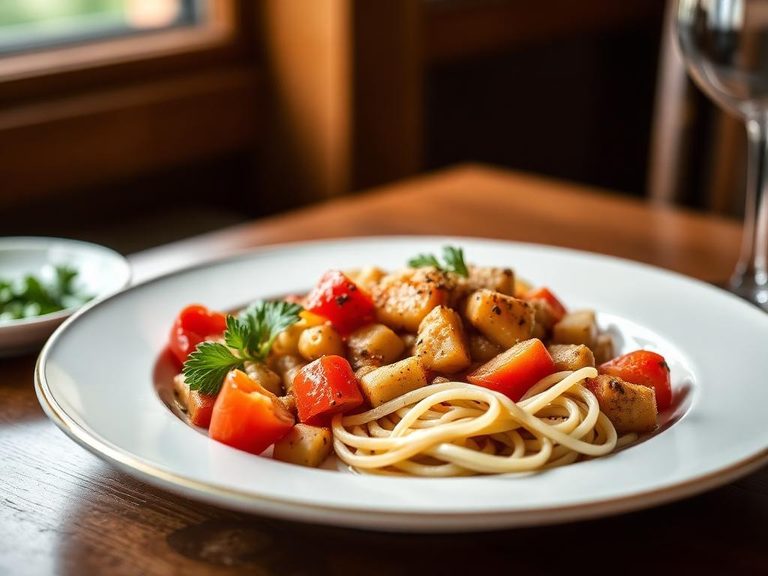
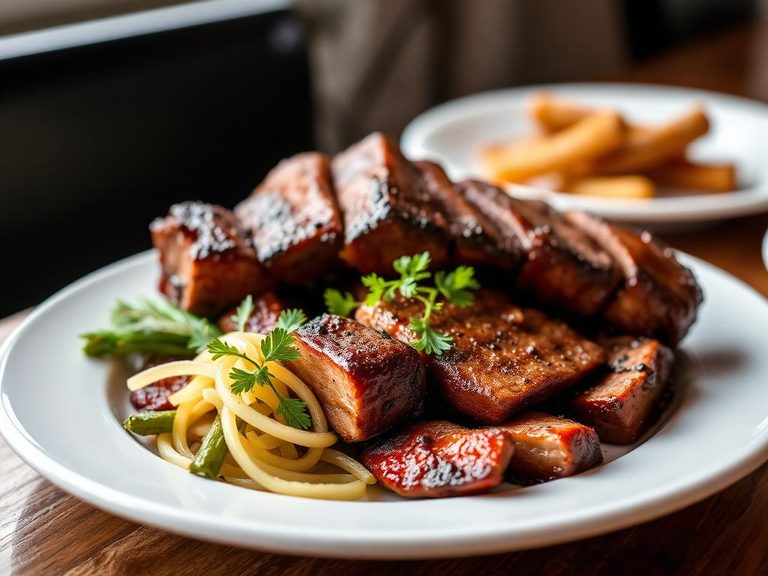
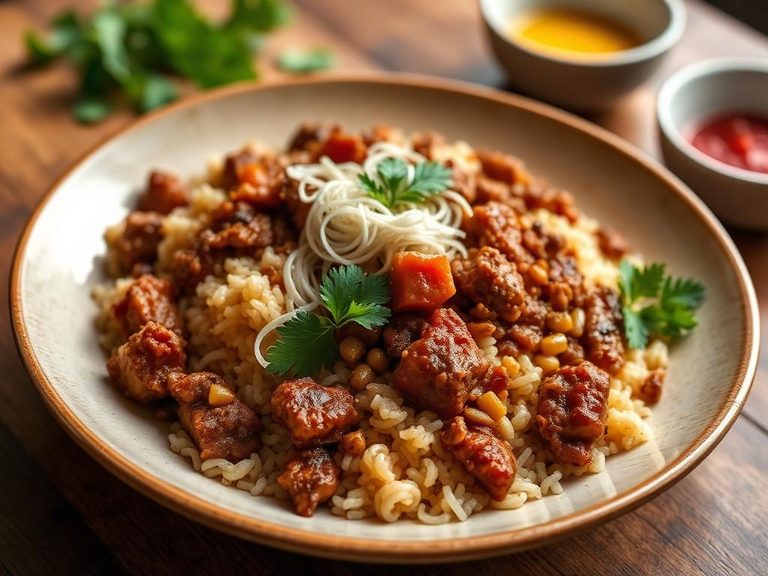
Argentinian Locro is a hearty, traditional stew from the Andean regions of Argentina, particularly popular in the northwest provinces like Salta and Jujuy. It is a thick, comforting dish made primarily with a base of corn (maize) and various beans, slow-cooked with cuts of beef, pork, and sometimes chorizo, and seasoned with a flavorful blend of spices and vegetables like onions and squash.
🍽️ Nutrition at a glance
Locro is a nutrient-dense, high-energy dish that is rich in complex carbohydrates from the corn and beans, and provides a substantial amount of protein from the meats. A typical serving offers a good balance of fiber, iron, and B vitamins, with a calorie count that can range from 400 to 600 kcal depending on the specific recipe and portion size.
Nutrition breakdown
| Calories | 450 kcal |
| Protein | 25 g |
| Carbs | 45 g |
| Fat | 18 g |
| Fiber | 10 g |
| Sugar | 4 g |
| Sodium | 650 mg |
| Iron | 4.5 mg |
| Potassium | 600 mg |
| Vitamin B12 | 2.0 mcg |
| Niacin (B3) | 6.0 mg |
| Phosphorus | 300 mg |
| Magnesium | 80 mg |
| Zinc | 4.0 mg |
| Folate | 120 mcg |
Per 1 cup (240 g) · estimated, varies by recipe
💡 What's interesting
Culturally, Locro is deeply symbolic and is considered a national dish of Argentina, often prepared for patriotic holidays like May 25th (Revolution Day) and served with a spicy sauce called 'quiquirimichi'. Nutritionally, the combination of corn and beans creates a complete protein, making it a historically important and sustaining meal for communities in the Andean highlands.