Animal crackers
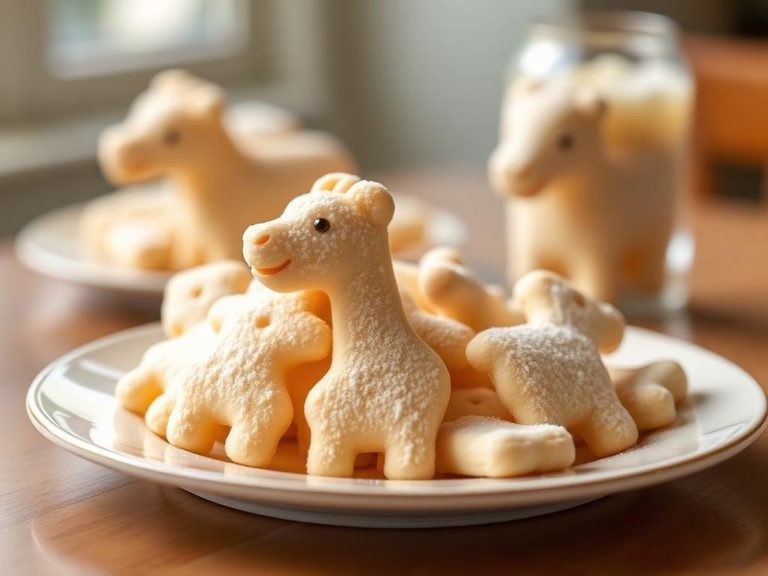
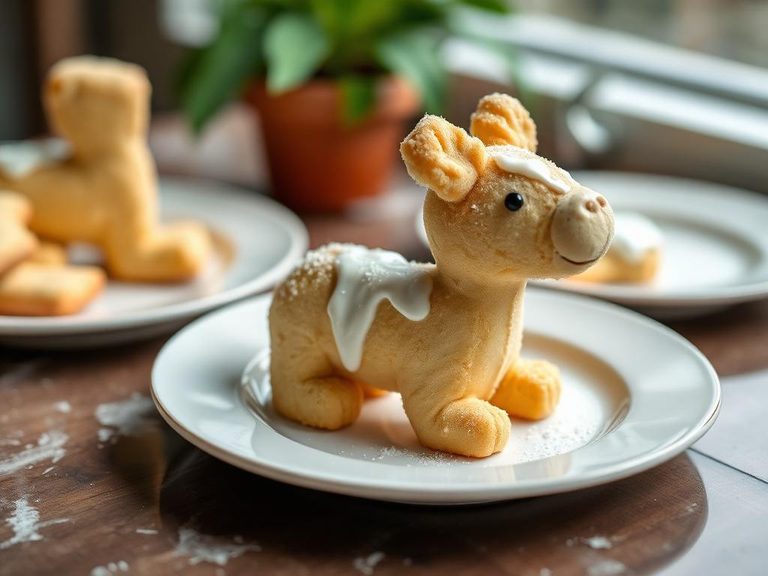
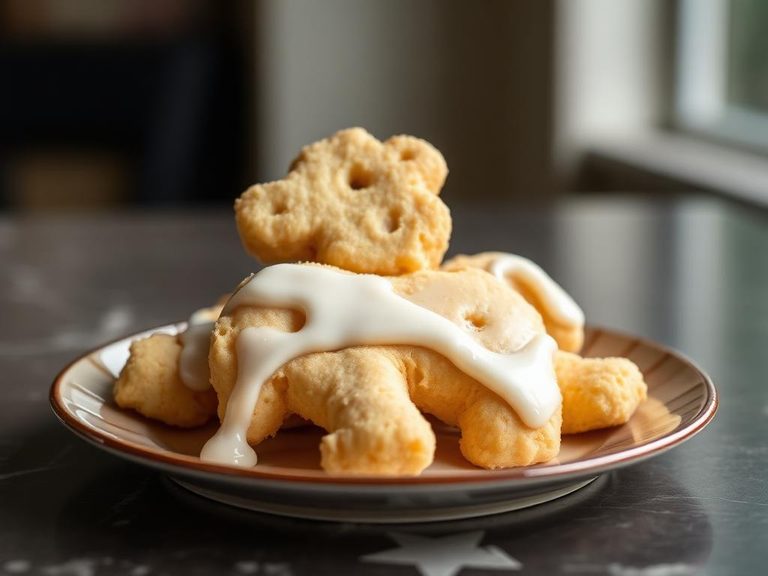
Animal crackers are small, lightly sweetened cookies shaped like various animals, often enjoyed plain or decorated with a simple white icing. Originating from England in the 19th century, they became an iconic snack in the United States, famously sold in small boxes with a string handle.
🍽️ Nutrition at a glance
These crackers are primarily a source of carbohydrates from refined flour and sugar, with minimal protein or fat. A typical serving of about 30 crackers provides roughly 140-160 calories and small amounts of iron and B vitamins from enriched flour.
Nutrition breakdown
| Calories | 120 kcal |
| Protein | 1.5 g |
| Carbs | 22 g |
| Fat | 3 g |
| Fiber | 0.5 g |
| Sugar | 8 g |
| Sodium | 100 mg |
| Iron | 1.5 mg |
| Calcium | 10 mg |
| Potassium | 25 mg |
| Thiamin (B1) | 0.1 mg |
| Niacin (B3) | 1.2 mg |
| Folate | 25 mcg |
| Phosphorus | 20 mg |
| Magnesium | 5 mg |
Per 1 cup (about 30 g) · estimated, varies by recipe
💡 What's interesting
The tradition of packaging them in a box with a string handle began in 1902, making them one of the first snacks marketed directly to children. Nutritionally, they are a classic example of a 'fun food'—designed for enjoyment and cultural nostalgia rather than significant nutritional benefit.