Taro Root Fries

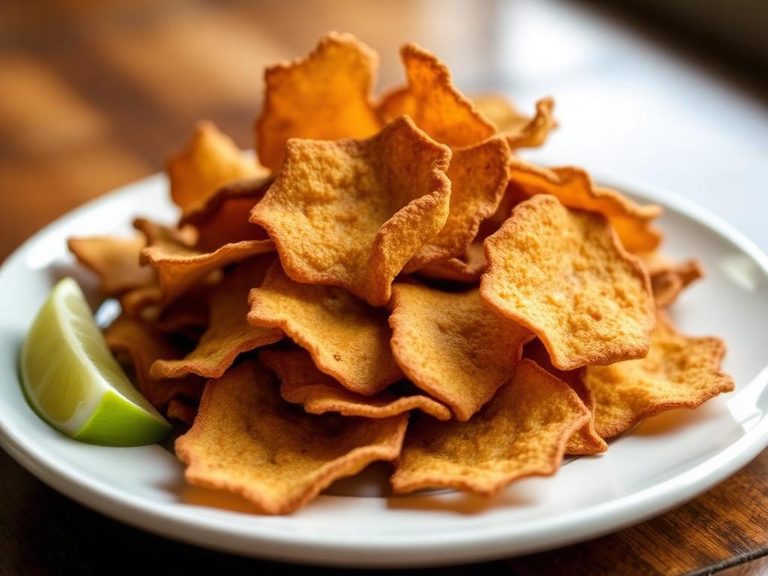
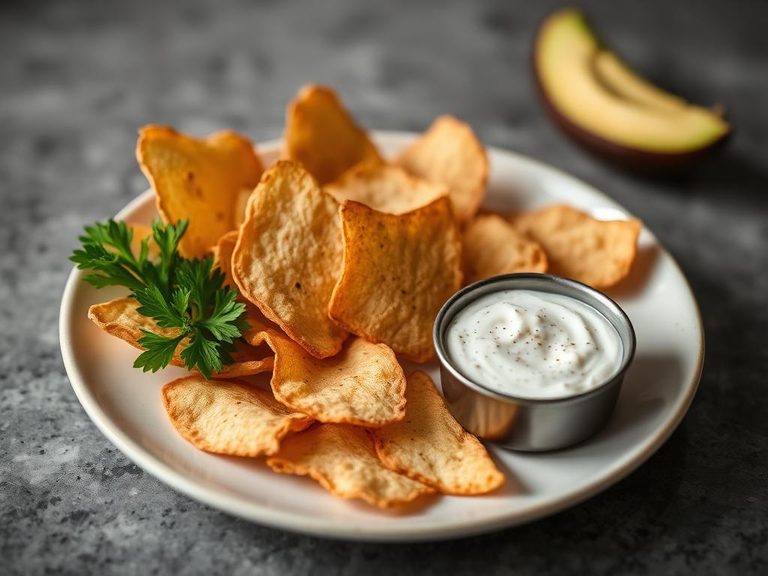
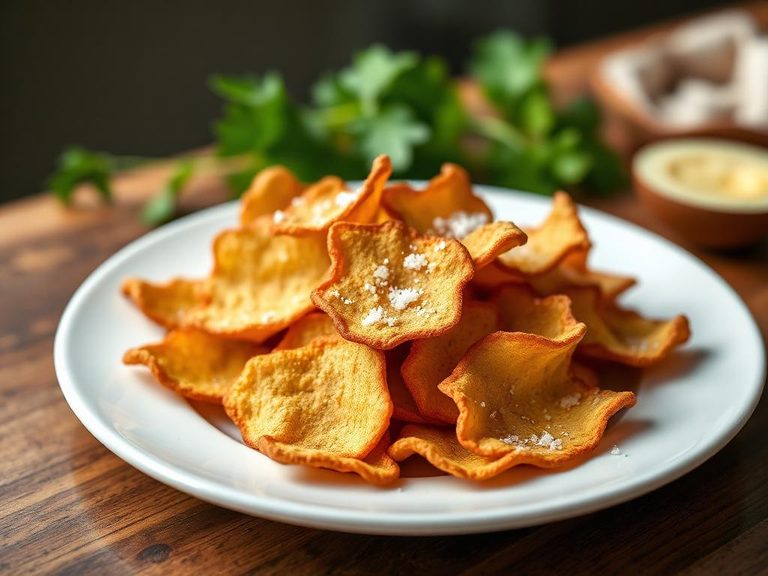
Taro Root Fries are a thicker-cut, starchy alternative to potato fries, made from the corm of the taro plant. They are typically sliced into batons, seasoned, and fried or baked until crispy on the outside and creamy inside. This dish is popular in various tropical and subtropical regions, including Southeast Asia, the Pacific Islands, and parts of Africa and the Caribbean.
🍽️ Nutrition at a glance
Taro root fries are high in complex carbohydrates and dietary fiber, with a moderate amount of vitamins like vitamin E and B vitamins, and minerals such as potassium and manganese. A typical serving of about 100 grams contains roughly 120-150 calories, with minimal protein and fat unless prepared with added oils.
Nutrition breakdown
| Calories | 250 kcal |
| Protein | 2.5 g |
| Carbs | 40 g |
| Fat | 10 g |
| Fiber | 5 g |
| Sugar | 1.5 g |
| Sodium | 300 mg |
| Potassium | 500 mg |
| Vitamin C | 10 mg |
| Vitamin B6 | 0.3 mg |
| Manganese | 0.5 mg |
| Magnesium | 30 mg |
| Phosphorus | 60 mg |
| Iron | 1.0 mg |
| Copper | 0.2 mg |
Per 1 cup (150 g) · estimated, varies by recipe
💡 What's interesting
Culturally, taro is one of the oldest cultivated crops and holds significant importance in many indigenous diets, often symbolizing prosperity and sustenance. Nutritionally, taro contains resistant starch, which can benefit gut health, and its purple or white varieties offer different antioxidant profiles.