

Sulz
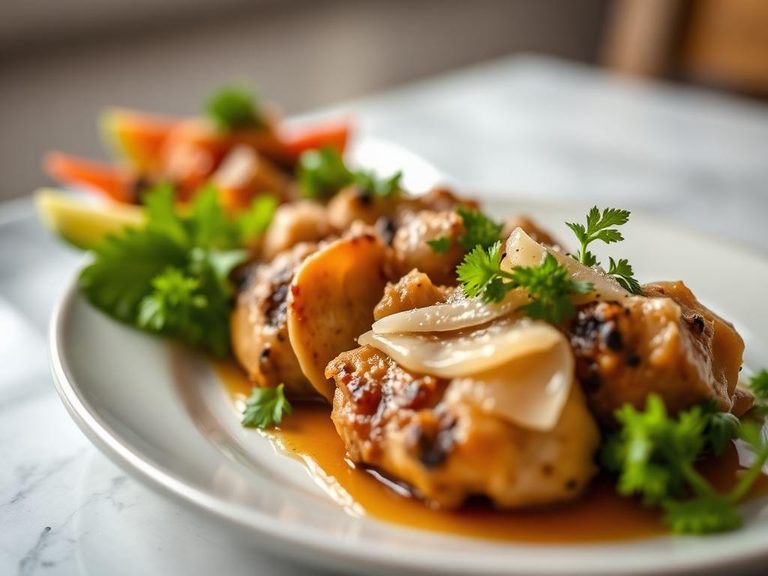
Sulz is a traditional German and Austrian dish, typically made from pickled or marinated pork head, ears, and trotters, set in a savory aspic (meat jelly). It is often served cold as an appetizer or snack, sometimes with bread, mustard, and onions.
🍽️ Nutrition at a glance
Sulz is high in protein and fat, providing collagen and gelatin from the pork parts, with minimal carbohydrates. A typical serving offers a good source of protein and minerals, with a calorie count around 300-400 kcal per 100g, depending on preparation.
Nutrition breakdown
| Calories | 350 kcal |
| Protein | 15 g |
| Carbs | 1 g |
| Fat | 30 g |
| Fiber | 0 g |
| Sugar | 0 g |
| Sodium | 800 mg |
| Collagen | High (from aspic) |
| Gelatin | High (from aspic) |
| Iron | 2 mg |
| Zinc | 3 mg |
| Vitamin B12 | 1.5 µg |
| Phosphorus | 150 mg |
| Selenium | 15 µg |
| Cholesterol | 70 mg |
Per 100g (about 3.5 oz) · estimated, varies by recipe
💡 What's interesting
Culturally, Sulz is a classic example of nose-to-tail eating, utilizing parts of the animal that might otherwise be discarded. Nutritionally, it's rich in collagen, which is often associated with benefits for skin and joint health.
🍽️ Related dishes

AI estimate may be inaccurate · Terms