

Served alongside a fruit platter for dessert

A fruit platter for dessert is a colorful assortment of fresh, sliced seasonal fruits, often arranged artfully on a platter. It typically includes a variety of berries, melons, grapes, and tropical fruits like pineapple or mango. This light, refreshing dessert is popular worldwide, especially in health-conscious cuisines and as a palate cleanser after a rich meal.
🍽️ Nutrition at a glance
This dish is naturally low in fat and protein, with carbohydrates coming primarily from natural fruit sugars. It is an excellent source of dietary fiber, vitamin C, potassium, and various antioxidants, with a typical serving containing around 80-120 calories.
Nutrition breakdown
| Calories | 95 kcal |
| Protein | 1.5 g |
| Carbs | 23 g |
| Fat | 0.5 g |
| Fiber | 3.5 g |
| Sugar | 17 g |
| Sodium | 5 mg |
| Vitamin C | 45 mg |
| Potassium | 320 mg |
| Vitamin A | 120 µg |
| Folate | 35 µg |
| Manganese | 0.3 mg |
| Vitamin K | 15 µg |
| Magnesium | 20 mg |
| Vitamin B6 | 0.1 mg |
Per 1 medium platter (approx. 200 g of mixed fruit) · estimated, varies by recipe
💡 What's interesting
Culturally, fruit platters symbolize hospitality and abundance in many traditions, from Mediterranean feasts to Asian banquets. Nutritionally, the diverse colors indicate a wide spectrum of phytonutrients, making it a powerhouse of vitamins and minerals in a naturally low-calorie package.
🍽️ Related dishes
 Served alongside fruit and nut butter
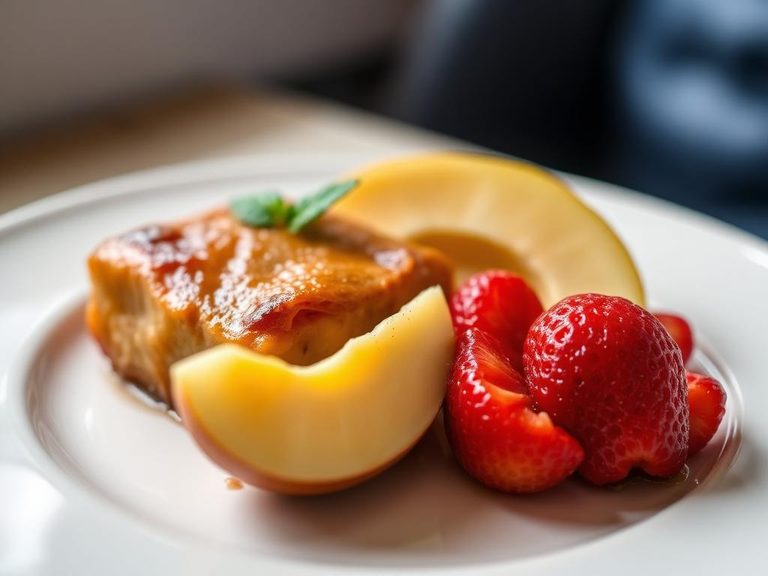 Served alongside a piece of fruit as a balanced snack
 Served alongside soup or chili
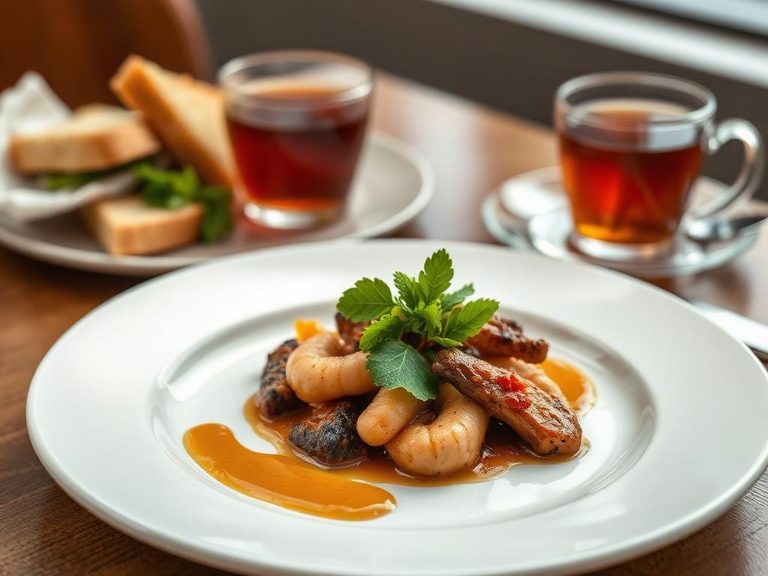 Served alongside pilot bread and tea
 Served alongside Arroz con Gandules
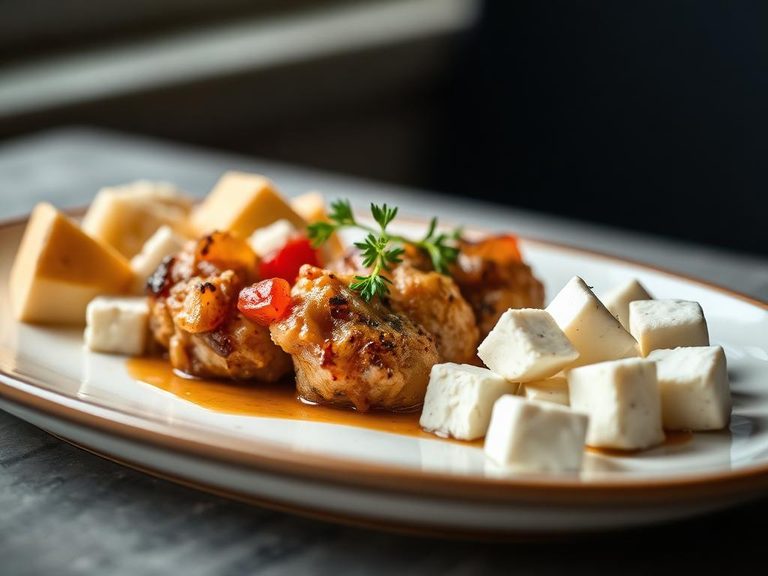 Served alongside soft cheese cubes
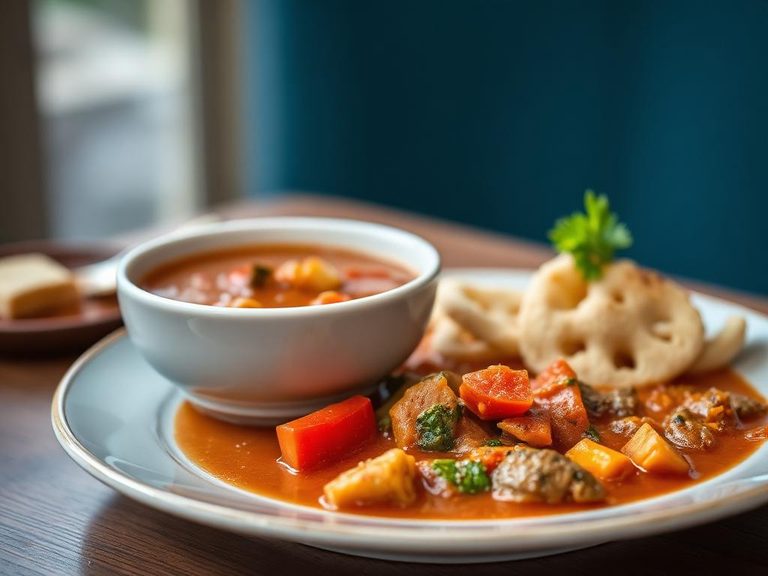 Served alongside a hearty soup or stew
 Served alongside cheese boards and charcuterie
AI estimate may be inaccurate · Terms